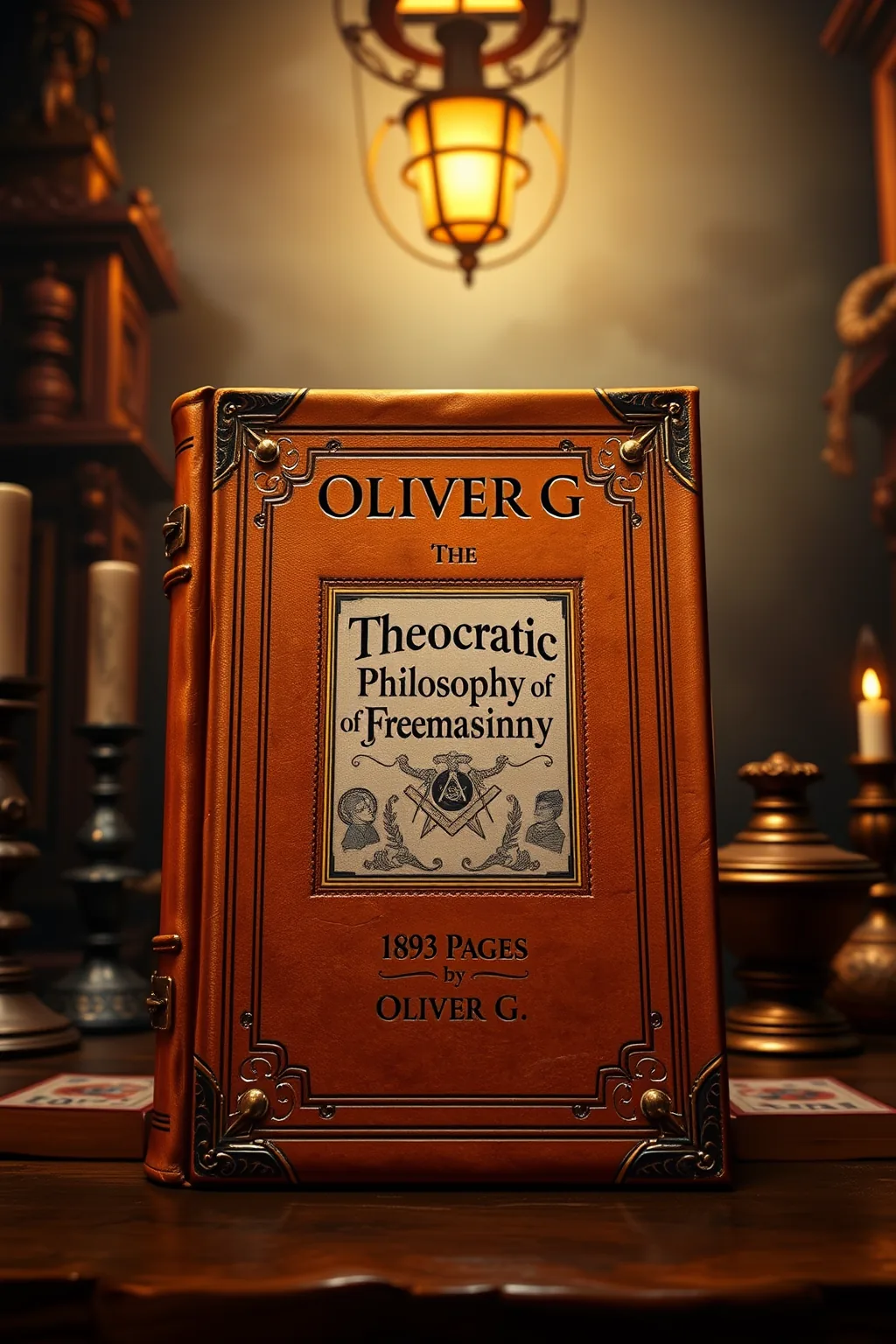
Oliver G The Theocratic Philosophy Of Freemasonry 1856 393 Pages
 81
81

Oliver G The Theocratic Philosophy Of Freemasonry 1856 393 Pages


Oliver G's "The Theocratic Philosophy of Freemasonry" is a treasure trove for modern esoteric seekers. Published in 1856, this book provides a detailed and insightful look into the esoteric and occult foundations of Freemasonry. For those interested in understanding the deeper meanings behind Freemasonry's rituals and symbols, this text is invaluable. The author's thorough research and clear explanations make complex concepts accessible, even to those new to the subject. The book's historical context adds depth, allowing readers to appreciate how Freemasonry has evolved over time. The value of this text lies in its ability to demystify the occult aspects of Freemasonry, making it a essential read for anyone curious about secret societies and their influence on the world.
📝 Description
81
Oliver G's 1856 book examines the theocratic philosophy of Freemasonry.
Published in 1856, 'The Theocratic Philosophy of Freemasonry' by Oliver G is a 393-page work that addresses the esoteric underpinnings of the Masonic fraternity. The text aims to illuminate the philosophical principles and symbolic systems believed to be integral to Freemasonry. It approaches the subject with a tone of serious contemplation, guiding the reader through the historical and spiritual dimensions of Masonic thought.
The book specifically investigates the theocratic ideas that shape the Masonic order. It details the symbolic language and spiritual doctrines that have been passed down through Masonic traditions. This volume is intended for those interested in the philosophical and occult aspects of Freemasonry, offering a detailed look at its structure and teachings.
This work situates itself within the broader current of 19th-century esoteric thought, which often sought to uncover hidden spiritual meanings in established institutions and ancient traditions. Like other writers of the period, Oliver G attempts to connect Masonic practices to a divine or theocratic order, suggesting a cosmic blueprint guiding human affairs. This approach aligns with movements interested in Hermeticism, Kabbalah, and other systems that posit a correspondence between the macrocosm and the microcosm, viewing Masonic rituals as keys to understanding universal laws.
💡 Why Read This Book?
Reading "The Theocratic Philosophy of Freemasonry" today offers a unique opportunity to understand the esoteric principles that have shaped Freemasonry and, by extension, modern society. This book provides a window into the mystical and philosophical foundations of one of the world's most enigmatic secret societies. By exploring its pages, readers will gain a deeper appreciation for the occult practices and beliefs that continue to influence Freemasonry today. Whether you are a seasoned esoteric seeker or a curious newcomer, this text offers valuable insights and a rich historical context that enriches your understanding of the occult.
⭐ Reader Reviews
Honest opinions from readers who have explored this book.
❓ Frequently Asked Questions
What is the main focus of "The Theocratic Philosophy of Freemasonry"?
The main focus of this book is the esoteric and occult principles that underpin Freemasonry, including its mystical origins, symbolic rituals, and philosophical underpinnings.
Is this book suitable for beginners in esoteric studies?
Yes, while the book delves deep into complex topics, Oliver G's clear explanations make it accessible for both beginners and experienced esoteric seekers.
What historical context does the book provide?
The book was published in 1856, a time when Freemasonry was highly influential and controversial. It offers insights into how Freemasonry has evolved and its impact on historical events.
🔮 Key Themes & Symbolism
Theocratic Principles
The book examines the theocratic principles that govern Freemasonry, offering a deep understanding of its philosophical foundations and spiritual teachings. This theme explores the symbolic language and rituals that form the backbone of Freemasonic order, providing insights into the mystical and esoteric dimensions of this ancient tradition.
Mystical Symbolism
One of the central themes of this work is the mystical symbolism embedded within Freemasonry. The author unveils the hidden meanings behind the symbols and rituals, inviting readers into a world of ancient wisdom and spiritual enlightenment. This theme is crucial for those seeking to understand the esoteric underpinnings of Freemasonry.
Hidden Knowledge
The book explores the hidden knowledge that has been passed down through generations of Freemasons. This theme examines the esoteric teachings and spiritual insights that have captivated initiates for centuries, offering a comprehensive understanding of the mystical and philosophical dimensions of Freemasonry.
💡 Key Ideas
Editorial paraphrase of the work's core concepts — not direct quotes.
The true Mason is a seeker of hidden knowledge and spiritual enlightenment.
This quote underscores the mystical journey that Freemasonry offers to its initiates, emphasizing the search for esoteric truths.
Symbolism is the language of the soul, revealing truths that words cannot express.
This passage highlights the importance of symbolic language in Freemasonry, where rituals and symbols convey deep spiritual insights.
The theocratic principles of Freemasonry guide the initiate towards a higher understanding of the divine.
This quote emphasizes the spiritual and philosophical significance of Freemasonry's theocratic foundations, aiming for divine connection.
In the mysteries of Freemasonry, ancient wisdom and modern seekers converge.
This line illustrates the timeless appeal of Freemasonry, where ancient rituals and modern spiritual seekers find common ground.
The true Mason is a guardian of sacred knowledge, preserving it for future generations.
This passage underscores the responsibility of Freemasons to safeguard and pass on the esoteric teachings of their order.
🌙 Esoteric Significance
Tradition
This book belongs to the Hermetic tradition, which emphasizes the search for hidden knowledge and spiritual enlightenment. It draws on ancient mystical philosophies and esoteric teachings to illuminate the theocratic principles of Freemasonry, making it a valuable resource for those interested in Hermetic studies.
Symbolism
Key symbols in this work include the compass and square, the all-seeing eye, and various ritualistic gestures. These symbols are rich in mystical meaning, representing the spiritual journey and the quest for divine understanding that are central to Freemasonry.
Modern Relevance
Today, this book remains relevant for modern practitioners of the occult and spiritual seekers. Its exploration of Freemasonry's esoteric teachings and symbolic language provides valuable insights for those interested in Hermetic studies and the mystical dimensions of Freemasonry. Many contemporary scholars and practitioners reference this work for its comprehensive and enlightening perspective.
👥 Who Should Read This Book
Beginners may find this book challenging due to its esoteric content, but it is an invaluable resource for those willing to explore the mysteries of Freemasonry. Scholars of the occult will appreciate the depth of historical and philosophical insights it offers, while spiritual seekers will find inspiration in its exploration of mystical symbolism and hidden knowledge. Practitioners of esoteric arts will benefit from its comprehensive understanding of Freemasonry's theocratic principles and symbolic language, making it a must-read for anyone interested in the philosophical and mystical dimensions of this ancient tradition.
📜 Historical Context
Published in 1856, 'The Theocratic Philosophy of Freemasonry' reflects the intellectual and spiritual climate of the mid-19th century. This era saw a renewed interest in esoteric traditions and mystical philosophies, with Freemasonry playing a significant role in the dissemination of hidden knowledge. The book's exploration of theocratic principles and mystical symbolism was particularly important during a time when many sought to understand the deeper meanings behind religious and spiritual practices. Its influence can be seen in the continued study and practice of Freemasonry, as well as in the broader field of occult studies.
📔 Journal Prompts
Reflect on the theocratic principles discussed in the book and how they might apply to your own spiritual journey.
Consider the symbolic language of Freemasonry and how it reveals deeper truths about the divine.
Explore the idea of hidden knowledge and its significance in the search for spiritual enlightenment.
Examine the role of rituals and symbols in Freemasonry and their impact on the initiate's understanding of the mystical.
Ponder the timeless appeal of Freemasonry and its relevance to modern spiritual seekers.
🗂️ Glossary
Theocratic Principles
The governing principles of Freemasonry that emphasize divine guidance and spiritual enlightenment.
Mystical Symbolism
The use of symbols and rituals to convey deep spiritual insights and hidden knowledge.
Hidden Knowledge
Esoteric teachings and spiritual insights passed down through generations of Freemasons.
Hermetic Tradition
A mystical philosophy that emphasizes the search for hidden knowledge and spiritual enlightenment.
All-Seeing Eye
A key symbol in Freemasonry representing divine providence and the quest for spiritual understanding.
This book appears in 2 collections
🔮 Readers Also Liked
Browse all →





From the “Secret Societies” Collection
View all →





More Free Freemasonry & Secret Societies Books
View all →