The Mystical Year
 79
79

The Mystical Year
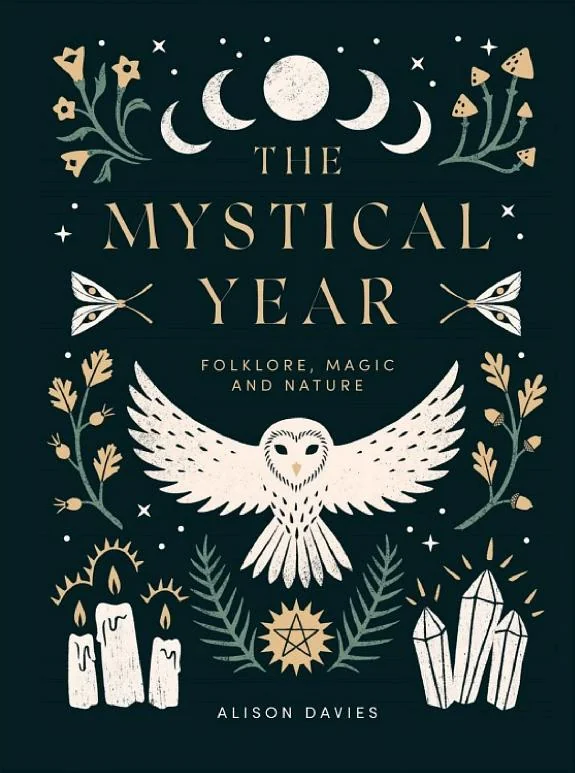
Alison Davies's "The Mystical Year" endeavors to provide a practical framework for engaging with the annual cycle through a magical perspective. Its strength lies in its clear, accessible presentation of complex ideas, making it a useful primer for those new to seasonal spirituality. The inclusion of monthly projects and folklore is a commendable effort to ground abstract concepts in tangible activities. However, the work occasionally leans towards a generalized approach, sometimes lacking the depth that more seasoned practitioners might seek. A notable section details the creation of herb garlands for warding spirits during the darker months, a concrete example of the book's practical intent. While generally well-executed, the book's ambition to be "accessible for everyone" sometimes results in a somewhat superficial treatment of deeper esoteric traditions. It serves as a competent introduction, but perhaps not a definitive statement on the subject.
📝 Description
79
Alison Davies's 2020 book, The Mystical Year, connects seasonal magic to folklore and spiritual practice.
The Mystical Year by Alison Davies provides a month-by-month guide to the annual cycle through an esoteric viewpoint. It links natural events, folklore, and spiritual activities. Davies aims to make modern mysticism understandable, combining theory with practical exercises. The book is for people who want a structured way to connect with the year's cycles spiritually. It appeals to practitioners who want to use esoteric wisdom daily, and to those curious about seasonal celebrations and their magical roots. It is suitable for newcomers and those with some prior knowledge.
Davies focuses on the idea of a 'modern mystical year.' This view sees seasonal shifts not just as astronomical occurrences but as important times for spiritual work. The text discusses specific deities, such as Flora, the Roman goddess of flowers. It also covers rituals and correspondences for different times of the year, like protection against spirits during winter nights. The book emphasizes practical projects and omens, incorporating elements like crystals, birds, and folklore.
This book is part of a recent surge in interest in seasonal magic and folk traditions. It follows earlier Neopagan and witchcraft writings that focused on the Wheel of the Year concept. Davies engages with established ideas about seasonal markers like solstices and equinoxes, adapting them for contemporary readers. The book's accessible style reflects a wider effort to make esoteric practices less mysterious.
💡 Why Read This Book?
• Learn practical methods for celebrating seasonal shifts, such as specific techniques for creating herb garlands for spiritual protection during the darker months, as detailed in the book's autumn sections. • Gain an understanding of the cyclical nature of a modern mystical year, exploring month-by-month correspondences and folklore that go beyond simple astronomical observations. • Discover specific deities and symbols relevant to seasonal magic, like the Roman goddess Flora, and understand their roles in contemporary esoteric practice.
⭐ Reader Reviews
Honest opinions from readers who have explored this book.
❓ Frequently Asked Questions
What is the core philosophy behind 'The Mystical Year'?
The book's core philosophy is to reconnect individuals with the natural cycles of the year through a modern mystical framework, emphasizing practical magic and spiritual growth tied to seasonal changes.
Does 'The Mystical Year' require prior knowledge of esoteric practices?
No, the book is designed to be accessible to beginners. It introduces concepts gradually and offers practical projects that can be undertaken without extensive prior experience in occult philosophy.
What kind of practical projects are included in the book?
Projects range from creating protective herb garlands for the autumn and winter months to understanding the symbolism of specific crystals and birds relevant to each season.
How does the book approach the concept of deities and spirits?
It incorporates various spiritual figures, such as Flora, the Roman goddess of flowers, and discusses how to engage with spirits and ward off negative energies, particularly during the longer nights.
Is 'The Mystical Year' focused on a specific tradition?
While drawing on various esoteric and folk traditions, it aims to synthesize them into a cohesive 'modern mystical year,' making it broadly applicable rather than strictly adhering to a single lineage.
When was 'The Mystical Year' first published?
The book was first published on October 1, 2020, by Alison Davies.
🔮 Key Themes & Symbolism
Seasonal Magic
The book centers on the energetic shifts of the year, framing each month as an opportunity for magical practice and spiritual introspection. It details correspondences for spring, summer, autumn, and winter, linking them to specific deities, folklore, and natural phenomena. For example, it highlights Flora, the Roman goddess of flowers, in relation to spring's renewal and discusses practices for Litha (summer solstice) focused on balance.
Practical Esotericism
A significant focus is placed on actionable advice and projects that allow readers to integrate esoteric principles into their lives. This includes creating physical items like herb garlands for spiritual protection, understanding the symbolism of specific animals and crystals associated with each season, and incorporating omens and sayings into daily awareness.
Folklore and Mythology
Davies ties together elements of folklore, superstitions, and mythology to enrich the understanding of the annual cycle. The book references sayings and beliefs tied to specific times of the year, demonstrating how ancient wisdom can inform modern spiritual practice and provide context for seasonal celebrations.
The Modern Mystic
The work is explicitly positioned for the contemporary practitioner, aiming to explain esoteric concepts and present them in an accessible manner. It addresses the desire for a spiritual connection to natural rhythms within the context of modern life, offering a framework that is adaptable and relevant.
💬 Memorable Quotes
Direct passages from the work, attributed to the author.
“As the nights get longer, create beautiful garlands of herbs to ward off evil spirits.”
— This highlights the practical, protective aspect of seasonal magic presented in the book, offering a concrete activity for the autumn and winter months focused on spiritual defense.
“With superstitions and sayings, crystals, birds and beasts, this is a book for the modern mystic that is accessible for everyone.”
— This statement defines the book's broad appeal and inclusive nature, emphasizing its use of diverse elements like folklore and natural symbolism to make esoteric practices understandable to a wide audience.
“Based on spirituality in nature.”
— This serves as a foundational principle for the entire work, indicating that its approach to mysticism is deeply rooted in observing and harmonizing with the natural world's rhythms and energies.
💡 Key Ideas
Editorial paraphrase of the work's core concepts — not direct quotes.
Celebrate spring and summer as a time of renewal with Flora the Roman Goddess of flowers and learn about balance in Litha.
This passage captures the book's approach to seasonal magic, linking specific times of the year (spring, summer) and festivals (Litha) with relevant deities (Flora) and core themes (renewal, balance).
Explore the magic of each month, with mystical tips and practical projects, and examine the annual cycle of a modern mystical year.
This quote summarizes the book's structure and intent: a comprehensive, month-by-month guide that combines theoretical understanding with hands-on application for contemporary spiritual seekers.
🌙 Esoteric Significance
Tradition
The work draws primarily from modern Pagan and witchcraft traditions, particularly those that emphasize the cyclical nature of the year, often referred to as the Wheel of the Year. It synthesizes elements of folk magic, nature spirituality, and goddess worship. While not strictly adhering to a single lineage like Hermeticism or Kabbalah, it aligns with the broader Western Esoteric Tradition's interest in cyclical time, correspondences, and practical ritual.
Symbolism
Key symbols include Flora, the Roman goddess of flowers, representing spring's fertility and renewal. The creation of herb garlands serves as a potent symbol of protection and harnessing natural energies, particularly relevant during the darker months. The book also utilizes the symbolism of various animals and crystals, assigning them meanings and correspondences tied to specific seasons and months within the annual cycle.
Modern Relevance
Davies's approach is highly relevant to contemporary spiritual seekers interested in nature-based practices and seasonal living. It appeals to modern ecopsychology and mindfulness movements that advocate for a deeper connection to the natural world. Thinkers and practitioners in modern Wicca, eclectic Paganism, and those exploring holistic wellness often draw upon similar frameworks for understanding personal and collective rhythms throughout the year.
👥 Who Should Read This Book
• Aspiring practitioners of modern witchcraft and Paganism seeking a structured, month-by-month guide to seasonal magic and ritual. • Individuals interested in folklore and mythology who wish to understand the esoteric significance behind traditional sayings and superstitions tied to the calendar. • Those seeking to deepen their connection to nature and the cycles of the earth, looking for practical ways to incorporate spiritual awareness into their daily lives throughout the year.
📜 Historical Context
Published in 2020, "The Mystical Year" entered a cultural landscape marked by a resurgence of interest in esoteric practices, particularly within Neopagan and witchcraft communities. This period saw a proliferation of books aiming to explain magical traditions and make them accessible to a broader audience. The work builds upon earlier foundations laid by figures like Gerald Gardner and Doreen Valiente in the mid-20th century, who helped codify many modern witchcraft practices, including the Wheel of the Year. Davies's book can be seen as part of a contemporary trend that seeks to integrate these traditions with modern life, moving beyond the more historically specific contexts of earlier scholarship. Unlike some academic approaches that might focus solely on historical lineage, Davies's work emphasizes practical application for the 'modern mystic.' It offers a contemporary interpretation of seasonal cycles that appeals to practices found in modern Wicca and other nature-based spiritualities, distinguishing itself from more traditional esoteric systems like Theosophy or Hermeticism by its direct focus on calendrical and natural cycles.
📔 Journal Prompts
Reflection on the significance of Flora, the Roman goddess of flowers, during the spring season.
Consider the practice of creating herb garlands for warding spirits during the longer nights.
Analyze the balance sought during Litha and its personal meaning.
Explore the omens and sayings presented for the current month.
Document personal experiences with the 'modern mystical year' framework.
🗂️ Glossary
Litha
The Summer Solstice, one of the eight major festivals in the Wheel of the Year, celebrated around June 21st in the Northern Hemisphere, marking the longest day and shortest night.
Flora
The Roman goddess of flowers, plants, fertility, and spring. Her festival, the Floralia, was celebrated in ancient Rome.
Warding
A magical practice aimed at protecting a space, person, or object from unwanted energies or entities, often involving specific rituals, herbs, or symbols.
Omens
Events or signs perceived as having supernatural significance, often interpreted as predictions or warnings about future occurrences.
Correspondences
In esoteric traditions, the symbolic relationships between different elements, such as planets, herbs, colors, and deities, used in magical workings.
Wheel of the Year
A cyclical calendar used in many modern Pagan traditions, marking the eight seasonal festivals (solstices, equinoxes, and cross-quarter days) that represent the annual cycle of life, death, and rebirth.
Modern Mystic
An individual who practices or engages with esoteric or spiritual traditions in a contemporary context, often adapting ancient principles to modern life.
This book appears in 1 collection
🔮 Readers Also Liked
Browse all →







From the “Folklore Magic” Collection
View all →





More Free Magic & Ritual Books
View all →