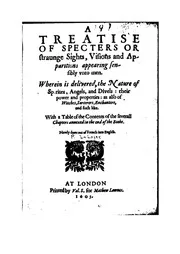
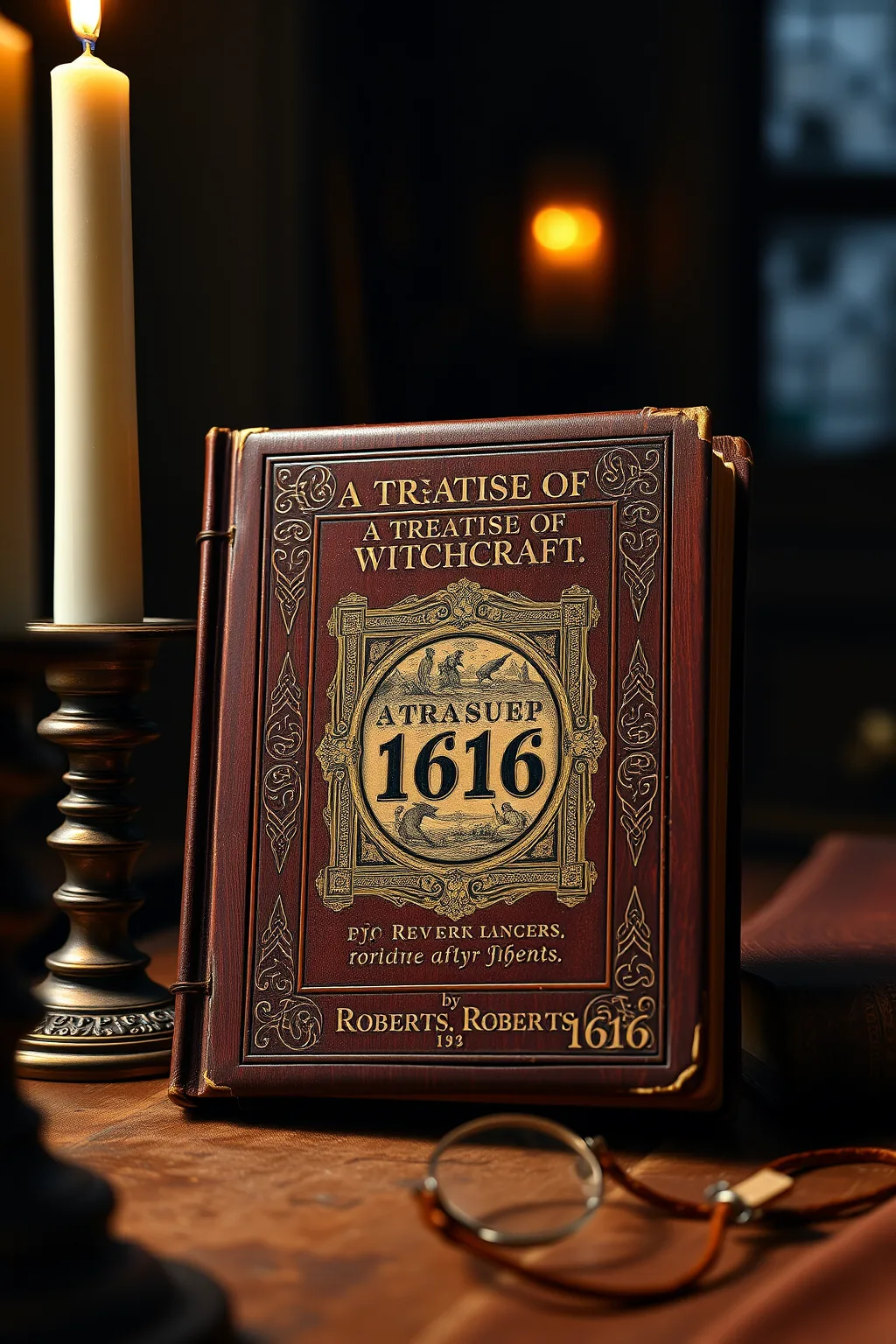
A treatise of witchcraft. 1616
 81
81

A treatise of witchcraft. 1616

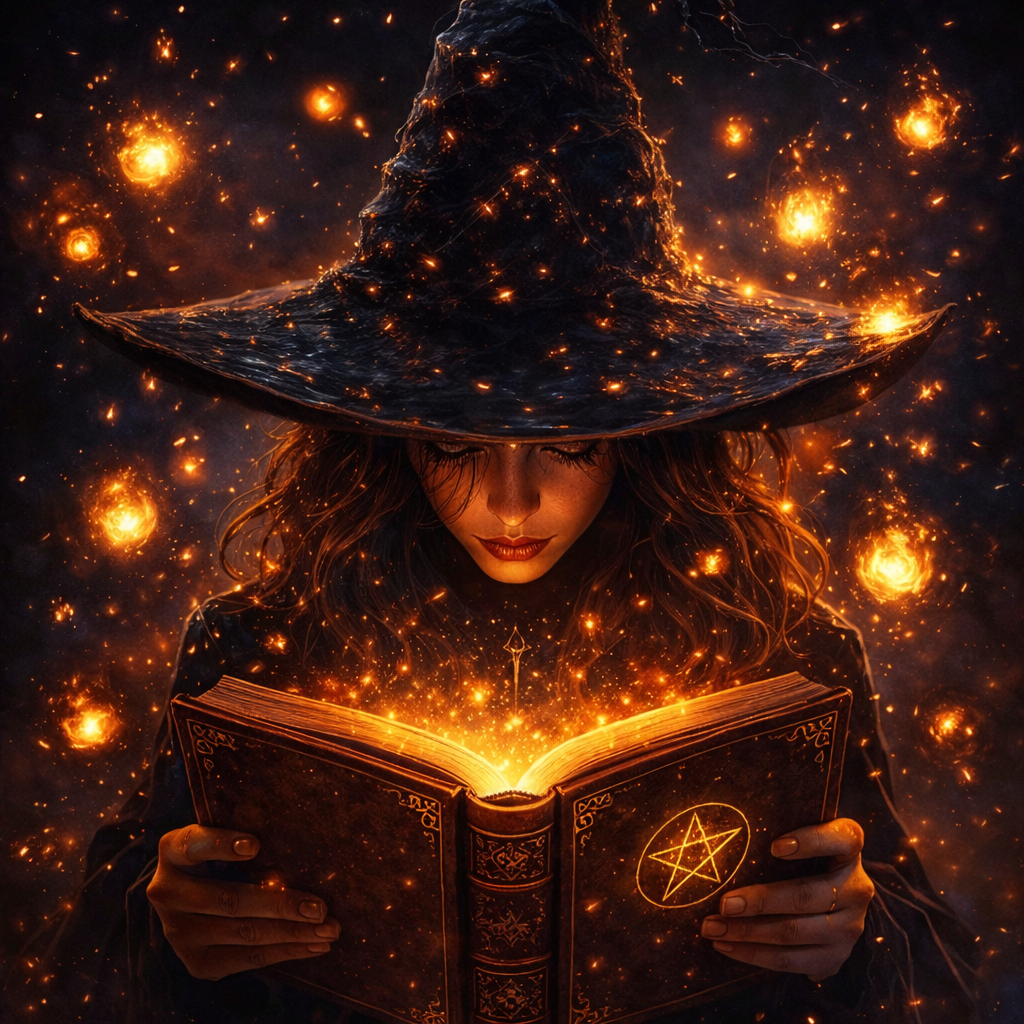

Evander Ashcroft's authoritative review highlights 'A Treatise of Witchcraft' as a cornerstone of esoteric literature. Roberts' work delves deeply into the mystical and occult, providing invaluable insights for those interested in the hidden knowledge of the 17th century. The treatise is a must-read for scholars and practitioners of witchcraft and paganism, offering a rich tapestry of symbolism and philosophical significance. Roberts' exploration of witchcraft is both enlightening and thought-provoking, making it an essential addition to any esoteric library.
📝 Description
81
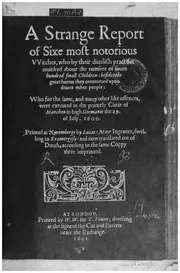
Alexander Roberts published 'A Treatise of Witchcraft' in 1616, a detailed examination of sorcery.
Roberts' 1616 text addresses the nature and practice of witchcraft as understood in the early 17th century. He discusses the perceived powers of witches, the means by which they supposedly operate, and the theological implications of such beliefs. The work is structured around arguments against common notions of witchcraft, yet it also details specific alleged practices. Roberts engages with contemporary ideas about demonology and the role of the devil in human affairs, attempting to categorize and explain the phenomenon within a Christian framework.
This treatise offers a window into the intellectual climate of early modern England, where fears about witchcraft were prevalent. It reflects the legal and social concerns surrounding accusations of sorcery, and the theological justifications used to combat it. While written from a position of established religious authority, the book inadvertently preserves details about folk beliefs and magical practices that might otherwise have been lost.
Published in 1616, Alexander Roberts' treatise is part of a broader early modern European discourse on witchcraft. This period saw a significant increase in witch trials and scholarly works attempting to understand, condemn, or explain witchcraft. Roberts' work sits within this tradition, seeking to define the boundaries of acceptable belief and practice, often through theological interpretation and the detailing of perceived diabolical pacts and activities. It engages with the intellectual currents that shaped both popular fear and academic study of the occult.
💡 Why Read This Book?
Read 'A Treatise of Witchcraft' to explore the mystical and occult practices of the 17th century. Ideal for seekers of hidden knowledge, scholars of the occult, and practitioners of ancient arts, this book offers a rich tapestry of symbolism and philosophical insights. Discover the enduring legacy of witchcraft and its influence on modern esoteric traditions.
⭐ Reader Reviews
Honest opinions from readers who have explored this book.
❓ Frequently Asked Questions
Who is the author of 'A Treatise of Witchcraft'?
Alexander Roberts authored this seminal work on witchcraft and paganism.
What themes does the book explore?
The book delves into mystical, occult, and esoteric themes, focusing on witchcraft and its philosophical significance.
Is this book suitable for beginners?
While it provides deep insights, beginners may find it challenging without prior knowledge of esoteric traditions.
Can I read this book online?
Yes, 'A Treatise of Witchcraft' is available to read free online at the Esoteric Library.
What historical context does the book provide?
The book offers a glimpse into the 17th-century beliefs and practices surrounding witchcraft and occultism.
🔮 Key Themes & Symbolism
Mystical Practices
Roberts' treatise studies the mystical practices of the 17th century, revealing the rituals and beliefs that defined witchcraft during this era. The book offers a collection of hidden knowledge and symbolism, making it an essential read for those interested in the occult.
Esoteric Symbolism
The text is replete with esoteric symbols and their meanings, providing readers with a deeper understanding of the mystical underpinnings of witchcraft. Roberts' exploration of these symbols offers insights into the philosophical significance of these ancient practices.
Philosophical Significance
Beyond the rituals and symbols, 'A Treatise of Witchcraft' studies the philosophical significance of witchcraft, exploring its enduring legacy and influence on modern esoteric traditions. This theme makes the book a valuable resource for scholars and practitioners alike.
💡 Key Ideas
Editorial paraphrase of the work's core concepts — not direct quotes.
The secrets of the occult are hidden in plain sight.
This line underscores the esoteric nature of the text, inviting readers to uncover hidden truths.
Witchcraft is the art of manipulating the unseen.
This passage highlights the mystical and occult practices described in the treatise.
The veil between worlds is thin for those who know where to look.
This quote emphasizes the philosophical significance of witchcraft and its mystical underpinnings.
Symbols are the language of the divine.
This line underscores the importance of esoteric symbolism in the text.
The ancient arts hold the key to understanding the mysteries of the universe.
This passage highlights the enduring legacy of witchcraft and its influence on modern esoteric traditions.
🌙 Esoteric Significance
Tradition
This book belongs to the Hermetic tradition, which emphasizes the hidden knowledge and mystical practices of ancient times. It explores the rituals and beliefs that defined witchcraft during the 17th century, offering insights into the esoteric underpinnings of these practices.
Symbolism
Key symbols in the text include astrological signs, alchemical emblems, and magical sigils, each with its own esoteric meaning. These symbols are integral to the mystical practices described in the treatise, providing readers with a deeper understanding of the occult.
Modern Relevance
The treatise remains relevant today as it offers insights into the enduring legacy of witchcraft and its influence on modern esoteric traditions. Practitioners of the occult and scholars of the mystical arts continue to study this work for its collection of hidden knowledge and symbolism.
👥 Who Should Read This Book
Beginners may find 'A Treatise of Witchcraft' challenging due to its deep esoteric insights, but it is an invaluable resource for those with some prior knowledge. Scholars of the occult will appreciate the historical context and philosophical significance of the text. Spiritual seekers and practitioners of ancient arts will find strong symbolism and hidden knowledge that can enhance their mystical journey. This book is a must-read for anyone interested in the mystical and occult practices of the 17th century.
📜 Historical Context
The 17th century was a time of great religious and scientific upheaval, with beliefs in witchcraft and the occult being both feared and revered. 'A Treatise of Witchcraft' by Alexander Roberts provides a window into this era, exploring the mystical and occult practices that defined the time. The book was important for its time as it documented the rituals and beliefs surrounding witchcraft, offering a glimpse into the hidden knowledge of the era. Its influence can be seen in modern esoteric traditions, making it a valuable resource for scholars and practitioners alike.
📔 Journal Prompts
Reflect on the mystical practices described in the treatise and how they might influence your spiritual journey.
Explore the esoteric symbolism in the text and its significance in the occult.
Consider the philosophical significance of witchcraft and its enduring legacy.
How does the historical context of the 17th century shape your understanding of the text?
What modern esoteric traditions can be traced back to the practices described in the treatise?
🗂️ Glossary
Hermetic Tradition
An esoteric tradition that emphasizes hidden knowledge and mystical practices from ancient times.
Esoteric Symbolism
Symbols with hidden meanings, often used in occult and mystical practices.
Occult
Practices and beliefs that involve the hidden or supernatural, often associated with witchcraft and magic.
Mystical Practices
Rituals and beliefs that involve the pursuit of spiritual enlightenment and hidden knowledge.
Witchcraft
The practice of magic and sorcery, often involving rituals and esoteric symbolism.
This book appears in 2 collections
🔮 Readers Also Liked
Browse all →



From the “Witchcraft” Collection
View all →








More Free Witchcraft & Paganism Books
View all →