A Secret History of Memphis Hoodoo
 78
78

A Secret History of Memphis Hoodoo
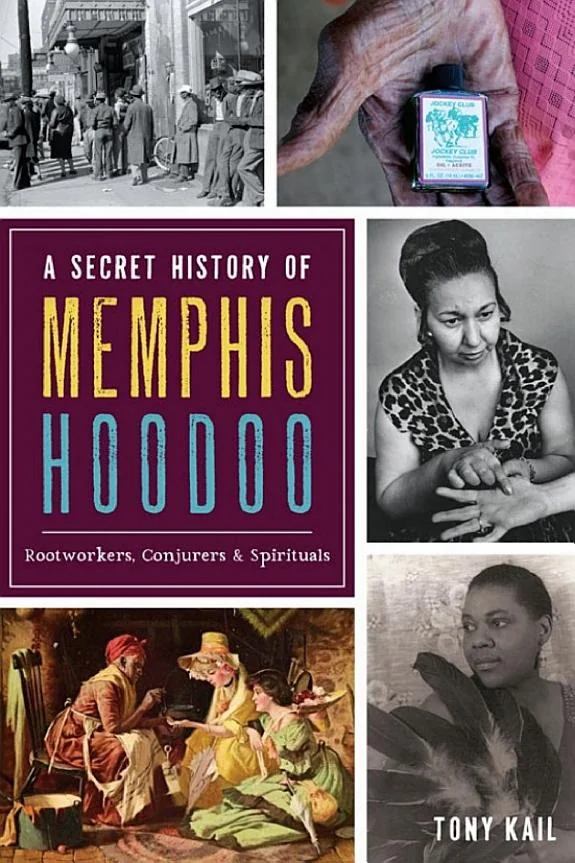
Tony Kail’s *A Secret History of Memphis Hoodoo* offers a compelling look at a spiritual tradition often shrouded in myth. Rather than focusing on sensationalism, Kail grounds his narrative in the specific geography and history of Memphis, tracing Hoodoo’s roots from plantation life to the electric atmosphere of Beale Street. The book’s strength lies in its meticulous research, connecting the spiritual practices to the lives of actual conjurers and healers, and importantly, to the blues musicians who were part of this living tradition. I found the discussion of how blues artists like Sonny Boy Williamson incorporated Hoodoo elements particularly illuminating. A minor limitation is that the book could benefit from more explicit engagement with scholarly debates surrounding the origins and syncretism of African diaspora religions, though its primary focus is clearly on historical documentation and cultural context. The inclusion of specific rituals and the social history behind them makes for a vivid picture.
Kail presents a valuable historical document for anyone seeking to understand the tangible manifestations of Hoodoo in American cultural history.
📝 Description
78
Tony Kail's 2019 book details the history of Hoodoo in Memphis, Tennessee.
A Secret History of Memphis Hoodoo by Tony Kail traces the development of this spiritual tradition within Memphis, Tennessee. The book follows the lineage of conjurers and rootworkers from the era of African enslavement on local plantations to the height of blues music on Beale Street. It examines how African spiritual practices adapted and transformed within the city's distinct cultural and historical setting.
The narrative covers the period from the 19th century, when enslaved Africans brought their spiritual traditions to the Mississippi Delta, through the mid-20th century. Memphis, a key hub for migration and culture, fostered the growth of Hoodoo. The book points to the role of blues musicians like Big Memphis Ma Rainey and Sonny Boy Williamson, who were known to engage with these practices, integrating them into the city's sonic and spiritual identity. During this time, Hoodoo evolved from plantation customs into an urban folk religion.
Kail's research uncovers specific Hoodoo practices, beliefs, and the individuals who maintained them. The work discusses sympathetic magic, the use of natural elements for healing and protection, and the spiritual meaning of various objects and rituals. It also touches on the social and economic factors that shaped the practice and perception of Hoodoo within African American communities, especially in urban settings.
This work situates itself within the study of African diaspora religions, specifically focusing on the Hoodoo tradition as it manifested in Memphis. It examines the syncretic nature of these practices, showing how West African spiritual beliefs and methods were reinterpreted and adapted by enslaved Africans and their descendants in the American South. The book highlights Hoodoo's connection to folk magic, sympathetic rituals, and its persistence as a spiritual path within African American communities, particularly as it transitioned into an urban phenomenon.
💡 Why Read This Book?
• Gain an understanding of Hoodoo's specific evolution in Memphis, Tennessee, as detailed through historical accounts from the arrival of African slaves to the blues era. • Discover the connections between Hoodoo practices and iconic blues musicians like Big Memphis Ma Rainey, as explored in the book's examination of Beale Street culture. • Learn about the practical application of folk magic and healing rituals within African American communities during the 19th and 20th centuries, as documented by Kail.
⭐ Reader Reviews
Honest opinions from readers who have explored this book.
❓ Frequently Asked Questions
What historical period does A Secret History of Memphis Hoodoo cover?
The book covers the historical development of Hoodoo in Memphis from the era of African enslavement on plantations in the 19th century through the significant cultural period of blues music on Beale Street in the 20th century.
Which famous blues musicians are mentioned in relation to Hoodoo?
Tony Kail's work specifically mentions blues icons such as Big Memphis Ma Rainey and Sonny Boy Williamson, exploring their connection to the Hoodoo tradition.
What is the significance of Beale Street in the book?
Beale Street is presented as a historical hub for Hoodoo culture, where its practices were intertwined with the lives and music of many blues artists, reflecting its urban influence.
Does the book focus on the spiritual or the historical aspects of Hoodoo?
The book uniquely balances both, revealing the stories and legends of conjurers and healers while grounding them in the specific historical context and cultural landscape of Memphis.
Who is Tony Kail?
Tony Kail is the author of A Secret History of Memphis Hoodoo, recognized for his research into the cultural and spiritual traditions of the American South.
When was A Secret History of Memphis Hoodoo first published?
The first edition of A Secret History of Memphis Hoodoo by Tony Kail was published on August 13, 2010.
🔮 Key Themes & Symbolism
African Diaspora Spirituality in Memphis
This theme explores the adaptation and evolution of African spiritual practices brought by enslaved people to the Memphis region. It highlights how these traditions, known collectively as Hoodoo, were shaped by the unique historical, social, and cultural environment of the Mississippi Delta and urban Memphis. The book details the resilience of these beliefs and practices through generations, demonstrating their enduring influence on the spiritual range of the South.
Hoodoo and the Blues Connection
A central theme is the intricate relationship between Hoodoo and the development of the blues music genre in Memphis. The work reveals how many blues musicians, including figures like Big Memphis Ma Rainey and Sonny Boy Williamson, were not only influenced by but actively participated in Hoodoo traditions. This connection illustrates how spiritual practices were woven into the fabric of African American cultural expression, particularly in the vibrant setting of Beale Street.
Conjurers, Healers, and Rootworkers
The book focuses on the individuals who served as custodians of Hoodoo knowledge—the conjurers, healers, and rootworkers. It uncovers their stories, legends, and the specific methods they employed for healing, protection, and spiritual guidance. By bringing these figures to the forefront, Kail sheds light on the practical, everyday application of Hoodoo within communities, moving beyond abstract theory to tangible practice.
Urbanization of Folk Magic
This theme examines how Hoodoo transitioned from rural plantation settings to the dynamic urban environment of Memphis. The book illustrates the ways in which these practices adapted to city life, becoming integral to the social and spiritual fabric of African American neighborhoods. The influence of migration and the concentration of people in urban centers played a key role in Hoodoo's continued development and visibility.
💬 Memorable Quotes
Direct passages from the work, attributed to the author.
“Reveals the stories and legends of conjurers and healers from the arrival of African slaves on Memphis plantations to blues musicians on Beale Street.”
— This summary highlights the book's scope, connecting ancient African spiritual roots to their manifestation in the vibrant, music-filled streets of Memphis, emphasizing the human element of practitioners.
“Beale Street was also once a hub for Hoodoo culture.”
— This statement underscores the often-overlooked spiritual dimension of a historically significant cultural center, placing Hoodoo at the heart of Memphis's identity, not just its music.
“Many blues icons, such as Big Memphis Ma Rainey and Sonny Boy Williamson, dabbled in the mysterious tradition.”
— This points to the direct engagement of influential musicians with Hoodoo, suggesting a cultural integration where spiritual beliefs informed artistic expression and daily life.
“Its popularity in some African American communities over the past two centuries fueled racial...”
— This fragment suggests the book explores the social dynamics and perceptions surrounding Hoodoo within African American communities, hinting at complex interactions with societal norms and racial contexts.
“The work explores the lineage of conjurers and rootworkers.”
— This interpretation emphasizes the book's focus on the transmission of knowledge and practice through generations of spiritual practitioners, highlighting the continuity of Hoodoo traditions.
🌙 Esoteric Significance
Tradition
This work fits within the broader context of African Traditional Religions and their syncretic manifestations in the Americas, particularly Hoodoo. It aligns with traditions that emphasize spiritual connection to the natural world, ancestral veneration, and the use of sympathetic magic for practical ends. While not strictly Hermetic or Gnostic, it shares with Western esoteric traditions an interest in hidden knowledge and the power of ritual, departing from them through its distinct African roots and cultural adaptation.
Symbolism
Key symbols explored include the use of specific roots, herbs, and natural objects, each imbued with spiritual significance for protection, healing, or divination. The book likely explores the symbolic meaning of conjure bags (gris-gris), candles, and other ritual tools. The symbolism is deeply tied to the practitioners' understanding of the spiritual forces inherent in the material world, drawing parallels between earthly elements and divine or ancestral influences.
Modern Relevance
Contemporary practitioners of Hoodoo, as well as those interested in folk magic and African American spiritual history, draw on works like Kail's to understand the tradition's historical foundations. Thinkers and communities exploring ancestral healing, diaspora studies, and the intersection of spirituality and music find value in its detailed historical accounts. It serves as a vital reference for understanding the living legacy of Hoodoo in modern spiritual landscapes.
👥 Who Should Read This Book
• Students of African diaspora religions seeking detailed historical accounts of Hoodoo's development in a specific American locale. • Blues music enthusiasts interested in understanding the spiritual and cultural influences behind the genre's pioneers like Big Memphis Ma Rainey. • Folklorists and cultural historians researching the evolution of spiritual practices within African American communities from plantation eras to urban centers.
📜 Historical Context
Tony Kail's *A Secret History of Memphis Hoodoo*, first published in 2010, emerged during a period of renewed academic and popular interest in African diaspora religions and esoteric traditions. The book situates itself within the historical trajectory of Hoodoo, a practice deeply rooted in the African spiritual heritage brought to the Americas during the era of slavery. Its narrative spans from the 19th-century plantations of the Mississippi Delta to the mid-20th century urban range of Memphis, an important location for both the Great Migration and the development of the blues. Contemporaries like folklorist Alan Lomax had extensively documented Southern musical traditions, but Kail's work specifically highlights the spiritual underpinnings often omitted in broader music histories. The book's focus on figures like Big Memphis Ma Rainey and Sonny Boy Williamson connects esoteric practices directly to the cultural titans of the era, implicitly engaging with how spirituality informed artistic creation. While not a direct engagement with competing schools of thought in the same way a purely academic text might be, its detailed historical documentation serves as a counterpoint to more generalized or sensationalized accounts of Hoodoo.
📔 Journal Prompts
The role of conjurers and healers in Memphis communities.
The spiritual significance of Beale Street as depicted in the book.
The connection between Hoodoo practices and blues musicians.
The adaptation of African spiritual traditions in a new land.
The historical context of Hoodoo from plantations to urban centers.
🗂️ Glossary
Hoodoo
A spiritual tradition originating from African folk magic, incorporating elements of Christianity and Indigenous beliefs, practiced primarily by African Americans. It often involves spellcasting, rootwork, and divination for healing, protection, and prosperity.
Conjurer
An individual who practices Hoodoo, often seen as a spiritual practitioner skilled in using magic, herbs, and rituals to influence events or provide spiritual guidance.
Rootworker
A practitioner of Hoodoo who uses roots, herbs, and natural elements in their spiritual work, often for healing, protection, or to cast spells. The term is closely related to 'conjurer'.
Gris-gris
A charm bag or amulet used in Hoodoo and other African diaspora traditions, typically containing herbs, roots, powders, and personal items believed to possess protective or magical properties.
Beale Street
A historically significant street in Memphis, Tennessee, renowned as a center for blues music and African American culture, which the book identifies as a former hub for Hoodoo practices.
Big Memphis Ma Rainey
An influential blues singer and musician, mentioned in the book as one of the icons who engaged with the Hoodoo tradition during her career.
Sonny Boy Williamson
A prominent blues harmonica player and singer, noted in the text for his connection to and potential practice of Hoodoo traditions.
This book appears in 1 collection
🔮 Readers Also Liked
Browse all →









From the “Hoodoo” Collection
View all →







More Free Sacred Texts & Gnosticism Books
View all →