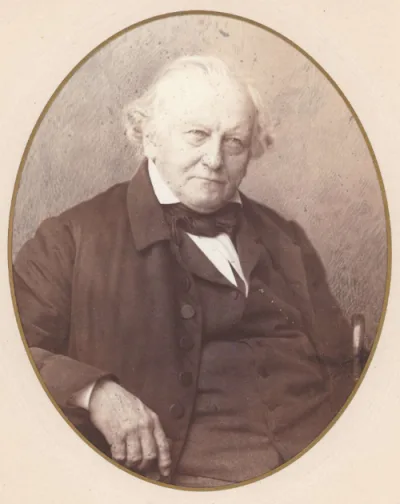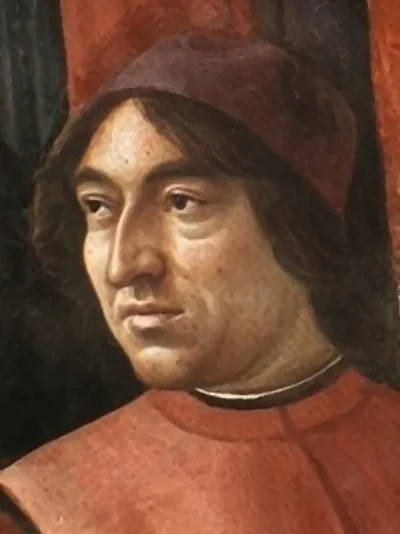
Marsilio Ficino
Angelo Poliziano was a leading classical scholar and poet of the Florentine Renaissance, influential in philology and Latin studies.
Angelo Ambrogini, widely known as Angelo Poliziano, was a prominent Italian classical scholar and poet during the Florentine Renaissance. Born in 1454, his profound engagement with classical languages and literature significantly shaped Renaissance Latin, moving it away from medieval conventions and advancing the field of philology. His academic prowess attracted the patronage of the powerful Medici family, who supported his scholarly pursuits and appointed him tutor to their children. Poliziano's extensive work included translations, critical editions of classical texts, and commentaries, establishing him as a key figure in the intellectual life of his time.
Poliziano's influence extended to his teaching, where he guided many of Europe's leading students in classical literature. He lectured extensively on various classical authors, publishing critical notes that impacted subsequent scholarship. His career was marked by a dedication to rigorous textual analysis and a desire to understand antiquity within its historical context. Despite his significant contributions, his later life and death have been subjects of historical speculation, including theories about his personal life and the cause of his demise, with recent forensic analysis suggesting arsenic poisoning.
Scholarly Contributions and Patronage
Angelo Poliziano emerged as a pivotal figure in the Florentine Renaissance, renowned for his mastery of classical languages and his contributions to philology. His work on Latin texts helped to redefine the scholarly standards of the era, distinguishing Renaissance Latin from its medieval predecessors. His deep knowledge of Greek and Latin literature led to his recognition by the influential Medici family, who became his patrons. Poliziano served as a tutor to the children of Lorenzo de' Medici, including those who would later become significant figures, and later became a close confidant. This association allowed him to pursue his scholarly endeavors, including translating classical works and producing critical editions. He also held a position at the University of Florence and lectured at the Platonic Academy under Marsilio Ficino, further cementing his role in the intellectual landscape of the time.
Educational Influence and Critical Methodology
Poliziano's impact as an educator was substantial, attracting students from across Europe. His teaching methodology involved close readings of Greek and Latin authors, accompanied by detailed philological and critical commentary. He focused on emending textual corruptions, elucidating meaning, and exploring the historical and cultural contexts of ancient works. His lectures covered a wide range of classical literature, and his published notes on authors like Ovid, Suetonius, and Quintilian influenced subsequent generations of scholars. Poliziano's approach emphasized a new standard of accuracy and precision in the study of antiquity, advocating for a rigorous examination of evidence and a detachment from preconceived notions. This critical stance, while advancing scholarly rigor, also led him to de-emphasize the direct civic relevance of classical studies, a departure from earlier humanist traditions.
Literary Works and Philosophical Engagements
Beyond his scholarly work, Poliziano was also a respected poet, composing in both Latin and Italian. His notable Latin works include "Manto," "Ambra," "Rusticus," and "Nutricia," which explored themes ranging from eulogies of classical poets to celebrations of rural life and introductions to poetry studies. In Italian, his "Stanze per la giostra," written to commemorate a tournament victory, is highly regarded, though left unfinished due to political events. He also authored the lyrical drama "Orfeo." Poliziano engaged with philosophical studies, delivering lectures on Aristotelian logic and philosophy, producing works such as "Praelectio de dialectica," "Lamia," and "Dialectica." These philosophical writings demonstrate his commitment to understanding and disseminating classical philosophical thought during the Renaissance.
Key Ideas
- Divergence of Renaissance Latin from medieval norms
- Developments in philology and textual criticism
- Emphasis on historical context and rigorous evidence in classical studies
- Re-evaluation of classical texts for accuracy and precision
Books by Marsilio Ficino
4 free public domain books · Read online or download