55,000+ Esoteric Books Free + Modern Compare Prices
Home Collections Earth Mysteries
📖

Earth Mysteries: Geomancy and Divination Books

Books on Earth Mysteries trace the study of terrestrial energies and divination from ancient practices to modern interpretations. Works like Heinrich Cornelius Agrippa von Nettesheim's *De Occulta Philosophia* and John Michael Greer's *Geomancer's Handbook* provide foundational knowledge. Understanding these systems involves exploring geomancy, sacred geometry, and their historical applications. This guide outlines key texts for beginners and serious students, offering a structured path through the subject.

Top Earth Mysteries Books

25 Earth Mysteries books

What are Earth Mysteries?

Earth Mysteries encompass a range of beliefs and practices centered on the perceived energies and sacred patterns of the Earth. This includes geomancy, the art of divination using earth-drawn figures, and the study of sacred sites, ley lines, and their influence. It often overlaps with ancient cosmology, astrology, and the symbolic language of geometry and numerology. These traditions seek to understand humanity's relationship with the terrestrial and cosmic environment.

Best Books for Complete Beginners

For those new to Earth Mysteries, starting with practical introductions to geomancy is recommended. *Geomancer's Handbook* by John Michael Greer offers a clear overview of the practice and its tools. Lillian Too's *Rooster 2013* (though a yearly almanac, often contains geomantic principles) and Evelyn Lip's *Chinese geomancy* introduce specific cultural approaches. The *Adult Coloring Book by Geomancy* provides a hands-on, visual introduction to geomantic symbols. These texts offer accessible entry points into the core concepts.

Intermediate Reading

Moving beyond basics, intermediate study deepens understanding of geomantic systems and their historical context. William Russell Bascom's *Ifa Divination* explores a sophisticated West African divination system with parallels to geomancy. Franz Hartmann's *Geomancy* offers a classic European perspective, while Stephen Skinner's *The oracle of geomancy* provides modern interpretations and practical applications. Moustafa Gadalla's *Sacred Geometry and Numerology* connects geomantic principles to broader esoteric frameworks.

Classical / Advanced Texts

Advanced study requires engaging with primary historical sources. *De Occulta Philosophia* by Heinrich Cornelius Agrippa von Nettesheim is a monumental work of Renaissance esotericism, detailing magical and astrological systems including geomancy. Gerardus Cremonensis of Sabbioneta's *Astronomical Geomancy* and Henry Cornelius Agrippa's *Of Astronomical Geomancy* delve into the celestial influences on geomantic practice. Aleister Crowley's *The handbook of geomancy* presents his interpretation of the art.

Reading Order — Step by Step

Begin with a foundational text like John Michael Greer's *Geomancer's Handbook* for an overview. In Month 1, supplement this with Evelyn Lip's *Chinese geomancy* to see a different cultural application. Month 2, delve into Franz Hartmann's *Geomancy* or Stephen Skinner's *The oracle of geomancy* for deeper practical insights. By Month 3, tackle classic works such as Agrippa's *De Occulta Philosophia* or Gerardus Cremonensis' *Astronomical Geomancy* to understand the historical roots and advanced theory.

Frequently Asked Questions

Which Earth Mysteries book should I read first?

For a clear introduction, begin with John Michael Greer's *Geomancer's Handbook*. It provides a solid overview of geomantic principles and practice, making it ideal for newcomers to the subject.

What is the difference between geomancy and astrology?

While both are divination systems, astrology uses celestial bodies and their positions, whereas geomancy interprets patterns derived from the Earth, often through casting figures.

Are Earth Mysteries related to magic?

Yes, many traditions within Earth Mysteries are considered forms of magic or practical occultism, focusing on understanding and interacting with terrestrial and cosmic energies.

Can I practice geomancy without special tools?

Basic geomancy can be practiced with simple tools like a pen and paper to draw the figures. More advanced methods might involve specific casting materials, but the core principles are accessible.

What are the main applications of geomancy?

Geomancy is used for divination, seeking answers to questions, assessing auspicious locations for building, and understanding energetic patterns of a place or time.

Where do Earth Mysteries originate from?

Earth Mysteries draw from diverse ancient traditions, including European folk magic, Chinese Feng Shui, African divination systems, and indigenous spiritual practices worldwide.

Why Each Book Matters

Feng shui

Feng shui

'Feng shui' by Unknown offers a general yet insightful overview of the fundamental principles and historical context of this revered Chinese practice. This accessible text introduces readers to core concepts like 'chi,' yin and yang, and the five elements, explaining how they influence environmental harmony. It typically covers basic applications for home and office, providing a solid starting point for understanding how to optimize energy flow in everyday spaces.

Nazarth

Nazarth

by Alexander Cummins

Alexander Cummins' 'Nazarth' likely delves into an esoteric understanding of a specific location, possibly connecting it to ancient magical practices, hidden histories, or unique energetic properties. Given Cummins' expertise in historical occultism, the book would explore the site through the lens of forgotten lore and symbolic significance, perhaps tracing its connections to planetary influences or alchemical principles. It might reveal how Nazarth was perceived as a nexus of power or a location for specific ritual work in historical magical traditions.

Geomancy

Geomancy

by C. W. Roback

C. W. Roback's 'Geomancy' offers a historical view of the practice, likely drawing from 19th-century occult revival interests and traditional European methods of land divination. Roback's work would focus on the practical application of geomantic figures for prognostication and understanding the influences of the Earth on human affairs. The book specifically details the process of casting geomantic points using various methods, including drawing dots on paper, and interpreting the resulting figures to answer specific questions, providing a foundational text for historical study.

Geomance

Geomance

by Christoforo Cattan

Christoforo Cattan's 'Geomance' is a historical text, likely from the early modern period, offering insights into the practice of geomancy during a time when it was deeply intertwined with astrology and other esoteric sciences. Cattan's work would detail the methods of casting and interpreting geomantic figures, often within a Christian or Hermetic framework. It specifically addresses the astrological houses and their correspondences to geomantic figures, providing a structured system for detailed divinatory readings.

Feng-shui

Feng-shui

by Eva Wong

Eva Wong's 'Feng-shui' delves into the Daoist origins and philosophical depth of this ancient Chinese practice, providing a scholarly yet engaging exploration of its roots. The book explains how Feng Shui is intrinsically linked to Daoist cosmology, the I Ching, and the understanding of yin and yang, offering a deeper appreciation of its underlying wisdom. It specifically examines the historical development of Feng Shui schools, such as Form School and Compass School, and their theoretical foundations.

Feng shui

Feng shui

by Evelyn Lip

Evelyn Lip's 'Feng shui' provides a comprehensive guide to the traditional Chinese art of environmental harmony, with a strong emphasis on its application in architecture and interior design. The book explains how to create auspicious living and working spaces by aligning them with natural energy flows, considering factors like building orientation, room layout, and furniture placement. It specifically details the five elements theory (wood, fire, earth, metal, water) and their interactions in shaping a balanced environment.

Geomancy

Geomancy

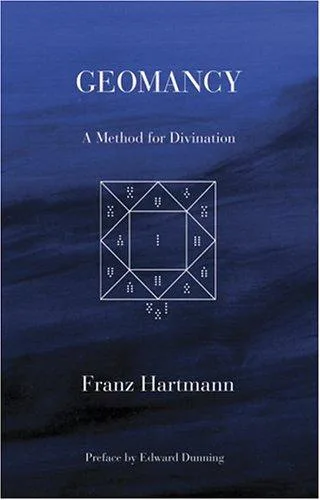
by Franz Hartmann

Franz Hartmann's 'Geomancy' presents an early 20th-century occult perspective on this ancient divinatory art, often linking it to Theosophical and mystical principles. Hartmann explores geomancy not just as a method of fortune-telling but as a way to understand the subtle forces of the Earth and their impact on human destiny. The book specifically details the creation and interpretation of the sixteen geomantic figures, such as Populus and Via, and their astrological correspondences, guiding the reader through the traditional methods of casting and reading a geomantic shield.

Geomancy

Geomancy

by Geo Muir

Geo Muir's 'Geomancy' likely provides a practical guide to understanding and working with Earth energies, possibly incorporating modern dowsing techniques and intuitive methods. The book would focus on how individuals can connect with the subtle forces of their environment to improve well-being and harmonize their living spaces. It distinguishes between beneficial and detrimental earth energies, offering methods for detecting and mitigating geopathic stress, a key concern in contemporary geomantic practice.

Geomancy

Geomancy

by Henry Cornelius Agrippa

Henry Cornelius Agrippa's 'Geomancy' is a classical text derived from his monumental 'De Occulta Philosophia Libri Tres', offering a foundational Renaissance-era perspective on this divinatory art. Agrippa systematically explains the principles of geomancy, connecting it deeply with astrology, planetary influences, and elemental magic. The work meticulously outlines the construction of geomantic charts, the significance of the sixteen figures, and their application in answering complex questions related to fate, health, and fortune, emphasizing its role within a broader magical worldview.

P'ungsu

P'ungsu

by Hong-Key Yoon

Hong-Key Yoon's 'P'ungsu' offers a comprehensive look into the Korean tradition of geomancy, which is closely related to Chinese Feng Shui but with its own distinct cultural nuances and historical development. The book meticulously explains how P'ungsu principles guide the auspicious placement of homes, graves, and cities to harness beneficial cosmic energy (gi). A key aspect explored is the concept of 'baesan-imsu' (back to the mountain, face to the water), a fundamental P'ungsu tenet for ideal site selection.

Geomancy

Geomancy

by Hugh Newman

Hugh Newman's 'Geomancy' likely focuses on the global network of megalithic sites, ancient alignments, and the concept of a planetary energy grid. Newman, known for his work on ancient mysteries and sacred sites, would explore the evidence for sophisticated ancient knowledge of Earth energies and their purposeful integration into monumental structures. The book often presents compelling photographic evidence and research into sites like Stonehenge and Avebury, linking them to a worldwide system of telluric power lines.

Geomancer

Geomancer

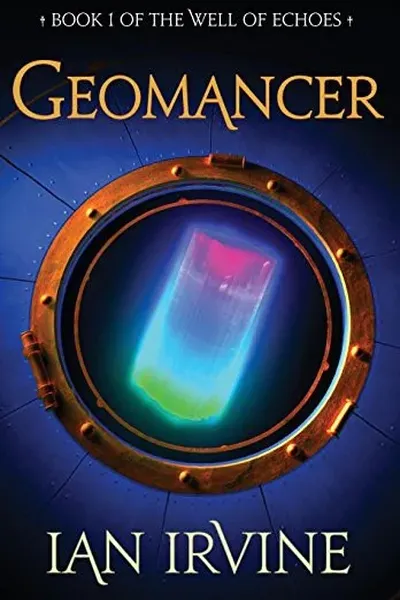
by Ian Irvine

Ian Irvine's 'Geomancer' likely offers a narrative or experiential account of the role and practice of a geomancer, exploring the journey of someone who interprets and works with Earth energies. The book would delve into the practical skills, intuitive development, and philosophical underpinnings required to become a geomancer, perhaps sharing personal anecdotes or case studies. It might focus on the geomancer's connection to the land and their ability to facilitate harmony between humans and their environment.

Tetrarch

Tetrarch

by Ian Irvine

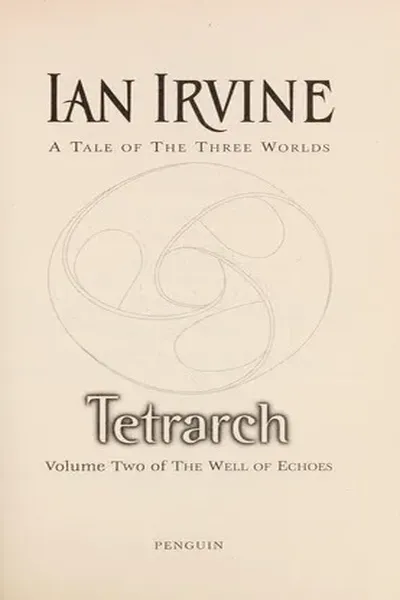
Ian Irvine's 'Tetrarch' likely explores a complex system within Earth Mysteries, possibly relating to a specific regional geomantic tradition or a highly structured approach to understanding planetary energies. The title suggests a focus on four-fold divisions or principles, which could apply to elemental forces, cardinal directions, or a particular geomantic grid system. This work would appeal to readers seeking a more advanced and intricate understanding of esoteric geography and its underlying patterns.

Feng shui

Feng shui

by Jampa Ludrup

Jampa Ludrup's 'Feng shui' offers a unique perspective on the ancient practice, possibly integrating Tibetan or Buddhist principles into the traditional Chinese framework. The book would explore the spiritual dimensions of Feng Shui, emphasizing mindfulness, compassion, and the cultivation of inner harmony alongside external environmental balance. It might introduce specific practices or visualizations rooted in Buddhist philosophy to enhance the energetic quality of a space and promote spiritual well-being.

Geomancer

Geomancer

by Kiran Millwood Hargrave

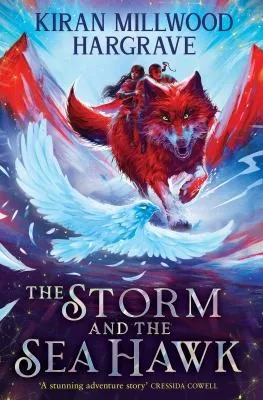
Kiran Millwood Hargrave's 'Geomancer' is likely a fictional or narrative work that explores the themes of geomancy through storytelling, immersing readers in a world where Earth energies and hidden powers are central. While fictional, such a book can vividly illustrate the concepts of ley lines, sacred sites, and the intuitive connection to the land, making complex ideas accessible. It might feature characters who possess the ability to perceive and manipulate these energies, offering a creative interpretation of the geomancer's role.

Geomancy

Geomancy

by Lynn Gray

Lynn Gray's 'Geomancy' likely explores a more intuitive and personal approach to connecting with Earth energies, emphasizing sensory perception and spiritual awareness. The book would guide readers in developing their own sensitivity to the subtle forces of the land, encouraging a deeper, more direct relationship with the environment. It might introduce meditative practices or outdoor exercises designed to attune oneself to the energetic currents of a specific place, fostering a holistic understanding of geomancy.

Geomancy

Geomancy

by Mari Silva

Mari Silva's 'Geomancy' likely serves as an introductory guide for those new to the practice, offering clear explanations and practical exercises to begin understanding Earth energies. The book would cover fundamental concepts such as dowsing, identifying ley lines, and recognizing the energetic qualities of different landscapes. It typically includes step-by-step instructions for basic geomantic readings and methods for enhancing personal connection with the natural world, making it a beginner-friendly resource.

Geomancy

Geomancy

by Michael Lundgren

Michael Lundgren's 'Geomancy' likely presents a modern interpretation of the ancient art, potentially integrating concepts of sacred geometry, landscape architecture, and environmental psychology. The book would explore how geomantic principles can be applied in contemporary contexts to create harmonious and energetically balanced spaces, from urban planning to personal gardens. It might introduce unique methods for assessing site energies using intuitive and scientific approaches, bridging ancient wisdom with modern design principles.

Sedona

Sedona

by Nicholas R. Mann

Nicholas R. Mann's 'Sedona' offers an insightful exploration into the powerful vortexes and spiritual energies that define this iconic Arizona landscape. The book details how the unique geological formations of Sedona are believed to amplify spiritual experiences and facilitate healing, drawing upon both indigenous wisdom and modern metaphysical understanding. It specifically discusses the four major energy vortexes—Airport Mesa, Cathedral Rock, Bell Rock, and Boynton Canyon—and their distinct energetic qualities, providing practical guidance for visitors seeking to connect with these forces.

Geomancy

Geomancy

by Nigel Pennick

Nigel Pennick's 'Geomancy' offers a contemporary and accessible introduction to the study of Earth energies, ley lines, and sacred landscapes, drawing heavily on European traditions. Pennick explores how ancient cultures understood and utilized the energetic patterns of the land for spiritual and practical purposes, from the placement of megaliths to the design of medieval churches. A notable feature is its emphasis on practical observation and dowsing techniques to identify and interpret these unseen terrestrial currents.

Vintana

Vintana

by Nigel Pennick

Nigel Pennick's 'Vintana' likely explores a specific aspect of European geomancy, possibly focusing on a particular sacred site or a unique tradition of land wisdom. Pennick, known for his deep research into folklore and landscape mysteries, would undoubtedly connect Vintana to ancient alignments, forgotten rituals, and the subtle energies embedded in the land. This work typically investigates how local folklore and historical architecture reflect a profound understanding of telluric currents and their influence on human settlements.

Fengshui

Fengshui

by Peter Kim Woon Gwee

Peter Kim Woon Gwee's 'Fengshui' provides a traditional perspective on the Chinese art of placement, emphasizing its foundational principles and cultural significance. The book explains how the arrangement of homes and workplaces can influence prosperity, health, and relationships by optimizing the flow of 'chi' (life force energy). It specifically details the Bagua map, a key tool in Fengshui for dividing a space into nine life areas and applying appropriate remedies or enhancements to each.

Sedona

Sedona

by Richard Dannelley

Richard Dannelley's 'Sedona' delves into the mystical allure of this renowned sacred site, focusing on its geological wonders and the ancient spiritual traditions it has inspired. The book provides a historical overview of how various cultures have perceived Sedona as a place of power, examining the interplay between its red rock formations and subtle energy fields. A specific fact highlighted is the geological composition of Sedona, primarily Coconino Sandstone and Schnebly Hill Formation, which contributes to its unique energetic resonance according to Earth Mysteries proponents.

Geomancy

Geomancy

by Rocka Newman

Rocka Newman's 'Geomancy' likely delves into the healing aspects of Earth energies, focusing on how to harmonize personal and environmental well-being through geomantic principles. The book would explore methods for identifying and remedying geopathic stress, enhancing positive energy flow in living spaces, and using natural elements for spiritual cleansing. It often includes practical techniques for 'earth acupuncture' and energy clearing to restore balance to both land and individuals.

Feng shui

Feng shui

by Sarah Rossbach

Sarah Rossbach's 'Feng shui' is often recognized for its role in popularizing and adapting Feng Shui principles for a Western audience, making the ancient art accessible and practical for modern homes and offices. The book provides clear, actionable advice on how to arrange spaces to improve various aspects of life, from career success to relationships. It specifically simplifies complex traditional formulas into easy-to-understand guidelines, such as decluttering and using color and light effectively.

Esoteric Library
Browse Esoteric Library
📚 All 55,000+ Books 🜍 Alchemy & Hermeticism 🔮 Magic & Ritual 🌙 Witchcraft & Paganism Astrology & Cosmology 🃏 Divination & Tarot 📜 Occult Philosophy ✡️ Kabbalah & Jewish Mysticism 🕉️ Mysticism & Contemplation 🕊️ Theosophy & Anthroposophy 🏛️ Freemasonry & Secret Societies 👻 Spiritualism & Afterlife 📖 Sacred Texts & Gnosticism 👁️ Supernatural & Occult Fiction 🧘 Spiritual Development 📚 Esoteric History & Biography
Esoteric Library
📑 Collections 📤 Upload Your Book
Account
🔑 Sign In Create Account
Info
About Esoteric Library