Feng shui
 62
62

Feng shui



By Celeste Moreau (Divination & Symbolism Reviewer) — This anonymous treatise on Feng Shui is a rare jewel, offering an unvarnished glimpse into the profound philosophical and spiritual underpinnings of this ancient art. It eschews superficial trends, instead focusing on the core principles of geomancy and energy flow. The author's deep understanding of cosmic principles is evident, providing insights that resonate with practitioners of various divinatory arts. Its strength lies in its directness and its commitment to revealing the 'why' behind the practices, making it an invaluable resource for serious students and seasoned practitioners alike who seek to move beyond mere aesthetics into true energetic mastery.
📝 Description
62
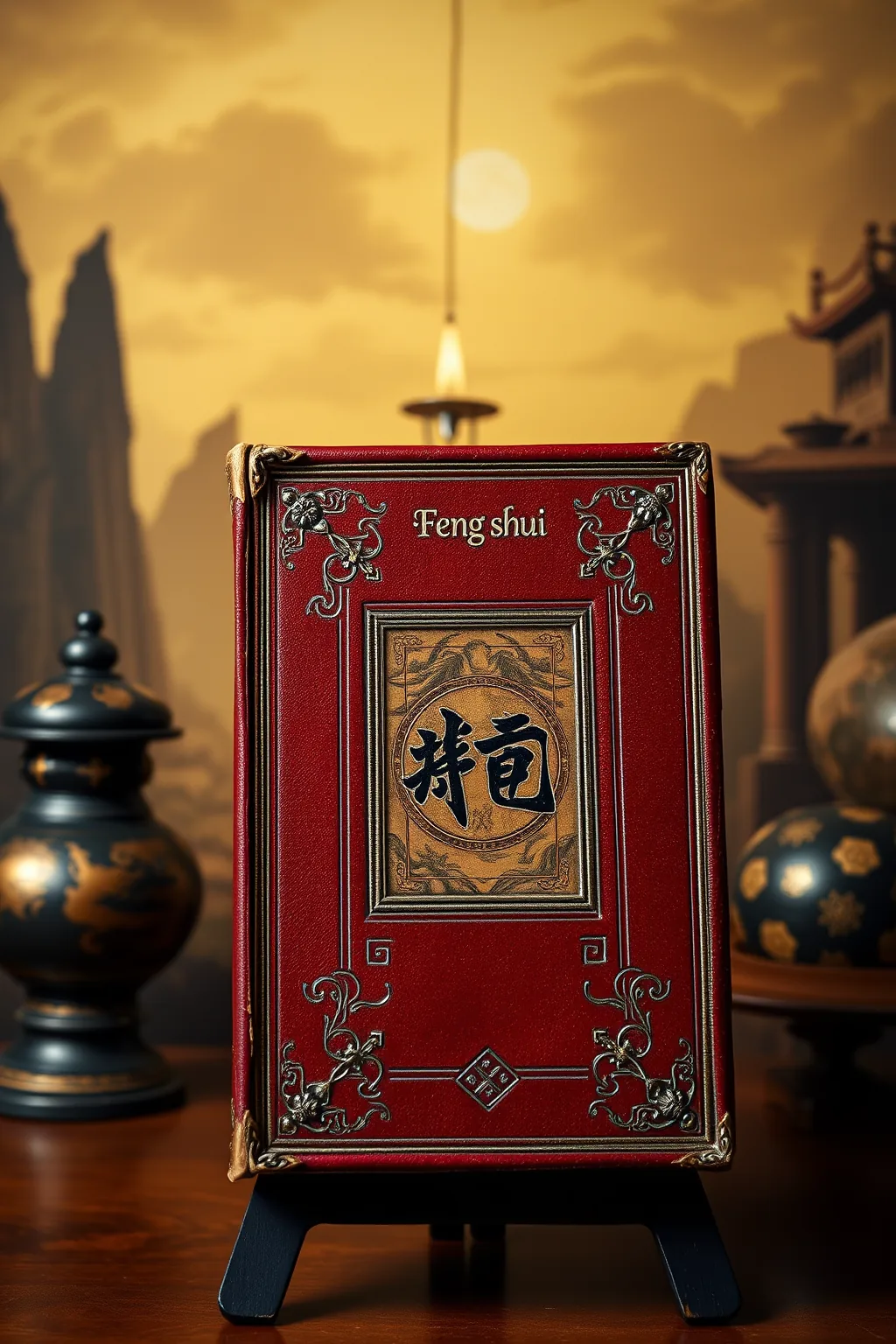
This 18th-century manuscript explains Feng Shui principles through diagrams and veiled wisdom.
This text, authored by an unknown hand, details the ancient Chinese practice of Feng Shui. It moves beyond simple interior decoration to address the flow of cosmic energy, or qi, and its impact on human life. The book explains how the considered arrangement of living spaces can affect personal fortune, health, and spiritual contentment. It uses diagrams to illustrate concepts like Yin and Yang, the Five Elements, and the Bagua.
The work aims to guide readers in aligning their lives with natural principles. It suggests methods for tapping into unseen universal forces to foster an environment that promotes prosperity and spiritual growth. The book connects the individual home, the microcosm, with the wider universe, the macrocosm. It instructs readers on transforming ordinary spaces into places of balance and harmony, enabling them to shape their own destinies.
Feng Shui originates from Taoist metaphysics and ancient Chinese cosmology. It is an esoteric discipline that seeks to harmonize individuals with their surrounding environment, believing that this alignment impacts health, wealth, and happiness. The practice is rooted in observing natural patterns and applying principles of energy flow (qi) to human dwellings and landscapes. This book contributes to that tradition by detailing specific techniques and philosophical underpinnings for achieving such balance.
💡 Why Read This Book?
This book offers a portal into the foundational wisdom of Feng Shui, revealing its mystical origins and spiritual purpose. It is essential for anyone seeking to understand the deep connection between our environment and our destiny. Ideal for seekers of ancient knowledge, scholars of geomancy, and practitioners aiming to elevate their understanding beyond surface-level applications, this text promises to unlock transformative insights into energetic harmony and personal empowerment.
⭐ Reader Reviews
Honest opinions from readers who have explored this book.
❓ Frequently Asked Questions
What is the core philosophy of Feng Shui presented in this book?
The core philosophy centers on harmonizing human existence with the natural flow of cosmic energy (Qi) through the strategic arrangement of physical spaces, thereby influencing well-being, prosperity, and spiritual advancement.
Who is the intended audience for this esoteric text?
This book is intended for serious students, spiritual seekers, practitioners of divination, and scholars interested in the metaphysical and geomantic aspects of Feng Shui, rather than casual decorators.
How does Feng Shui connect to broader metaphysical concepts?
It acts as a practical application of Taoist principles, Taoist cosmology, and the understanding of universal energies, demonstrating how to consciously influence these forces within one's immediate environment.
What are the key elements discussed in this Feng Shui treatise?
The text delves into the fundamental concepts of Yin and Yang, the Five Elements (Wood, Fire, Earth, Metal, Water), the Bagua map, and the invisible currents of Qi, explaining their symbolic and energetic significance.
Can this book help improve one's fortune and well-being?
Yes, by understanding and applying the principles of energetic alignment presented, practitioners can cultivate environments that are conducive to attracting positive influences and fostering holistic well-being.
🔮 Key Themes & Symbolism
The Breath of the Dragon: Understanding Qi
This theme explores the fundamental concept of Qi, or vital life force, as the invisible current that flows through all things. The book elucidates how Qi can be directed, enhanced, or obstructed within a given space, drawing parallels to the 'breath' of a dragon. It guides the reader in recognizing the subtle manifestations of Qi in their surroundings and understanding how its harmonious flow is paramount for health, prosperity, and spiritual vitality. This section is crucial for grasping the energetic underpinnings of all Feng Shui applications, transforming a mundane space into a dynamic conduit of positive energy.
The Dance of the Elements: Five-Phase Harmony
Examine the profound symbolism and energetic interplay of the Five Elements: Wood, Fire, Earth, Metal, and Water. This theme reveals how these elemental forces are not static but engage in cyclical relationships of creation and destruction. The book illustrates how to identify the dominant elements within a space and how to balance them to foster equilibrium. Understanding this elemental dance is key to diagnosing energetic imbalances and applying specific remedies to enhance auspiciousness, mitigate challenges, and create a dynamic, supportive environment that speaks to cosmic order.
The Mirror of the Cosmos: The Bagua and Its Secrets
This crucial theme introduces the Bagua, the octagonal map that acts as a symbolic mirror reflecting the energetic blueprint of a space. The book unpacks the profound significance of each of the eight trigrams and their corresponding life areas – such as wealth, health, relationships, and career. It guides the reader in overlaying the Bagua onto their home or workspace to identify areas of strength and weakness, offering esoteric insights into how specific adjustments can unlock potential, invite blessings, and foster holistic development across all facets of life.
💬 Memorable Quotes
Direct passages from the work, attributed to the author.
“Where Qi flows freely, fortune blossoms.”
— This aphorism highlights the direct correlation between the unimpeded movement of vital energy (Qi) and the manifestation of good luck and prosperity in one's life.
“Silence the clamor, embrace the stillness, and listen to the earth's whisper.”
— This evocative phrase encourages attunement to the subtle energies of nature and one's surroundings, suggesting that true wisdom and guidance are found in quiet observation and receptivity.
“To shape thy space is to shape thy fate.”
— This powerful statement underscores the agency and wide impact an individual has over their destiny through the conscious manipulation and harmonization of their living and working environments.
💡 Key Ideas
Editorial paraphrase of the work's core concepts — not direct quotes.
The dwelling is but a reflection of the soul's outer form.
This quote suggests a deep, reciprocal relationship between our internal state and our external environment, implying that our homes are not merely shelters but energetic mirrors of our inner being.
The Five Elements are but the pulse of the universe made manifest.
This quote elevates the Five Elements beyond mere components, positioning them as the fundamental rhythmic expressions of cosmic vitality and interconnectedness.
🌙 Esoteric Significance
Tradition
Feng Shui is deeply embedded within the Taoist tradition, drawing heavily on its philosophical tenets regarding the Tao (the Way), the interplay of Yin and Yang, and the concept of Qi (vital life force). It is also a practical manifestation of Chinese geomancy, a system of divination that interprets the energetic landscape. Its esoteric nature lies in its ability to influence unseen forces and connect the microcosm of human habitation with the macrocosm of the universe, facilitating spiritual growth and alignment.
Symbolism
The symbolism in Feng Shui is rich and complex, with the Bagua representing the eight fundamental forces of the universe and their corresponding life aspirations. The Five Elements (Wood, Fire, Earth, Metal, Water) symbolize dynamic cycles of creation and destruction, influencing balance and transformation. Animals like the dragon and phoenix carry potent symbolic meanings related to power, prosperity, and auspiciousness. Colors, shapes, and materials are imbued with specific energetic qualities, all serving as a visual language to communicate and manipulate the flow of Qi.
Modern Relevance
In contemporary times, Feng Shui has gained global recognition, bridging ancient wisdom with modern living. Its principles offer a powerful framework for individuals seeking to create more balanced, harmonious, and supportive environments in an increasingly complex and often chaotic world. Beyond interior design, it provides tools for personal empowerment, stress reduction, and fostering a deeper connection with nature. Its enduring relevance lies in its ability to address fundamental human needs for well-being, prosperity, and spiritual fulfillment through practical, energetic adjustments to our immediate surroundings.
👥 Who Should Read This Book
This profound exploration of Feng Shui is a vital read for the discerning individual. **Beginners** seeking a foundational understanding of its mystical origins and core principles will find an accessible yet deeply insightful introduction. **Scholars** of ancient Chinese metaphysics, geomancy, and Eastern philosophies will uncover nuanced interpretations and historical context. **Spiritual seekers** yearning to align their lives with cosmic energies and cultivate auspicious circumstances will discover practical applications for their personal journey. **Practitioners** of divination and energy work will find advanced concepts and a deeper appreciation for the energetic architecture of space, enriching their existing practices.
📜 Historical Context
The principles of Feng Shui, or 'wind and water,' have roots stretching back thousands of years in ancient China, deeply intertwined with Taoist philosophy, cosmology, and early forms of geomancy. Emerging during periods of significant philosophical development, likely around the Han Dynasty (206 BCE – 220 CE) or earlier, its practice was initially reserved for the imperial court and elite scholars, shaping the siting of palaces, temples, and auspicious burial grounds. This esoteric art was not merely about aesthetics but was a sophisticated system for understanding and harnessing the invisible forces of the natural world to ensure prosperity, health, and longevity for individuals and the state. Its transmission through dynasties, often veiled in secrecy or passed down through oral traditions, contributed to its mystical aura and enduring influence, making it a central to traditional Chinese metaphysics and a profound cultural heritage.
📔 Journal Prompts
Reflect on the dominant elemental energy in your primary living space. How does it make you feel?
Identify a specific area of your home that feels energetically stagnant. What symbolic changes could you implement to invigorate it?
Consider the symbolism of the 'Dragon's Breath' (Qi) in your daily life. Where do you feel its flow is strongest and weakest?
How does the concept of Yin and Yang manifest in the balance of light and shadow within your dwelling?
Imagine your home as a sacred vessel. What intentions would you imbue it with to support your highest aspirations?
🗂️ Glossary
Qi (Chi)
The vital life force or cosmic energy that flows through all living things and the universe. Its harmonious circulation is central to Feng Shui practice, influencing health and prosperity.
Yin and Yang
The fundamental Taoist concept of complementary, interconnected opposites that exist in all things. Yin represents feminine, passive, dark qualities, while Yang represents masculine, active, light qualities.
Five Elements
The cyclical phases of Wood, Fire, Earth, Metal, and Water, which represent fundamental energies and their interactions. They are used to analyze and balance the energetic composition of a space.
Bagua
An octagonal diagram or map used in Feng Shui to divide a space into nine areas, each corresponding to specific life aspects (e.g., wealth, career, relationships) and elemental energies.
Geomancy
The practice of interpreting the energetic qualities of land and space, often involving the study of landforms, water, and celestial alignments to determine auspicious locations for building and living.
This book appears in 3 collections
🔮 Readers Also Liked
Browse all →








From the “Geomancy” Collection
View all →







More Free Divination & Tarot Books
View all →