Christians and Platonists
 61
61

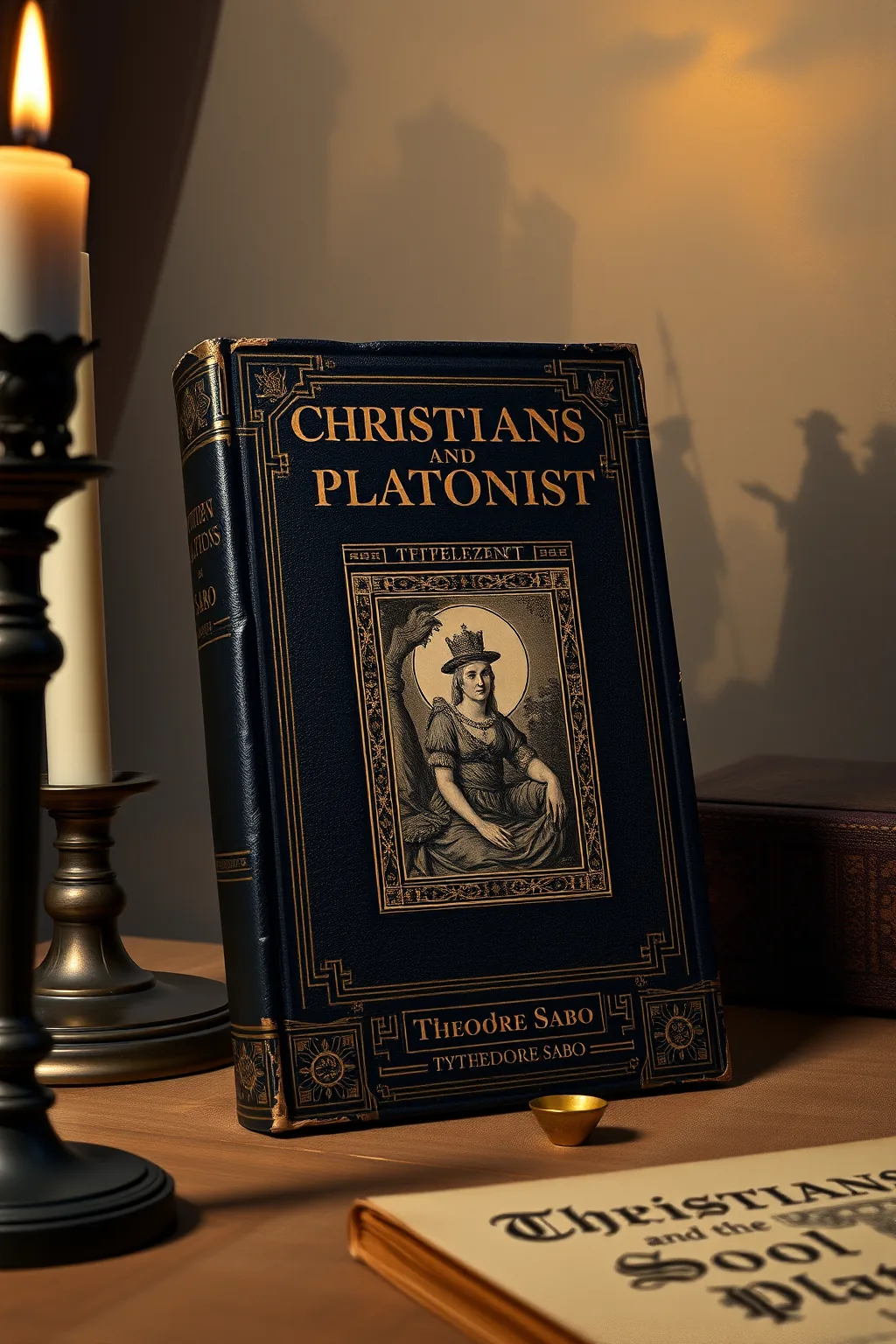
Christians and Platonists



Review by Aurelia Blackwood (Occult Philosophy Critic) — Theodore Sabo's 'Christians and Platonists' is a masterful exploration of the esoteric connections between Christianity, Gnosticism, and Neoplatonism. Sabo's meticulous research and deep understanding of these mystical traditions make this book an invaluable resource for both scholars and spiritual seekers. The book's strengths lie in its detailed analysis of key terms and the writings of influential figures like Plotinus and Porphyry. Sabo's work sheds light on the shared disdain for the material world and the human body, offering profound insights into the esoteric underpinnings of these ancient philosophies. This book is a must-read for anyone interested in the hidden knowledge and symbolism that have shaped our understanding of the mystical and occult.
📝 Description
61
Theodore Sabo's 'Christians and Platonists' examines the shared critique of the material world by early Christian and Neoplatonic thinkers.
In 'Christians and Platonists,' Theodore Sabo looks at the surprising common ground between certain Christian groups and Neoplatonic philosophers in late antiquity. He focuses on their mutual distrust of the physical body and the material world, seeing these as hindrances to spiritual understanding. Sabo analyzes key terminology and the works of important figures such as Plotinus and Porphyry. His aim is to reveal the symbolic language and hidden meanings within these traditions.
The book is structured around a close reading of primary sources, highlighting how concepts like the soul's descent and ascent were understood. Sabo connects these ideas to broader movements in late antique spirituality, showing how Christian thinkers adapted or reacted to prevailing Platonic thought. This study offers a detailed look at how philosophical ideas shaped religious expression in a formative period.
This book fits within the study of Western Esotericism by examining the philosophical and spiritual currents that influenced early Christian thought. It specifically bridges the gap between classical philosophy, particularly Neoplatonism, and emerging Christian doctrines. The focus on concepts like the soul's transcendence and the rejection of the material world aligns with themes found in Gnosticism and Hermeticism, demonstrating how these ideas circulated and were reinterpreted during late antiquity.
💡 Why Read This Book?
Read 'Christians and Platonists' to uncover the mystical connections between Christianity, Gnosticism, and Neoplatonism. Ideal for spiritual seekers, scholars, and practitioners of esoteric traditions, this book offers deep insights into ancient symbolism and the enduring significance of these philosophies. Sabo's work is a beacon for those looking to explore the hidden knowledge that has influenced spiritual thought for centuries.
⭐ Reader Reviews
Honest opinions from readers who have explored this book.
❓ Frequently Asked Questions
What is the main focus of 'Christians and Platonists'?
The book explores the shared disdain for matter and the body among Christians, Gnostics, and Neoplatonists in late antiquity.
Who are the key figures discussed in the book?
The book delves into the writings of Plotinus, Porphyry, Iamblichus, and Proclus.
Is this book suitable for beginners in esoteric studies?
While it provides deep insights, beginners might find it challenging due to its scholarly approach. Some familiarity with esoteric traditions is recommended.
What makes this book important for modern readers?
It offers timeless insights into the mystical connections between different philosophical traditions, relevant for spiritual seekers and scholars today.
How does Sabo approach the subject matter?
Sabo uses a meticulous examination of key terms and ancient texts to unveil hidden knowledge and symbolism.
🔮 Key Themes & Symbolism
Disdain for the Material World
One of the central themes in 'Christians and Platonists' is the shared disdain for the material world and the human body among late antiquity philosophies. This theme is explored through the writings of key figures like Plotinus and Porphyry, revealing the esoteric underpinnings of these ancient ideas.
Symbolism and Hidden Knowledge
Sabo's work studies the strong symbolism and hidden knowledge that permeate the writings of Neoplatonists and Gnostics. By examining key terms and ancient texts, the book unveils the mystical connections that have shaped our understanding of the occult and esoteric traditions.
Philosophical Significance
The book offers useful insights into the philosophical significance of these ancient ideas, making it an essential read for spiritual seekers and scholars. The atmosphere of intellectual rigor and mystical discovery invites readers to contemplate the enduring relevance of these philosophies in our modern quest for spiritual enlightenment.
💬 Memorable Quotes
Direct passages from the work, attributed to the author.
“The first part of this book looks at key words like ethos, aiōn, and saeculum.”
— Sabo's detailed analysis of key terms reveals the hidden knowledge and symbolism in ancient texts.
“The writings of Plotinus and Porphyry, Iamblichus and Proclus.”
— These seminal figures are central to understanding the esoteric underpinnings of Neoplatonism.
“The Christians, Gnostics, and Platonists of late antiquity all shared...”
— This opening statement sets the stage for a deep exploration of the mystical connections between these philosophies.
💡 Key Ideas
Editorial paraphrase of the work's core concepts — not direct quotes.
The dislike of matter and the body was boldly expressed.
This passage highlights the shared disdain for the physical world among late antiquity philosophies.
The third part shows that Gnosticism was second to none in its insistence...
This quote underscores the useful insights into Gnostic philosophy and its mystical connections.
🌙 Esoteric Significance
Tradition
This book belongs to the Hermetic and Gnostic traditions, exploring the mystical connections between Christianity and Neoplatonism. Sabo's work studies the esoteric underpinnings of these philosophies, offering useful insights into hidden knowledge and ancient symbolism.
Symbolism
Key symbols in the book include ethos, aiōn, and saeculum, which represent the esoteric concepts of character, eternity, and the world age. These symbols are central to understanding the mystical connections between different philosophical traditions.
Modern Relevance
The book's exploration of the shared disdain for the material world and the human body is relevant for modern spiritual seekers and practitioners of esoteric traditions. Today, many practitioners use Sabo's insights to deepen their understanding of ancient symbolism and its enduring significance.
👥 Who Should Read This Book
Beginners in esoteric studies might find this book challenging due to its scholarly approach, but it is an invaluable resource for those with some familiarity with mystical traditions. Scholars of philosophy and religion will appreciate the detailed analysis of key terms and ancient texts. Spiritual seekers and practitioners of Hermeticism and Gnosticism will find useful insights into the hidden knowledge and symbolism that have shaped our understanding of the occult. This book is a must-read for anyone interested in the mystical connections between Christianity and Neoplatonism.
📜 Historical Context
Written during a time when Christianity, Gnosticism, and Neoplatonism were flourishing, 'Christians and Platonists' offers a unique perspective on the philosophical range of late antiquity. The book's importance lies in its meticulous examination of the shared disdain for the material world and the human body among these traditions. Sabo's work has influenced modern scholars and spiritual seekers, providing timeless insights into the esoteric underpinnings of these ancient philosophies.
📔 Journal Prompts
How do the shared disdain for the material world and the human body influence your spiritual practices?
Reflect on the significance of key terms like ethos, aiōn, and saeculum in your own spiritual journey.
Consider the enduring relevance of Neoplatonic and Gnostic philosophies in modern spiritual thought.
How does the exploration of ancient symbolism deepen your understanding of esoteric traditions?
In what ways do the writings of Plotinus and Porphyry, Iamblichus and Proclus resonate with your spiritual beliefs?
🗂️ Glossary
Ethos
A term representing the character or moral disposition of an individual or a culture.
Aiōn
A concept of eternity or the eternal realm, often used in Gnostic and Neoplatonic philosophies.
Saeculum
A term referring to the world age or the temporal realm, contrasting with the eternal.
Neoplatonism
A philosophical tradition that emerged in the 3rd century CE, combining elements of Platonism with other mystical and esoteric ideas.
Gnosticism
A mystical and esoteric tradition that emphasizes hidden knowledge and the duality between the spiritual and material worlds.
This book appears in 7 collections
🔮 Readers Also Liked
Browse all →








More by Theodore Sabo
All books →

From the “Remote Viewing” Collection
View all →





More Free Alchemy & Hermeticism Books
View all →