What is Cosmic Consciousness?
Cosmic consciousness refers to a hypothesized higher state of awareness beyond ordinary individual consciousness. It is characterized by a sense of unity with the universe, clear insights, and an expanded perception of reality. This state is often associated with spiritual enlightenment or a significant evolutionary leap in human mental capacity, moving from individual ego-centric awareness to a universal, interconnected perspective.
Best Books for Complete Beginners
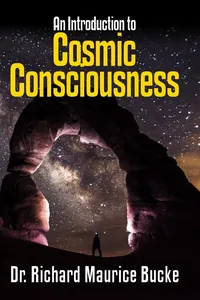
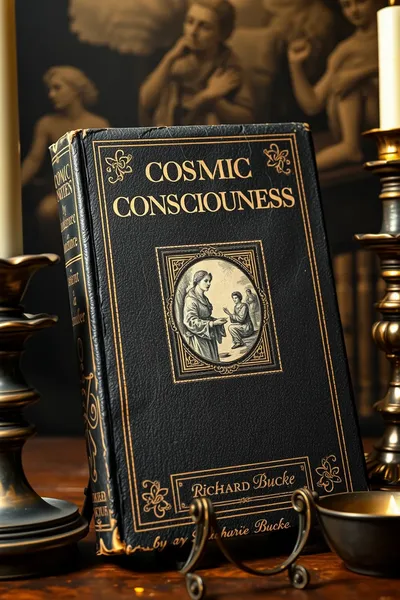
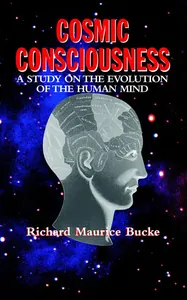
For those new to the concept, Richard Maurice Bucke's *Cosmic Consciousness: A Study in the Evolution of the Human Mind* (1901) is essential. It systematically documents cases and discusses the characteristics of this state. Gopi Krishna's *What Is Cosmic Consciousness?* offers a personal account and exploration of the phenomenon. Linda C. Anderson's *35 Golden Keys to who You are & why You're Here* provides accessible insights into self-discovery that can touch on expanded awareness. Mahmoud Masaeli and Rico Sneller's *Cosmic Consciousness and Human Excellence* offers a more contemporary overview, bridging historical perspectives with modern understanding.
Intermediate Reading
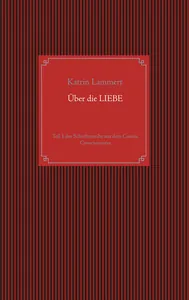
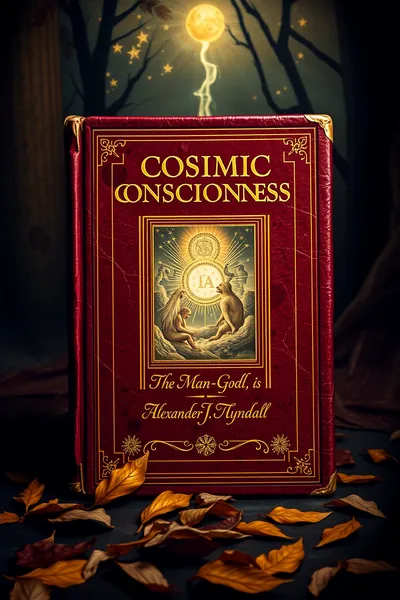
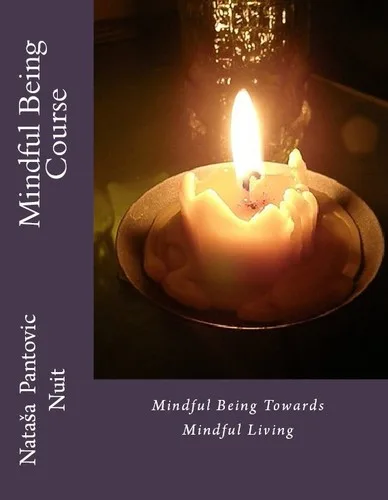
Building on foundational knowledge, Alexander J. McIvor-Tyndall's *Cosmic Consciousness: The Man-God Whom We Await* looks at the concept with a specific focus. Nataša Pantović Nuit's *Mindful Being (Alchemy of Love Mindfulness Training Book #4)* explores practical applications of mindfulness that can lead to expanded states. Asghar Talaye Minai's *Mysticism, Aesthetics, and Cosmic Consciousness* connects the experience to broader philosophical and artistic contexts. Katrin Lammert's works, such as *Über die LIEBE*, explore related themes of universal connection and consciousness through a different lens.
Classical / Advanced Texts
The primary text remains Richard Maurice Bucke's *Cosmic Consciousness: A Study in the Evolution of the Human Mind* (1901), a pioneering work in the field. Ahmed Hulusi's *Decoding the Quran* offers a unique Sufi perspective, interpreting sacred texts through the lens of cosmic awareness. R.D. Krumpos's *The greatest achievement in life* approaches the topic from a perspective focused on personal realization and the ultimate human potential.
Reading Order — Step by Step
Begin with Richard Maurice Bucke's *Cosmic Consciousness: A Study in the Evolution of the Human Mind* (1901) for a historical and conceptual foundation. Follow with Gopi Krishna's *What Is Cosmic Consciousness?* for a personal perspective. In Month 2, explore Linda C. Anderson's *35 Golden Keys to who You are & why You're Here* for accessible self-discovery principles. Then, study Mahmoud Masaeli and Rico Sneller's *Cosmic Consciousness and Human Excellence*. Month 3 can be dedicated to deeper dives with Alexander J. McIvor-Tyndall or Asghar Talaye Minai, depending on interest in specific interpretations or connections to mysticism and aesthetics.
Frequently Asked Questions
Which cosmic consciousness book should I read first?
Start with Richard Maurice Bucke's 'Cosmic Consciousness: A Study in the Evolution of the Human Mind' (1901). It is the foundational text that defines the term and provides historical context for understanding the concept.
Is cosmic consciousness the same as enlightenment?
While related and often overlapping, cosmic consciousness specifically refers to a state of universal awareness and unity. Enlightenment is a broader term for profound spiritual awakening and liberation, which may or may not include the specific characteristics of cosmic consciousness.
Can anyone achieve cosmic consciousness?
Many texts suggest it is a potential evolutionary stage for humanity. While some individuals experience it spontaneously or through dedicated practice, it is often described as a rare and profound state requiring significant inner development.
What are the signs of experiencing cosmic consciousness?
Commonly reported signs include a sense of profound peace, overwhelming joy, the dissolution of ego boundaries, a feeling of oneness with the universe, and intuitive insights into the nature of reality.
Are there scientific explanations for cosmic consciousness?
While direct scientific proof is elusive, some researchers explore parallels with altered states of consciousness studied in neuroscience, such as those induced by meditation or peak experiences, linking them to changes in brain activity and perception.
How does Sufism relate to cosmic consciousness?
Sufism, the mystical dimension of Islam, emphasizes direct experience of the Divine and the dissolution of the ego. Texts like Ahmed Hulusi's 'Decoding the Quran' interpret Islamic teachings through the lens of achieving states of universal awareness and unity.
What is the role of mindfulness in developing higher consciousness?
Mindfulness practices, as explored in works like Nataša Pantović Nuit's 'Mindful Being', cultivate present moment awareness and detachment from egoic thought patterns. This can create the inner space and clarity conducive to experiencing expanded states of consciousness.
Are Katrin Lammert's books relevant to cosmic consciousness?
Yes, books like 'Über die LIEBE' explore themes of universal connection, interconnectedness, and the nature of love, which are closely related to the experiential aspects of cosmic consciousness and unity.