Machen, Arthur
Arthur Machen was a Welsh author known for his supernatural fiction, mystical themes, and influential horror stories.
Arthur Machen, born Arthur Llewellyn Jones in 1863, was a Welsh author and mystic whose career spanned the late 19th and early 20th centuries. He is primarily recognized for his contributions to supernatural, fantasy, and horror literature, with his novella "The Great God Pan" being a seminal work in the horror genre. His writing was deeply influenced by the landscape of his native Monmouthshire and its historical associations, as well as by his extensive reading and early exposure to occult themes.
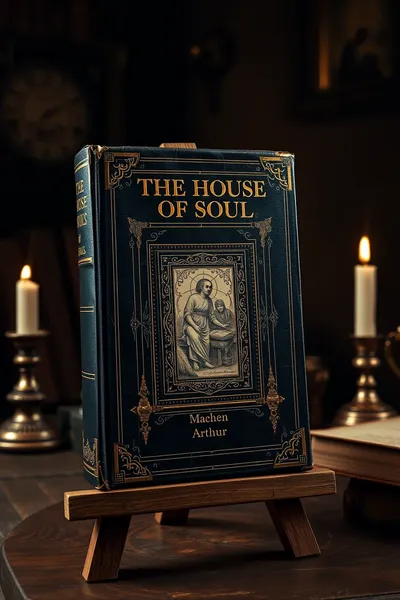
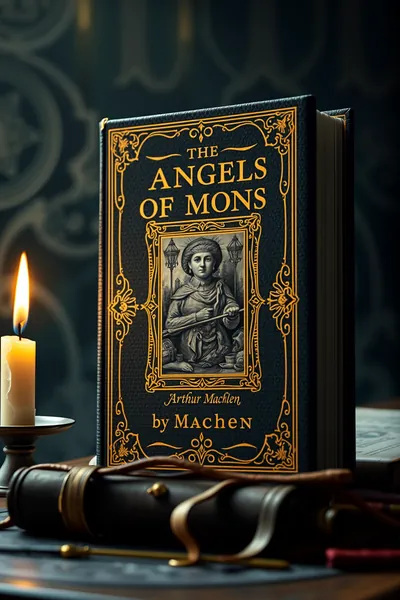
Machen's early life involved a period of varied employment and literary pursuits, including translation work and early publications. His marriage to Amelia Hogg introduced him to bohemian literary circles and occultists like A. E. Waite. Following his wife's death, Machen briefly joined the Hermetic Order of the Golden Dawn and embarked on a career as an actor. His literary career saw a resurgence in the 1900s with the collection "The House of Souls" and the publication of "The Hill of Dreams." During World War I, his story "The Bowmen" gained widespread attention, fueling the legend of the "Angels of Mons."
Machen experienced a significant literary revival in the 1920s, with many of his works being reissued and finding new audiences, particularly in the United States. This period also saw the publication of his autobiographical volumes. He continued to be a notable figure in literary gatherings until his death in 1947. His work often explored themes of mysticism, the hidden world, and the supernatural, leaving a lasting impact on horror and fantasy literature.
Early Life and Influences
Born Arthur Llewellyn Jones in Caerleon, Wales, Arthur Machen was profoundly shaped by the historical and mystical landscape of Monmouthshire, which he often referred to as Gwent. His family had a clerical lineage, and his father adopted the surname Machen to inherit a legacy. Machen's early intellectual development was nurtured by a diverse reading list, including works on alchemy, classic literature, and Gothic architecture, potentially sparking his lifelong interest in the occult. Despite a strong early literary inclination, evidenced by his 1881 publication on the Eleusinian Mysteries, financial constraints prevented him from pursuing higher education. He supported himself through various jobs, including journalism and as a publisher's clerk, while dedicating his evenings to writing and solitary exploration.
Literary Development and Mysticism
Machen's literary career gained momentum in the 1890s, with his early works published in magazines and influenced by authors like Robert Louis Stevenson. His novella "The Great God Pan" (1894) became a significant, albeit controversial, success, recognized for its horrific and sensual themes and contributing to the decadent literary movement. Following this, he published "The Three Impostors." His personal life was marked by the death of his first wife, Amelia Hogg, in 1899, which deeply affected him. During this period, his association with occultist A. E. Waite led him to briefly join the Hermetic Order of the Golden Dawn. He later found happiness in a second marriage and continued to explore themes of Celtic Christianity and Grail legends in his writing, notably in "The Secret Glory."
Later Career and Public Recognition
Machen's professional life included a stint as an actor before he returned to full-time journalism in 1910. The First World War brought him unexpected public attention through his story "The Bowmen," which inadvertently created the legend of the "Angels of Mons." This period also saw the publication of morale-boosting stories and autobiographical writings. Despite disliking newspaper work, it provided financial stability for his family. The 1920s marked a significant resurgence in his literary reputation, with "The Secret Glory" and "The Hill of Dreams" gaining recognition, and his works finding a new readership, especially in America. His autobiographical volumes published during this time further cemented his legacy as a significant figure in British literature.
Key Ideas
- Exploration of the supernatural and hidden realities.
- Influence of ancient mythology, Celtic history, and mysticism on modern life.
- The concept of "ecstasy" as a hallmark of true literature.
- The enduring power of ancient legends, such as the Holy Grail, in contemporary consciousness.
Books by Machen, Arthur
0 free public domain books · Read online or download