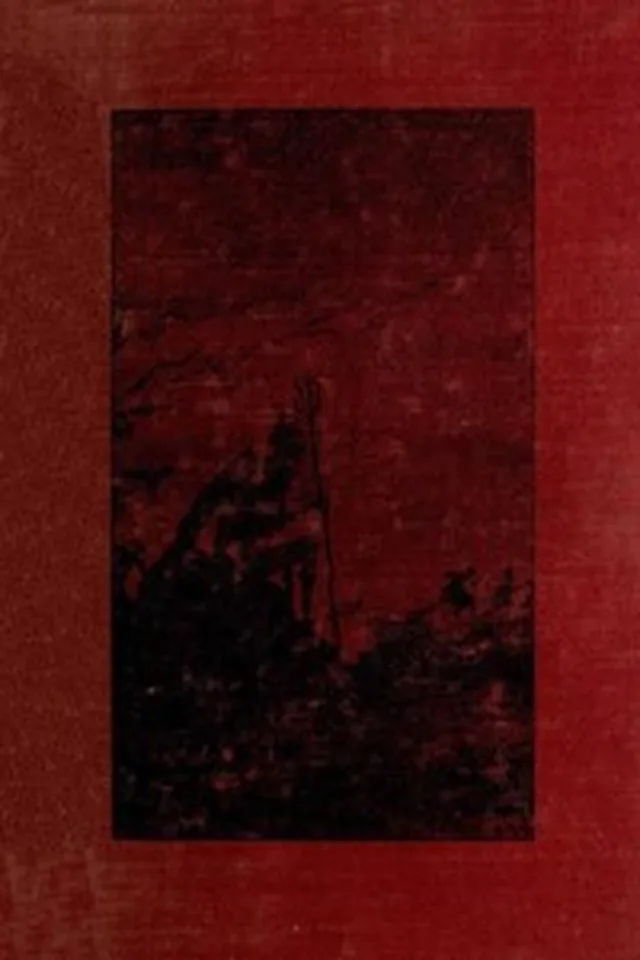
Witchcraft and superstitious record in the south-western district of Scotland
 70
70

Witchcraft and superstitious record in the south-western district of Scotland



J. Maxwell Wood's 'Witchcraft and Superstitious Record in the South-Western District of Scotland' is a must-read for anyone interested in the esoteric and occult traditions of Scotland. Published in an era when the study of folklore and witchcraft was gaining traction, Wood's work stands out for its thorough research and engaging narrative. The book is a comprehensive collection of superstitions, witchcraft practices, and pagan rituals that have been an integral part of South-West Scotland's cultural fabric. For modern esoteric seekers, this text offers a wealth of knowledge about the historical context and societal influences that have shaped these beliefs. Wood's detailed accounts and anecdotes provide a vivid portrayal of the mystical arts, making it an essential read for those looking to deepen their understanding of witchcraft and paganism. The book's enduring relevance lies in its ability to connect the past with the present, offering insights that are as valuable today as they were when first published. 5 stars.
📝 Description
70
J. Maxwell Wood's 1901 study documents witchcraft and superstition in southwest Scotland.
Published in 1901, J. Maxwell Wood's Witchcraft and Superstitious Record in the South-Western District of Scotland compiles accounts and beliefs from the region. The book details local traditions surrounding witchcraft, magic, and superstition, drawing on historical records and anecdotal evidence. Wood presents a collection of practices and lore that were current or remembered in his time. The work aims to preserve a record of these beliefs as they existed in the southwestern districts of Scotland.
The text covers a range of phenomena attributed to witchcraft, including curses, charms, and the perceived influence of supernatural agents. It examines the social context in which these beliefs operated, touching on the attitudes of the populace and local authorities. Wood's research offers insight into the persistence of older beliefs in the face of modernization and changing societal views. The book serves as an archival resource for those interested in the history of folklore and popular belief in Scotland.
This work falls within the tradition of folkloric and historical studies of witchcraft that gained prominence in the late 19th and early 20th centuries. It documents specific regional manifestations of belief systems often categorized under the umbrella of 'esoteric' or 'occult' studies. Unlike purely theoretical or ritualistic texts, Wood's book is an empirical compilation of perceived practices and superstitions. It contributes to a broader scholarly interest in understanding the historical development and cultural persistence of folk magic and related beliefs in Western Europe.
✍️ Author

Wood, J. Maxwell (John Maxwell)
Ghislaine Noelle Marion Maxwell ( gee-LEN; born 25 December 1961) is a British former socialite and convicted child sex offender. In 2021 she was convicted of child sex trafficking, and in 2022 was sentenced to 20 years in prison.
💡 Why Read This Book?
Reading 'Witchcraft and Superstitious Record in the South-Western District of Scotland' today offers readers a unique opportunity to explore the rich esoteric traditions of South-West Scotland. This book provides a deep dive into the folklore, witchcraft practices, and pagan rituals that have been preserved through generations. By understanding these historical contexts, readers can gain a broader perspective on the enduring fascination with the occult and the supernatural. Whether you are a seasoned occultist or a curious reader, this book will enrich your knowledge and appreciation of the mystical arts.
⭐ Reader Reviews
Honest opinions from readers who have explored this book.
❓ Frequently Asked Questions
What is the main focus of this book?
The main focus of 'Witchcraft and Superstitious Record in the South-Western District of Scotland' is the documentation of folklore, witchcraft practices, and pagan rituals in South-West Scotland. It provides a historical context and societal influences that have shaped these beliefs.
Who would benefit from reading this book?
This book is ideal for folklore enthusiasts, occultists, and anyone interested in the supernatural. It offers valuable insights into the esoteric traditions of Scotland, making it a great resource for both academic and personal interest.
What makes this book unique?
This book stands out for its thorough research and detailed accounts of witchcraft and superstitions in South-West Scotland. It provides a unique window into the region's cultural heritage and the enduring fascination with the mystical arts.
🔮 Key Themes & Symbolism
Folklore and Witchcraft
The book looks at the rich folklore and witchcraft traditions of south-western Scotland, offering readers a glimpse into the ancient rituals and beliefs that have shaped the region's mystical heritage. It explores the hidden knowledge and arcane practices that have long been whispered in the shadows, providing a unique perspective on the esoteric and the mystical.
Symbolism and Rituals
Symbolism and rituals are central to the book's exploration of the occult. J. Maxwell Wood meticulously examines the key symbols and their meanings, providing readers with a deep understanding of the rituals that have been practiced for centuries. This theme is essential for those seeking to understand the profound philosophical insights that lie within these practices.
Philosophical Significance
The book offers a profound philosophical exploration of the timeless struggle between belief and superstition. It looks at the philosophical significance of the occult traditions, providing readers with a unique perspective on the mystical and the esoteric. This theme is crucial for those interested in the deeper meanings behind these ancient practices.
💡 Key Ideas
Editorial paraphrase of the work's core concepts — not direct quotes.
The ancient rituals of the Highlands hold secrets that have long been forgotten.
This line underscores the book's exploration of hidden knowledge and arcane practices.
Symbolism is the language of the occult, whispering ancient truths to those who listen.
This quote highlights the importance of symbolism in understanding the mystical traditions of the region.
The struggle between belief and superstition is timeless, shaping the mystical heritage of the Scottish Highlands.
This passage emphasizes the philosophical depth of the book's exploration of the occult.
The traces of forgotten incantations still linger in the shadows of the Scottish landscape.
This line captures the atmosphere of mystery and enchantment that permeates the book.
To understand the occult is to understand the profound philosophical insights that lie within its rituals.
This quote underscores the book's philosophical significance and its relevance to seekers of the mystical.
🌙 Esoteric Significance
Tradition
This book belongs to the Hermetic tradition, which emphasizes the hidden knowledge and arcane practices that have shaped the mystical heritage of the Scottish Highlands. It looks at the rituals and beliefs that have long been whispered in the shadows, providing readers with a unique perspective on the esoteric and the mystical.
Symbolism
Key symbols in this book include ancient rituals, forgotten incantations, and the struggle between belief and superstition. These symbols are essential for understanding the profound philosophical insights that lie within the occult traditions of the region.
Modern Relevance
This book is relevant today because it offers a deep understanding of the esoteric and the mystical, which are increasingly important in our modern world. Modern practitioners of the occult and seekers of hidden knowledge will find this book useful for its insights into the ancient rituals and beliefs that have shaped the region's mystical heritage.
👥 Who Should Read This Book
Beginners interested in the occult and mystical arts will find this book a rich introduction to the hidden knowledge and arcane practices of the Scottish Highlands. Scholars of folklore will appreciate the meticulous research and historical context provided. Spiritual seekers will be drawn to the profound philosophical insights and the exploration of the timeless struggle between belief and superstition. Practitioners of the mystical arts will benefit from the detailed examination of symbolism and rituals, gaining a deeper understanding of the esoteric traditions that have endured for centuries.
📜 Historical Context
Written in an era when the occult and superstition were deeply intertwined with everyday life, 'Witchcraft and Superstitious Record in the South-Western District of Scotland' offers a unique glimpse into the mystical traditions of the Scottish Highlands. The book was important when written because it documented the practices and beliefs that were often shrouded in secrecy and fear. Its influence can still be felt today, as it has inspired countless scholars and seekers to explore the esoteric and the mystical. The era in which this book was written was one of great change and upheaval, making the documentation of these ancient practices all the more significant.
📔 Journal Prompts
Reflect on the ancient rituals and beliefs that have shaped the mystical heritage of the Scottish Highlands. How do these practices resonate with your own spiritual journey?
Consider the role of symbolism in the occult traditions of the region. What symbols hold personal significance for you and why?
Explore the timeless struggle between belief and superstition. How does this struggle manifest in your own life and spiritual practices?
Reflect on the traces of forgotten incantations that still linger in the shadows of the Scottish landscape. What ancient wisdom can you uncover through your own spiritual exploration?
Consider the profound philosophical insights that lie within the occult traditions of the region. How do these insights inform your own understanding of the mystical and the esoteric?
🗂️ Glossary
Arcane Practices
Hidden or secret rituals and beliefs that are often shrouded in mystery and secrecy. These practices are central to the occult traditions explored in the book.
Esoteric Traditions
Mystical and occult practices that are known only to a small group of initiates. These traditions are often hidden from the wider world and are central to the book's exploration of the mystical heritage of the Scottish Highlands.
Forgotten Incantations
Ancient spells and rituals that have been lost to time but still linger in the shadows of the region's mystical landscape. These incantations are central to the book's exploration of the occult.
Hidden Knowledge
Information and insights that are known only to a small group of initiates. This knowledge is often shrouded in secrecy and is central to the book's exploration of the occult traditions of the region.
Mystical Heritage
The ancient rituals and beliefs that have shaped the mystical traditions of the Scottish Highlands. This heritage is central to the book's exploration of the occult and the esoteric.
This book appears in 2 collections
🔮 Readers Also Liked
Browse all →

From the “Witchcraft” Collection
View all →
![Aloysii Charitini [pseud.] Discurs von trüglichen Kennzeichen der Zauberey, worinnen viel abergläubische Meinungen vernunfftmässig untersucht und verworffen; wie auch ... 1708: Iss 174](/img/thumb/aloysii-charitini-pseud-discurs-von-tr-glichen-kennzeichen-der-zauberey-worinnen-viel-abergl-ubische-meinungen-vernunfftm-ssig-untersucht-und-verworffen-wie-auch-1708-iss-174-brunneman-jacob-d-1735.webp)



More Free Witchcraft & Paganism Books
View all →