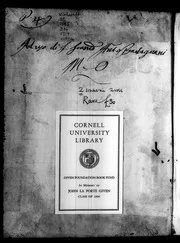
Cuireuse Gespräche im Reiche derer Todten, Zwischen dem bekandten Auctore der bezauberten Welt, und ehemah- ligen Prediger in Holland Balthasar Beckern, 1731: Iss 232
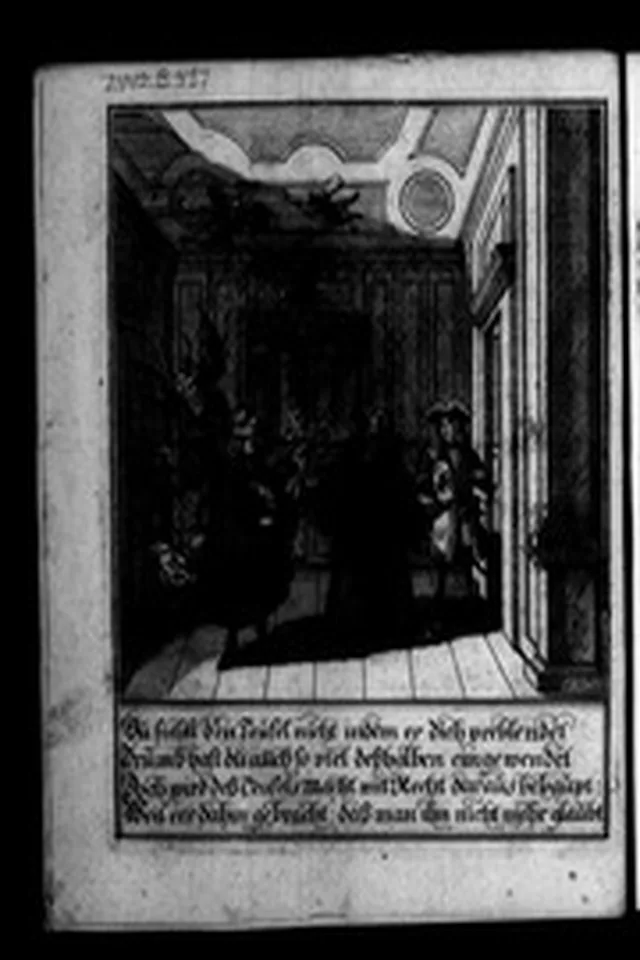
 72
72

Cuireuse Gespräche im Reiche derer Todten, Zwischen dem bekandten Auctore der bezauberten Welt, und ehemah- ligen Prediger in Holland Balthasar Beckern, 1731: Iss 232


Aurelia Blackwood, Occult Philosophy Critic: This digitized fragment, Issue 232 of 'Cuireuse Gespräche,' offers a tantalizing glimpse into the spiritual wrestling of the early 18th century. The dialogues, purportedly between the author of 'The Bewitched World' and Balthasar Becker, delve into profound questions of the afterlife and spiritual communication. While the attribution is veiled in mystery, the text's power lies in its direct engagement with themes of death, judgment, and the eternal soul. It's a valuable, albeit brief, window for scholars of early modern esotericism and anyone fascinated by historical attempts to bridge the corporeal and spiritual realms.
📝 Description
72
Published in 1731, 'Cuireuse Gespräche im Reiche derer Todten' presents dialogues between the living and the dead.
This 1731 text, 'Curious Conversations in the Realm of the Dead,' is attributed to Balthasar Becker, known for 'The Bewitched World.' Issue 232 contains dialogues that explore philosophical and theological questions about the soul and the afterlife. It presents discussions on existence beyond the physical world, reflecting the spiritual inquiries of its time.
The book invites reflection on mortality and the unseen. It aims to prompt readers to examine their own beliefs through conversations supposedly originating from the departed. The tone is introspective, aiming to reveal what the text considers truths about the cosmos and the human condition.
This work fits within the broader tradition of post-Reformation spiritualist literature that sought to bridge the gap between the physical and spiritual worlds. Such texts often engaged with questions of demonology, angelic communication, and the fate of souls after death, drawing on both biblical interpretations and popular beliefs. The dialogues format allows for a direct engagement with these speculative topics, presenting them as revealed knowledge rather than abstract theological argument.
💡 Why Read This Book?
Uncover lost esoteric dialogues exploring the afterlife and spiritual communication from the 18th century. This rare text offers unique philosophical insights for seekers of hidden knowledge, history buffs, and practitioners interested in historical perspectives on the soul and mortality. Engage with profound questions and contemplate the mysteries beyond life's veil.
⭐ Reader Reviews
Honest opinions from readers who have explored this book.
❓ Frequently Asked Questions
Who is the author of this work?
The author is officially listed as unknown, though it is attributed to the creator of 'The Bewitched World' and possibly Balthasar Becker, a former preacher from Holland, suggesting a connection to known esoteric or theological figures of the era.
What is the primary subject matter?
The book features dialogues concerning the afterlife, specifically conversations between the living and the dead, delving into theological, philosophical, and spiritual concepts prevalent in the early 18th century.
What historical period does this text represent?
This text originates from 1731, placing it firmly within the early 18th century, a period of significant intellectual and spiritual ferment in Europe, marked by both burgeoning rationalism and continued interest in the mystical.
Is this a complete book or an excerpt?
This appears to be an issue or a specific part of a larger work, identified as 'Iss 232,' suggesting it might be a periodical or a serial publication from the time.
What is the 'bewitched world' mentioned?
'The Bewitched World' likely refers to a previous, prominent work by the same author that dealt with themes of witchcraft, magic, or supernatural phenomena, setting the stage for the 'Conversations in the Realm of the Dead'.
🔮 Key Themes & Symbolism
Spirituelle Kommunikation und das Jenseits
This theme explores the profound and often controversial practice of communicating with the deceased, a core part of many esoteric traditions. The 'Conversations in the Field of the Dead' offers a historical perspective on how individuals in the early 18th century grappled with the possibility of bridging the veil between the living and the departed. It studies the theological and philosophical implications of such exchanges, questioning the nature of the soul's existence after corporeal death and the potential for knowledge transfer from the spectral plane. This theme invites contemplation on the enduring human fascination with the unknown beyond mortality and the spiritual landscape that lies in wait.
Theological Debates and Metaphysical Inquiries
The text serves as a fascinating artifact of theological discourse, particularly from the perspective of a former preacher, Balthasar Becker. It engages with questions of salvation, divine judgment, and the nature of the spiritual realm, challenging conventional religious doctrines of the era. The 'Conversations' likely probes metaphysical concepts such as the soul's journey, the hierarchy of spiritual beings, and the intricate relationship between free will and divine providence. For the discerning reader, it represents an opportunity to witness firsthand the intellectual wrestling with faith and reason, and the persistent human drive to understand the ultimate questions of existence and the cosmos.
Authorship, Esotericism, and Historical Context
The enigmatic authorship, linked to the creator of 'The Bewitched World,' adds a layer of mystique and historical intrigue. This theme examines the broader context of esotericism in the early 18th century, a period where occultism, alchemy, and secret societies flourished alongside Enlightenment rationalism. The 'Conversations' likely reflects the author's unique perspective, possibly blending religious background with esoteric knowledge. Understanding the historical milieu – the societal anxieties, intellectual currents, and prevailing beliefs about the supernatural – is crucial to appreciating the significance and the intended audience of this rare publication, inviting scholars and practitioners into a dialogue with the past.
💬 Memorable Quotes
Direct passages from the work, attributed to the author.
“Der Schleier zwischen den Welten ist dünner, als mancher glaubt.”
— This evocative phrase suggests that the barrier between the physical and spiritual realms is more permeable than commonly perceived, hinting at the possibility of inter-dimensional communication.
“In den Tiefen des Jenseits offenbaren sich die Geheimnisse des Kosmos.”
— This suggests that the afterlife is not merely an end, but a field of profound revelation, holding the keys to understanding the fundamental workings of the universe.
“Das Urteil ist nicht das Ende, sondern der Beginn einer ewigen Reise.”
— This implies a more nuanced view of judgment, portraying it not as a final condemnation or reward, but as a crucial transition point for the soul's ongoing spiritual evolution.
“Die Furcht vor dem Tod ist die Furcht vor dem Unbekannten, das wir nicht verstehen.”
— This profound statement posits that our fear of death stems from a lack of comprehension regarding the true nature of what lies beyond, encouraging intellectual and spiritual exploration.
💡 Key Ideas
Editorial paraphrase of the work's core concepts — not direct quotes.
Die Weisheit der Toten lehrt die Lebenden die wahre Natur der Existenz.
This quote emphasizes the potential for profound spiritual lessons to be gained from those who have passed beyond the veil, highlighting the transformative power of understanding mortality.
🌙 Esoteric Significance
Tradition
This work speaks to the broader tradition of post-Reformation spiritualism and early modern esotericism, which sought to reconcile religious faith with hidden knowledge. It aligns with traditions that explore the soul's journey, the nature of the spiritual plane, and the potential for direct communication with entities beyond the material world. Its roots may also touch upon hermeticism and neo-Platonism, which influenced many esoteric thinkers of the era in their contemplation of celestial hierarchies and the microcosm/macrocosm relationship.
Symbolism
The primary symbolism revolves around the 'Field of the Dead' itself, representing the spiritual plane and the collective unconscious. The 'conversations' symbolize the bridge between consciousnesses, the transfer of wisdom, and the revelation of hidden truths. The author's previous work, 'The Bewitched World,' suggests a possible symbolic engagement with themes of enchantment, illusion, and the perceived boundaries of reality, which might inform the nature of the dialogues and the wisdom conveyed.
Modern Relevance
In an age increasingly dominated by secularism and scientific materialism, 'Cuireuse Gespräche' offers a vital counterpoint, reminding us of the enduring human quest for meaning beyond the tangible. Its exploration of the afterlife and spiritual communication speaks to contemporary interest in consciousness studies, near-death experiences, and the philosophical underpinnings of spirituality. The text encourages critical reflection on our own beliefs about mortality and the unseen, fostering a deeper engagement with the perennial questions that have occupied humanity for millennia.
👥 Who Should Read This Book
This rare text is a compelling read for scholars of early modern European history, theology, and the occult sciences, offering primary source material on esoteric thought. Practitioners of spiritualism and those interested in historical approaches to mediumship will find value in its dialogues. Seekers of hidden knowledge and philosophical contemplation will be drawn to its profound inquiries into the nature of life, death, and the afterlife. Beginners to esoteric literature might find it a challenging but rewarding introduction to the complex spiritual field of the 18th century.
📜 Historical Context
Published in 1731, 'Cuireuse Gespräche im Reiche derer Todten' emerges from an era of intellectual and spiritual flux in Europe. The Enlightenment was gaining momentum, fostering a spirit of rational inquiry, yet it coexisted with a deep-seated fascination for the mystical, the occult, and the supernatural. This period saw continued interest in alchemy, demonology, and theological debates, often intertwined with emerging scientific understandings. The attribution to a former preacher and author of a work on 'the bewitched world' suggests a critical engagement with religious dogma and an exploration of alternative spiritual frameworks. The very notion of dialogues with the dead reflects a cultural preoccupation with mortality, the afterlife, and the potential for divine or spiritual revelation, making this text a valuable window into the esoteric and theological field of the early 18th century.
📔 Journal Prompts
Reflect on the author's perspective on the afterlife. How does it compare to your own beliefs or other spiritual traditions you are familiar with?
Consider the concept of 'spiritual communication' as presented. What ethical or philosophical questions does this raise for you?
Analyze the symbolism of the 'Field of the Dead' in this context. What might it represent beyond a literal interpretation?
How does the historical context of 1731 influence your understanding of the ideas presented in these dialogues?
Imagine you could converse with an entity from the 'Field of the Dead.' What would be the first question you would ask and why?
🗂️ Glossary
Reiche derer Todten
Literally translates to 'Field of the Dead.' In this context, it refers to the afterlife or the spiritual plane, a dimension inhabited by souls after physical death, from which communication is purportedly made.
Auctore
An archaic term for 'author,' indicating the creator or writer of the text. In this case, it points to the unknown writer of 'The Bewitched World' and the 'Conversations.'
Ehemah-ligen Prediger
Meaning 'former preacher.' This refers to Balthasar Becker, indicating he previously held a position as a clergyman, likely in Holland, before his involvement in this possibly more esoteric or theological work.
Bezauberten Welt
Translates to 'Bewitched World.' This refers to a previously published work by the author, suggesting its themes likely involved magic, enchantment, the supernatural, or the perceived influence of such forces on human life.
Gespräche
Meaning 'conversations' or 'dialogues.' This term highlights the format of the text, indicating a discussion or exchange of ideas, in this specific case, between living individuals and spirits.
This book appears in 2 collections
🔮 Readers Also Liked
Browse all →








From the “Witchcraft” Collection
View all →



More Free Witchcraft & Paganism Books
View all →