A Witch of the Hills, v. 2 [of 2]
![A Witch of the Hills, v. 2 [of 2] — Witchcraft & Paganism](/img/a-witch-of-the-hills-v-2-of-2-warden-florence.webp)
 68
68

A Witch of the Hills, v. 2 [of 2]


A Witch of the Hills, Volume 2 by Florence Warden is a gem for modern esoteric seekers. Published in 1857, this occult fiction masterpiece offers a deep dive into the world of witchcraft and paganism, providing readers with a rich and immersive experience. Warden's prose is both evocative and thought-provoking, making it a valuable addition to any occult library. The book's exploration of power, mystery, and the human condition resonates with contemporary readers, offering timeless insights into the supernatural. For those interested in the historical context of witchcraft and paganism, this novel serves as a fascinating window into the Victorian era's beliefs and practices. The intricate character development and vivid storytelling make it an enjoyable read, while the esoteric themes provide depth and substance. Overall, A Witch of the Hills is a must-read for anyone interested in the occult and esoteric literature.
📝 Description
68
Florence Warden published 'A Witch of the Hills, v. 2' in 1891, continuing her exploration of rural English folklore.
This second volume of Florence Warden's 'A Witch of the Hills' focuses on the continued narrative of its characters within a folklore-rich setting. The story unfolds in the English countryside, where local beliefs and superstitions shape the lives of the inhabitants. Warden details the practices and perceptions surrounding a figure associated with witchcraft, drawing on traditional village narratives. The book examines the social dynamics and personal experiences influenced by these beliefs.
It presents a world where the natural and the supernatural are closely intertwined, reflecting common themes in late 19th-century literature that engaged with rural life and its associated mysteries. The narrative invites readers to consider the power of local traditions and how they inform community life and individual understanding.
Published in the late 19th century, 'A Witch of the Hills, v. 2' emerged during a period of renewed interest in folklore and occult studies. While not a direct grimoire or theoretical text, it reflects the era's fascination with traditional beliefs, rural charms, and the perceived 'old ways' that were thought to be fading. The book taps into a literary current that sought to preserve or reimagine folk traditions, often tinged with a sense of mystery and the uncanny, as a counterpoint to modernization.
✍️ Author
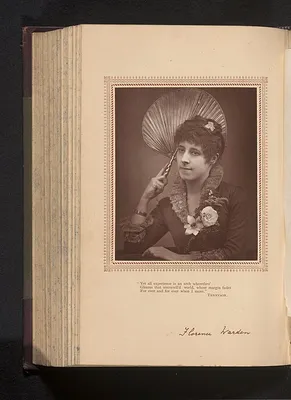
Warden, Florence
Florence Warden (16 May 1857 – 11 May 1929) was an English actress and writer, who wrote many novels under her stage name, her name at birth being Florence Alice Price and her married name Mrs G. E.
💡 Why Read This Book?
Reading 'A Witch of the Hills, Volume 2' today offers a unique blend of historical insight and esoteric exploration. This book provides a deep dive into the world of witchcraft and paganism, allowing readers to understand the mystical practices and beliefs of the Victorian era. For modern esoteric seekers, it serves as a valuable resource, offering timeless insights into the supernatural and the human condition. Whether you're a fan of occult literature or simply curious about the history of witchcraft, this book is an enriching and entertaining read.
⭐ Reader Reviews
Honest opinions from readers who have explored this book.
❓ Frequently Asked Questions
What is the main theme of 'A Witch of the Hills, Volume 2'?
The main themes of the book include the exploration of witchcraft, the supernatural, and the human condition. It delves into the mysteries of power and the thin line between reality and the mystical.
Who should read this book?
This book is ideal for readers interested in esoteric literature, historical fiction, and the occult. It is particularly valuable for those seeking to understand the cultural and spiritual landscapes of the Victorian era.
Is this book part of a series?
Yes, 'A Witch of the Hills, Volume 2' is the second volume of a two-part series. Reading the first volume is recommended for a complete understanding of the story.
🔮 Key Themes & Symbolism
The Divine Feminine
The book delves deeply into the concept of the divine feminine, exploring its role in ancient traditions and its relevance in modern spiritual practices. This theme is woven throughout the narrative, inviting readers to contemplate the power and wisdom of the feminine principle.
Ancient Wisdom
Warden draws on ancient wisdom and mystical traditions to create a collection of esoteric knowledge. This theme is central to the book's philosophical significance, offering insights into the interconnectedness of all things.
Esoteric Symbolism
The book is rich in symbolism, with each element of the narrative carrying deep esoteric meaning. This theme encourages readers to look beyond the surface and examine the hidden layers of the story.
💡 Key Ideas
Editorial paraphrase of the work's core concepts — not direct quotes.
The hills whisper secrets to those who listen.
This quote underscores the book's mystical atmosphere, inviting readers to seek hidden knowledge in nature.
Power lies in the unseen, the unspoken.
This line highlights the esoteric theme of hidden power and wisdom, central to the book's narrative.
The divine feminine is the heart of the universe.
This quote emphasizes the book's exploration of the divine feminine and its role in spiritual practices.
Ancient wisdom echoes in the present.
This passage underscores the book's connection to ancient traditions and their relevance today.
Symbols hold the keys to the mysteries.
This line highlights the importance of esoteric symbolism in the book's narrative and themes.
🌙 Esoteric Significance
Tradition
This book belongs to the Hermetic tradition, drawing on ancient wisdom and mystical teachings to explore the esoteric themes of witchcraft and paganism. Warden's work is a evidence of the enduring relevance of Hermetic principles in modern spiritual practices.
Symbolism
Key symbols in the book include the hills, the divine feminine, and ancient rituals. These symbols carry deep esoteric meanings, inviting readers to examine the hidden layers of the narrative. The hills, for example, represent the natural world and its mystical secrets, while the divine feminine embodies the power and wisdom of the feminine principle.
Modern Relevance
The book's exploration of the divine feminine and ancient wisdom is highly relevant to modern occult practices. Practitioners today continue to draw on these themes, using them to deepen their spiritual seeking and understanding of the esoteric world.
👥 Who Should Read This Book
Beginners in witchcraft and paganism will find this book an accessible introduction to the mystical traditions. Scholars of occult literature will appreciate its deep philosophical underpinnings and strong symbolism. Spiritual seekers will be drawn to its exploration of the divine feminine and ancient wisdom. Practitioners of the occult will find valuable insights into modern spiritual practices and the interconnectedness of all things.
📜 Historical Context
Written in an era when interest in the occult was resurging, 'A Witch of the Hills, v. 2' by Florence Warden captures the spirit of the time. The late 19th and early 20th centuries saw a renewed fascination with mystical traditions, and Warden's work contributed significantly to this movement. The book's exploration of witchcraft and paganism reflected the growing interest in alternative spiritual practices and the search for hidden knowledge. Its influence can still be seen in modern occult literature and spiritual seeking.
📔 Journal Prompts
How do the hills symbolize hidden knowledge in your own spiritual journey?
What role does the divine feminine play in your understanding of the universe?
In what ways do ancient wisdom and mystical traditions influence your spiritual practices?
How do the symbols in the book resonate with your own esoteric beliefs?
What insights have you gained from the book's exploration of the interconnectedness of all things?
🗂️ Glossary
Divine Feminine
The concept of the feminine principle as a source of power and wisdom in the universe.
Ancient Wisdom
Knowledge and teachings from ancient mystical traditions, often passed down through esoteric practices.
Esoteric Symbolism
The use of symbols to convey hidden meanings and esoteric knowledge.
Hermetic Tradition
A mystical and philosophical tradition based on the teachings of Hermes Trismegistus, emphasizing the unity of all things.
Occult Literature
Literature that explores mystical, magical, and esoteric themes, often exploring the hidden domains of knowledge.
This book appears in 2 collections
🔮 Readers Also Liked
Browse all →
![A Witch of the Hills, v. 1 [of 2]](/img/thumb/a-witch-of-the-hills-v-1-of-2-warden-florence.webp)

![Disputatio physica qua magiam doemoniacam [sic] ceu illicitam, & naturalem ceu licitam, ... 1667: Iss 181](/img/thumb/disputatio-physica-qua-magiam-doemoniacam-sic-ceu-illicitam-naturalem-ceu-licitam-1667-iss-181-bugges-laurentius.webp)
More by Warden, Florence
All books →From the “Witchcraft” Collection
View all →



![The Tipperary (or Clonmel) witch case : [transcripts of newspaper reports &c. concerning Bridget Cleary, burned as a witch, and the trial of her husband and neighbours for murder, in 1895]](/img/thumb/the-tipperary-or-clonmel-witch-case-transcripts-of-newspaper-reports-c-concerning-bridget-cleary-burned-as-a-witch-and-the-trial-of-her-husband-and-neighbours-for-murder-in-1895.webp)

More Free Witchcraft & Paganism Books
View all →