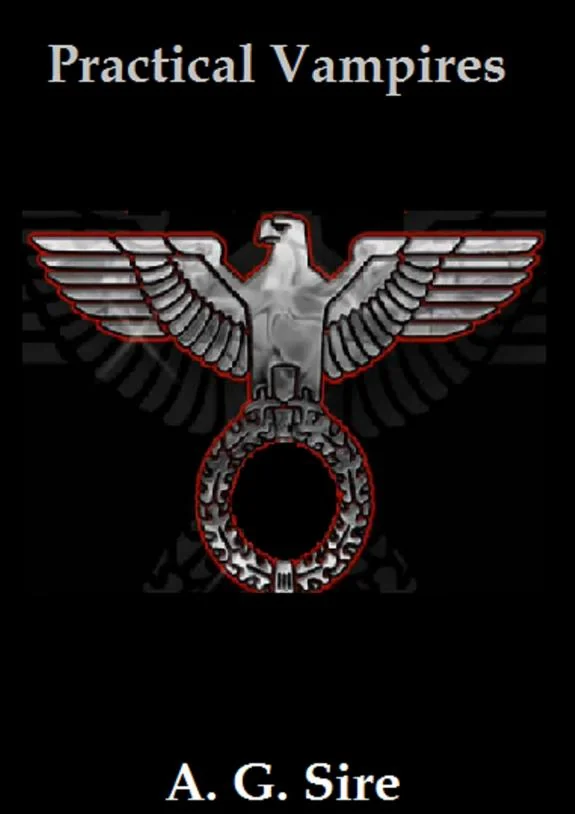
Practical Vampires
 71
71

Practical Vampires
A. G. Sire’s Practical Vampires is not a handbook for the casually curious; it is an earnest, if at times opaque, treatise on a specific esoteric path. The book’s primary strength lies in its ambition to codify what it presents as a complex initiatory system, moving from foundational acceptance to what is termed the "Sixth Generation of Vampiric Transformation." This structured approach is a welcome departure from more nebulous occult writings. However, the work suffers from a lack of concrete historical anchoring; while it speaks of "our ways" and "history," these are presented as self-contained narratives without robust engagement with external scholarship or verifiable historical vampiric movements. A particularly striking passage details the "Rite of the Sixth Generation," which, while evocative, remains abstract without further context or illustrative examples. The ultimate value of Practical Vampires hinges on the reader’s willingness to accept its internal logic and claims without extensive external validation. It offers a glimpse into a particular subculture's esoteric framework, but its isolation from broader intellectual discourse limits its reach.
📝 Description
71
Published on October 6, 2012, Practical Vampires claims to be the first book detailing vampiric practices openly.
A. G. Sire's Practical Vampires offers a methodical guide to understanding and practicing vampiric philosophy. The book moves from initial self-acceptance to more advanced stages, which it calls the "Sixth Generation of Vampiric Transformation." It addresses practitioners interested in the historical background and structured initiation within this path.
The text is written for those seriously investigating vampirism as an esoteric path. It provides a framework for development, aiming to go beyond surface-level ideas. The book seems intended for individuals exploring "vampiric transformation" as a form of spiritual or energetic growth.
This work emerged during a period of renewed interest in occultism and esoteric traditions. It aligns with contemporary explorations of energy work and alternative spiritual paths that often reinterpret older mythologies. The book's focus on self-deification and energetic evolution places it within a lineage of modern magical practices.
💡 Why Read This Book?
• Understand the structured "Vampiric Transformation" as presented by A. G. Sire, moving beyond folklore to explore its initiatory stages and "Sixth Generation" concepts. • Gain insight into the historical claims made within the text regarding the "history of our ways," which the book asserts are being published openly for the first time. • Engage with the "Great Work and Rite" as described, offering a unique perspective on collective or individual esoteric undertakings within this specific tradition.
⭐ Reader Reviews
Honest opinions from readers who have explored this book.
❓ Frequently Asked Questions
What is the "Sixth Generation of Vampiric Transformation" mentioned in Practical Vampires?
The "Sixth Generation of Vampiric Transformation" refers to an advanced stage within the initiatory system detailed in Practical Vampires, representing a significant evolutionary step for practitioners of this specific vampiric path.
Is Practical Vampires a fictional story or a guide to real practices?
Practical Vampires is presented as a guide to esoteric practices and philosophy, not as fiction. It claims to detail historical "ways" and initiatory stages within a specific vampiric tradition.
When was Practical Vampires first published?
Practical Vampires was first published on October 6, 2012, by A. G. Sire.
Does the book discuss the history of vampirism in folklore?
The book claims to cover the "history of our ways," suggesting a focus on the internal history of the tradition it represents, rather than a broad survey of historical folklore about vampires.
What is the "Great Work and Rite" mentioned in the blurb?
The "Great Work and Rite" refers to a significant undertaking or ceremony central to the vampiric tradition discussed in Practical Vampires, implying a goal or process of profound transformation.
Who is the author, A. G. Sire?
A. G. Sire is the author of Practical Vampires, first published in 2012. Little public biographical information is readily available, positioning the author within the mystique of the work itself.
🔮 Key Themes & Symbolism
Vampiric Transformation
This theme centers on the concept of "Vampiric Transformation" as a developmental process. The book outlines distinct stages, beginning with an "initiatory stage of acceptance" and progressing through what it terms the "Sixth Generation." This suggests a structured, evolutionary path for practitioners, moving beyond simplistic notions of vampirism towards a defined esoteric goal. The work posits this transformation as a fundamental aspect of its tradition, distinct from mere folklore.
Initiatory Structure
A core element is the structured nature of the "Great Work and Rite." The book presents itself as a guide through an established initiatory path, detailing progression from initial acceptance to advanced states. This implies a pedagogical framework designed for adherents seeking to understand and participate in the specific practices and philosophy of this vampiric tradition.
Hidden History
Practical Vampires claims to unveil previously unpublished information about the "history of our ways." This theme suggests the book acts as a conduit for esoteric knowledge that has been kept private or is not widely known. The assertion that "Never before has such an item been published in the world of men" highlights its purported exclusivity and importance within its specific context.
Esoteric Practice
The book is fundamentally about esoteric practice, framed by concepts like the "Great Work and Rite." It aims to instruct readers on how to engage with the principles of this vampiric path, implying that the "transformation" is achieved through dedicated practice and adherence to specific rites and teachings presented within the text.
💬 Memorable Quotes
Direct passages from the work, attributed to the author.
“The initiatory stage of acceptance, through to the Sixth Generation of Vampiric Transformation.”
— This phrase expresses the book's core promise: a structured, progressive path of development within a defined vampiric tradition, moving from basic acknowledgment to advanced evolution.
“Never before has such an item been published in the world of men.”
— This statement emphasizes the perceived novelty and secrecy surrounding the knowledge presented, positioning the book as a unique and potentially controversial revelation of esoteric lore.
“Learn the history of our ways and join us in our Great work and Rite.”
— This is a direct invitation to the reader to engage with the book's narrative of history and to participate in the collective or individual spiritual endeavor it describes.
“Practical Vampires covers the initiatory stage of acceptance.”
— This highlights the foundational aspect of the book, indicating that it begins with the fundamental steps required for anyone seeking to understand or practice the path it outlines.
“A. G. Sire (first published 2012-10-06)”
— This factual citation provides concrete details about the author and the initial publication date, grounding the work in a specific time and authorial presence.
🌙 Esoteric Significance
Tradition
This work appears to align with modern esoteric traditions that explore self-transformation and energetic development, possibly drawing from currents within Western occultism that focus on personal gnosis and identity alteration. It departs from overtly religious or ritualistic structures, emphasizing a path of "Vampiric Transformation" that suggests an internal, evolutionary process rather than adherence to external dogma. It can be seen as an offshoot of modern magical thought that seeks to reclaim and recontextualize archetypal figures.
Symbolism
The "Sixth Generation" concept likely symbolizes a profound evolutionary leap or mastery within the practitioner's path. The "Great Work and Rite" serves as a symbol for the dedicated, transformative undertaking central to this tradition, representing a unified process of spiritual or energetic alchemy. The "initiatory stage of acceptance" symbolizes the foundational threshold, marking the conscious decision to engage with this specific esoteric path.
Modern Relevance
Contemporary practitioners interested in identity-based spirituality, self-deification, and non-traditional energetic pathways may find Practical Vampires relevant. Thinkers exploring the evolution of occultism in the digital age, and those examining subcultural spiritual movements that reinterpret ancient archetypes, could also draw from its unique claims and structured approach to vampiric identity.
👥 Who Should Read This Book
• Serious students of modern esoteric traditions seeking structured initiatory frameworks beyond common occultism. • Individuals exploring alternative spiritual identities and the concept of energetic or spiritual "transformation" as a developmental process. • Researchers of subcultural occult movements interested in contemporary self-defined spiritual paths and their internal mythologies.
📜 Historical Context
Practical Vampires emerged in 2012, a period marked by widespread internet accessibility to esoteric information and a burgeoning interest in subcultural spiritualities. While the book itself does not engage directly with contemporary academic discourse on folklore or historical vampirism, its subject matter places it within a lineage of modern occultism that often reinterprets older mythologies. The late 20th and early 21st centuries saw various groups and individuals exploring alternative identities and spiritual paths, including those that draw inspiration from vampiric archetypes, often distinct from traditional folkloric depictions. For instance, authors like Anne Rice, though fictional, had popularized a more romanticized and complex view of vampires in popular culture, potentially influencing the cultural milieu from which such works arise. The book's claim of unprecedented publication suggests a deliberate separation from more mainstream or historically documented occult traditions, aiming to present a distinct, perhaps insular, system of belief and practice.
📔 Journal Prompts
The "initiatory stage of acceptance" as a first step in the "Vampiric Transformation"—what does this imply for personal readiness?
Reflect on the assertion that the "history of our ways" has never before been published; what does this claim suggest about the tradition?
Consider the concept of the "Sixth Generation of Vampiric Transformation"; what might such advanced stages entail?
Analyze the role of the "Great Work and Rite" in the context of personal esoteric development.
How does the idea of "transformation" presented here differ from common understandings of spiritual growth?
🗂️ Glossary
Vampiric Transformation
A progressive, multi-stage process of personal and energetic evolution described in the book, moving from initial acceptance to advanced states.
Sixth Generation
An advanced level or stage within the "Vampiric Transformation" process, representing a significant degree of development or mastery.
Initiatory Stage of Acceptance
The foundational phase of engagement with the vampiric path, involving a conscious decision to acknowledge and begin exploring its principles and practices.
Great Work and Rite
A central undertaking or ceremony within the described tradition, implying a significant collective or individual effort towards transformation.
History of our ways
Refers to the internal historical narrative and lineage of the specific vampiric tradition presented in the book, claimed to be largely unpublished.
A. G. Sire
The author of Practical Vampires, whose identity is presented primarily through their work.
2012-10-06
The original publication date of Practical Vampires, marking its emergence in the contemporary esoteric landscape.
This book appears in 1 collection
🔮 Readers Also Liked
Browse all →







From the “Pranic Healing” Collection
View all →








More Free Sacred Texts & Gnosticism Books
View all →