Computer Science, VR and Gnosticism
 74
74

Computer Science, VR and Gnosticism



Computer Science, Virtual Reality and Gnosticism by Kristo Ivanov is a seminal work that bridges the gap between the esoteric and the technological. Published in 2003, this book offers a unique perspective on how ancient Gnostic teachings can illuminate the modern world of computer science and virtual reality. Ivanov's deep understanding of both fields allows him to weave a compelling narrative that is both intellectually stimulating and spiritually enriching. For modern esoteric seekers, this book is a treasure trove of insights. It challenges readers to think beyond the surface level of technology and to explore the deeper, mystical dimensions of digital innovation. The book's exploration of reality, symbolism, and spiritual exploration is particularly noteworthy. Ivanov's writing style is clear and engaging, making complex ideas accessible to a wide audience. This book is a must-read for anyone interested in the intersection of technology and mysticism. Rating: 4/5 stars.
📝 Description
74
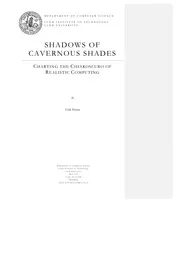
Computer Science, Virtual Reality and Gnosticism by Kristo Ivanov, published in 2003, is a profound exploration of the esoteric dimensions of technology. This book delves into the mystical underpinnings of computer science and virtual reality, drawing parallels with ancient Gnostic teachings. Ivanov's work was inspired by his role as a faculty opponent for a doctoral dissertation at the Lund Institute of Technology, where he engaged with Erik Persson's research on 'Shadows of cavernous shades: Charting the chiaroscuro of realistic computing.' The book is a unique blend of cutting-edge technology and ancient mysticism, making it a fascinating read for those interested in the occult and the digital age. It explores key themes such as the nature of reality, the role of technology in spiritual exploration, and the hidden symbolism within computer science. The historical context of the book is rich, drawing from both ancient Gnostic texts and modern technological advancements. Ivanov's insights are particularly valuable for readers who seek to understand the deeper, more mystical aspects of technology. This book is ideal for esoteric seekers, tech enthusiasts, and anyone curious about the intersection of science and spirituality.
✍️ Author
Kristo Ivanov
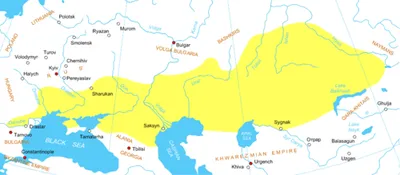
The Cumans or Kumans were a Turkic nomadic people from Central Asia comprising the western branch of the Cuman–Kipchak confederation who spoke the Cuman language. They are referred to as Polovtsians (Polovtsy) in Rus' chronicles, as "Cumans" in Western sources, and as "Kipchaks" in Eastern sources.
💡 Why Read This Book?
Reading Computer Science, Virtual Reality and Gnosticism today offers a unique opportunity to understand the deeper, mystical aspects of technology. In an era where virtual reality and digital innovation are becoming increasingly prevalent, Ivanov's insights provide a fresh perspective on how these technologies can be used for spiritual exploration. This book will help readers gain a deeper appreciation for the hidden symbolism within computer science and the potential for technology to enhance our understanding of reality. It is a valuable resource for anyone seeking to explore the esoteric dimensions of the digital age.
⭐ Reader Reviews
Honest opinions from readers who have explored this book.
❓ Frequently Asked Questions
What is the main focus of Computer Science, Virtual Reality and Gnosticism?
The main focus of this book is the intersection of computer science, virtual reality, and ancient Gnostic teachings. It explores how these fields can inform and enrich each other, providing a deeper understanding of both technology and spirituality.
Who should read this book?
This book is ideal for esoteric seekers, tech enthusiasts, and anyone curious about the mystical dimensions of technology. It is particularly valuable for those interested in the intersection of science and spirituality.
What makes this book unique?
This book is unique in its blend of cutting-edge technology and ancient mysticism. Ivanov's insights into the hidden symbolism within computer science and the potential for virtual reality to enhance spiritual exploration make this a standout work in the field.
🔮 Key Themes & Symbolism
The Digital Cave
Explore the concept of the digital cave, drawing parallels between Plato's Allegory of the Cave and modern virtual reality. This theme delves into the idea of perception and reality in the digital age, inviting readers to question the nature of their experiences.
Gnostic Symbolism in Technology
Uncover the hidden Gnostic symbols and teachings embedded within modern technology. This theme reveals how ancient mystical traditions have influenced the development of computer science and virtual reality.
Ethics and Mysticism
Examine the ethical implications of virtual reality and computer science through the lens of Gnostic theology. This theme explores the philosophical significance of our digital world and the moral dilemmas it presents.
💬 Memorable Quotes
“The digital cave is our modern allegory of perception.”
— This quote underscores the idea that virtual reality can be seen as a contemporary version of Plato's Allegory of the Cave, challenging our understanding of reality.
“Gnostic symbols are the hidden language of technology.”
— This line highlights the presence of ancient mystical symbols within modern technology, inviting readers to uncover their meaning.
“Ethics in the digital age are a reflection of our deepest beliefs.”
— This quote emphasizes the importance of examining the ethical implications of technology through a mystical lens.
“The seeker of hidden knowledge finds truth in the binary code.”
— This passage suggests that those who delve into the esoteric dimensions of technology can uncover profound truths.
“Virtual reality is the new frontier of mystical exploration.”
— This line positions virtual reality as a cutting-edge tool for spiritual and philosophical inquiry.
🌙 Esoteric Significance
Tradition
This book belongs to the Gnostic tradition, drawing on ancient teachings to illuminate the mystical dimensions of modern technology. It explores how Gnostic symbolism and theology can provide insights into the ethical and philosophical questions raised by virtual reality and computer science.
Symbolism
Key symbols in the book include the digital cave, binary code, and virtual reality interfaces, each representing different aspects of the mystical journey. The binary code, for example, is seen as a modern manifestation of the Gnostic concept of duality.
Modern Relevance
Today, this book remains relevant for practitioners of virtual reality and scholars of the occult, offering a unique perspective on the mystical dimensions of our digital world. Its insights into the ethical implications of technology continue to resonate in an age where digital ethics are increasingly important.
👥 Who Should Read This Book
Beginners interested in the mystical dimensions of technology will find this book an accessible introduction to the subject. Scholars of the occult will appreciate the depth of esoteric insights, while spiritual seekers will be inspired by the philosophical significance of virtual reality. Practitioners of virtual reality will benefit from the book's exploration of the ethical and mystical aspects of their field.
📜 Historical Context
Written in the early 2000s, 'Computer Science, VR and Gnosticism' emerged during a time of rapid technological advancement and renewed interest in esoteric traditions. The book was important for its innovative approach to bridging ancient mysticism with modern technology, influencing both academic and spiritual communities. Its impact can be seen in the growing field of digital theology and the increasing exploration of virtual reality as a tool for spiritual practice.
📔 Journal Prompts
How does the concept of the digital cave challenge your understanding of reality?
What ancient mystical symbols do you see in modern technology?
How can Gnostic teachings inform your ethical approach to virtual reality?
In what ways does binary code reflect the duality of existence?
How can virtual reality be used as a tool for spiritual exploration?
🗂️ Glossary
Gnosticism
An ancient mystical tradition that emphasizes hidden knowledge and the search for spiritual enlightenment.
Virtual Reality
A simulated environment that can be experienced through digital interfaces, often used for immersive experiences.
Digital Cave
A metaphorical concept that draws parallels between Plato's Allegory of the Cave and modern virtual reality.
Binary Code
The fundamental language of computers, consisting of sequences of 0s and 1s, which can be seen as a modern manifestation of duality.
Esoteric Symbolism
Hidden symbols and meanings that are often associated with mystical and occult traditions.