Shingon: Japanese Esoteric Buddhism
 79
79

Shingon: Japanese Esoteric Buddhism

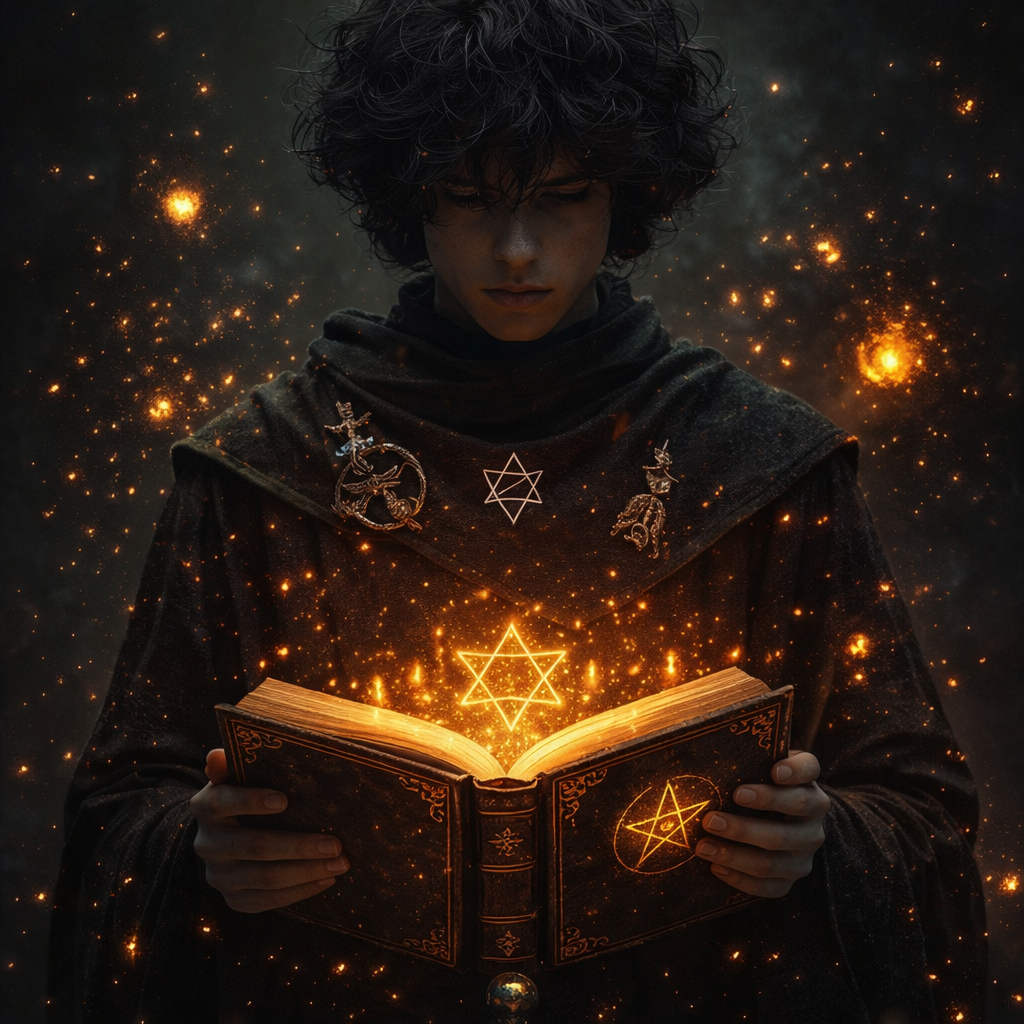

Taiko Yamasaki's Shingon: Japanese Esoteric Buddhism is a treasure trove for those delving into the mystical and esoteric aspects of Buddhism. The book meticulously unravels the intricate practices and philosophies of Shingon, offering readers a rare glimpse into a tradition that has long been shrouded in secrecy. Yamasaki's clear and engaging writing style makes complex esoteric concepts accessible, making this text invaluable for both novice and experienced practitioners. The historical context provided enriches the understanding of Shingon's place within Japanese Buddhism, while the practical insights into rituals and meditations offer a tangible path for spiritual growth. For modern esoteric seekers, this book serves as a beacon, guiding them through the labyrinth of Tantric practices towards the ultimate goal of immediate enlightenment.
📝 Description
79
Shingon: Japanese Esoteric Buddhism by Taiko Yamasaki offers a profound exploration into the mystical teachings of Shingon, a Tantric Buddhist tradition that promises immediate enlightenment through specific practices of body, speech, and mind. For centuries, these esoteric doctrines were closely guarded secrets, passed only to initiates through oral tradition. However, starting in the 1940s, these ancient teachings began to be documented and made accessible to a wider audience, revealing the depth and richness of Shingon's spiritual practices. The book delves into the historical context of Shingon, tracing its origins and evolution within Japanese Buddhism. Key themes include the concept of attaining Buddhahood in this very lifetime, the importance of ritual and meditation, and the integration of esoteric symbols and mantras into daily spiritual practice. This book is essential for anyone interested in esoteric Buddhism, Tantric practices, and the deeper mystical traditions of Japan. It provides a comprehensive guide for modern seekers looking to understand and incorporate these ancient teachings into their spiritual journey.
✍️ Author
Taiko Yamasaki
Mitsuru Adachi (Japanese: あだち 充 or 安達 充, Hepburn: Adachi Mitsuru; born February 9, 1951) is a Japanese manga artist. After graduating from Gunma Prefectural Maebashi Commercial High School in 1969, Adachi worked as an assistant for Isami Ishii.
💡 Why Read This Book?
In today's fast-paced world, finding spiritual depth and meaning can be challenging. Shingon: Japanese Esoteric Buddhism by Taiko Yamasaki provides a timeless guide to achieving enlightenment through ancient Tantric practices. By reading this book, you will gain insights into the secret rituals and meditations of Shingon, empowering you to integrate these mystical teachings into your daily life. Whether you are a seasoned spiritual seeker or new to esoteric Buddhism, this book offers a pathway to deeper spiritual understanding and personal transformation.
⭐ Reader Reviews
Honest opinions from readers who have explored this book.
❓ Frequently Asked Questions
What is Shingon Buddhism?
Shingon Buddhism is a form of Japanese Esoteric Buddhism that focuses on Tantric practices to achieve enlightenment in this lifetime.
Who should read this book?
Anyone interested in esoteric Buddhism, Tantric practices, and the mystical traditions of Japan will find this book enlightening.
Are the teachings in this book accessible to beginners?
Yes, Taiko Yamasaki's clear writing style makes complex esoteric concepts accessible to both beginners and experienced practitioners.
🔮 Key Themes & Symbolism
Immediate Enlightenment
Shingon Buddhism teaches that enlightenment can be achieved in this very life through specific practices. This theme delves into the mystical techniques that allow practitioners to transcend ordinary consciousness and attain buddhahood.
Esoteric Rituals
The book explores the hidden rituals and practices of Shingon Buddhism, which have been guarded as secret knowledge for centuries. These rituals involve intricate symbolism and deep philosophical insights, making them a rich subject for spiritual seekers.
Symbolism and Mysticism
Shingon Buddhism is rich in symbolism, with each ritual and practice carrying profound mystical meanings. This theme examines the symbolic language of Shingon, revealing the hidden layers of its esoteric teachings.
💬 Memorable Quotes
“The path to enlightenment is hidden within the rituals of Shingon.”
— This quote underscores the esoteric nature of Shingon practices, which are designed to reveal hidden truths.
“In the dance of body, speech, and mind, the Buddha is born.”
— This line highlights the integrated approach of Shingon, where physical, verbal, and mental practices converge to achieve spiritual awakening.
“The secrets of Shingon have been whispered through the ages.”
— This quote emphasizes the ancient and mystical origins of Shingon teachings, passed down through generations of initiates.
“The mind is the temple where the Buddha resides.”
— This passage reflects the inner focus of Shingon, where the mind is the primary arena for spiritual transformation.
“Through esoteric knowledge, the veil of ignorance is lifted.”
— This quote speaks to the transformative power of esoteric teachings, which reveal the true nature of reality.
🌙 Esoteric Significance
Tradition
Shingon Buddhism belongs to the esoteric tradition of Tantric Buddhism, which emphasizes the use of rituals, mantras, and symbolic practices to achieve spiritual enlightenment. This tradition is rich in hidden knowledge and mystical symbolism, making it a fascinating subject for those interested in the occult philosophy of the East.
Symbolism
Key symbols in Shingon Buddhism include mandalas, mudras, and mantras, each carrying deep esoteric meanings. These symbols are used in rituals to invoke the presence of enlightened beings and to facilitate the practitioner's spiritual journey.
Modern Relevance
In today's world, Shingon Buddhism offers a path to inner transformation and spiritual enlightenment. Modern practitioners, including scholars and spiritual seekers, find in Shingon's esoteric teachings a source of inspiration and guidance for navigating the complexities of contemporary life.
👥 Who Should Read This Book
Beginners interested in the mystical traditions of the East will find 'Shingon: Japanese Esoteric Buddhism' to be an enlightening introduction. Scholars of Buddhist philosophy will appreciate the depth of esoteric knowledge presented. Spiritual seekers looking to deepen their understanding of esoteric practices will find valuable insights, while practitioners of Shingon will benefit from the book's detailed exploration of rituals and symbolism.
📜 Historical Context
Shingon Buddhism emerged during the Heian period in Japan, a time of great cultural and spiritual flourishing. Founded by the monk Kukai, Shingon teachings were kept secret and passed down through oral tradition to select initiates. The publication of these esoteric doctrines in the 1940s marked a significant shift, making them accessible to a wider audience. This book captures the essence of that ancient wisdom, providing a bridge between the mystical traditions of the past and the spiritual seekers of today.
📔 Journal Prompts
Reflect on the concept of immediate enlightenment. How does it differ from traditional Buddhist teachings?
Consider the role of symbolism in Shingon rituals. What symbols resonate with you and why?
Explore the idea of esoteric knowledge. How does it challenge or complement your existing beliefs?
Write about your experiences with meditation or other spiritual practices. How do they compare to Shingon's methods?
Imagine yourself as a practitioner of Shingon. What steps would you take to integrate its teachings into your daily life?
🗂️ Glossary
Mandala
A symbolic diagram used in Shingon rituals to represent the universe and facilitate spiritual transformation.
Mudra
A symbolic hand gesture used in Shingon practices to invoke the presence of enlightened beings.
Mantra
A sacred utterance used in Shingon rituals to focus the mind and achieve spiritual enlightenment.
Esoteric
Relating to or denoting knowledge that is only available to a select few, often involving hidden or mystical teachings.
Tantric Buddhism
A form of Buddhism that emphasizes the use of rituals, mantras, and symbolic practices to achieve spiritual enlightenment.