What is Karma?
Karma is a principle of cause and effect, central to many Eastern spiritual traditions, where actions (karma) directly influence an individual's present and future experiences. It is not a system of reward or punishment, but a natural law governing the consequences of volitional acts. Understanding karma involves recognizing the interconnectedness of actions, intentions, and their resulting outcomes across lifetimes.
Best Books for Complete Beginners
For those new to the concept, Florence Scovel Shinn's "The Game of Life and How to Play It" offers an accessible introduction to the power of thought and its karmic implications. "Mysticism, create your own world" by Ruud Muschter provides a foundational approach to understanding personal creation through consciousness. "The Aquarian Gospel of Jesus the Christ" by Levi presents a spiritual narrative that touches upon karmic themes within a broader religious context, making it suitable for those seeking a spiritual perspective.
Intermediate Reading
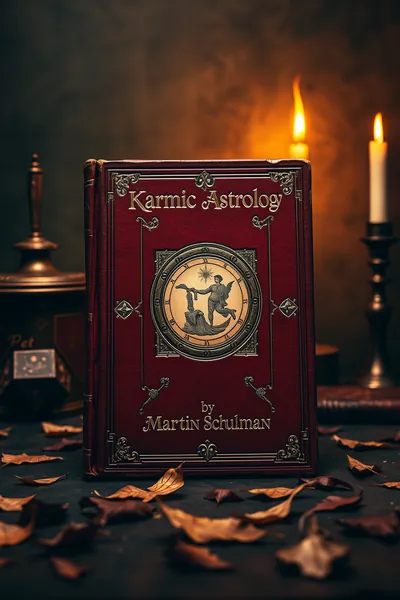
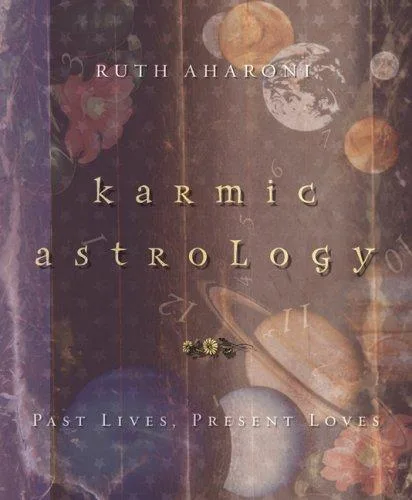
Moving beyond basics, Martin Schulman's "Karmic Astrology" (1975) and its follow-up "Karmic Astrology, Vol. I" examine astrological interpretations of karmic patterns. Rudolf Steiner's "Karmic Relationships" volumes (1924), such as "Karmic Relationships 1 (CW 235)", offer profound, albeit complex, analyses of soul connections and past-life influences. "Astrology, karma & transformation" by Stephen Arroyo bridges astrological insights with personal growth, providing a nuanced view of karmic unfolding.
Classical / Advanced Texts
For a deeper dive, "The Sacred Books of the East (10 of 14)" contains foundational Indian philosophical texts that discuss karma extensively. H.P. Blavatsky's "ISIS Unveiled Vol 2" explores esoteric doctrines, including karmic law, within a broader occult framework. G.S. Faber's "The Origin Of Pagan Idolatry Volume 1" (1816) and "Volume 3" (1816) provide historical and comparative analyses of ancient belief systems, offering context for the evolution of karmic thought.
Reading Order — Step by Step
Begin with Florence Scovel Shinn's "The Game of Life and How to Play It" for a practical, motivational start. Follow with Levi's "The Aquarian Gospel of Jesus the Christ" for a spiritual perspective. In Month 2, transition to Martin Schulman's "Karmic Astrology" or Stephen Arroyo's "Astrology, karma & transformation" to connect karma with astrological frameworks. Dedicate Month 3 to Rudolf Steiner's "Karmic Relationships" series for in-depth analysis of karmic connections, and explore "The Sacred Books of the East" for primary philosophical sources.
Frequently Asked Questions
Which karma book should I read first?
Start with Florence Scovel Shinn's "The Game of Life and How to Play It." It provides practical, easy-to-understand principles about how thoughts and actions create one's reality, serving as a gentle introduction to karmic concepts.
How does astrology relate to karma?
Astrology, particularly karmic astrology as explored by authors like Martin Schulman and Stephen Arroyo, interprets birth charts to reveal past-life influences and recurring patterns. It suggests that planetary positions can indicate karmic lessons and potentials for growth.
Are Steiner's books difficult to understand?
Rudolf Steiner's works, including his "Karmic Relationships" series, are dense and require focused study. They offer profound, layered insights into karma and reincarnation but are best approached after gaining a foundational understanding of the topic.
Where can I find ancient texts on karma?
Texts like "The Sacred Books of the East (10 of 14)" contain foundational Indian philosophical writings that extensively discuss karma. These offer primary source material for understanding the historical development of karmic philosophy.
Is karma about destiny or free will?
Karma is often understood as a dynamic interplay between destiny and free will. Past actions create tendencies and circumstances (destiny), but present choices and intentions (free will) determine how these are navigated and what future karma is generated.
What is the difference between karma and fate?
Fate implies a predetermined, unchangeable outcome. Karma, while acknowledging the consequences of past actions, emphasizes that individuals have agency in the present to influence their future through their choices and intentions.
Can karma be positive?
Yes, karma is not solely negative. Positive actions, intentions, and ethical conduct generate positive karma, leading to favorable circumstances and experiences. This is often referred to as accumulating merit or good karma.
How do Eastern and Western views on karma differ?
Eastern traditions often integrate karma with reincarnation and spiritual liberation. Western interpretations, influenced by authors like Shinn and Steiner, may focus more on psychological, ethical, or astrological manifestations of cause and effect in a single lifetime or across soul connections.