 74
74

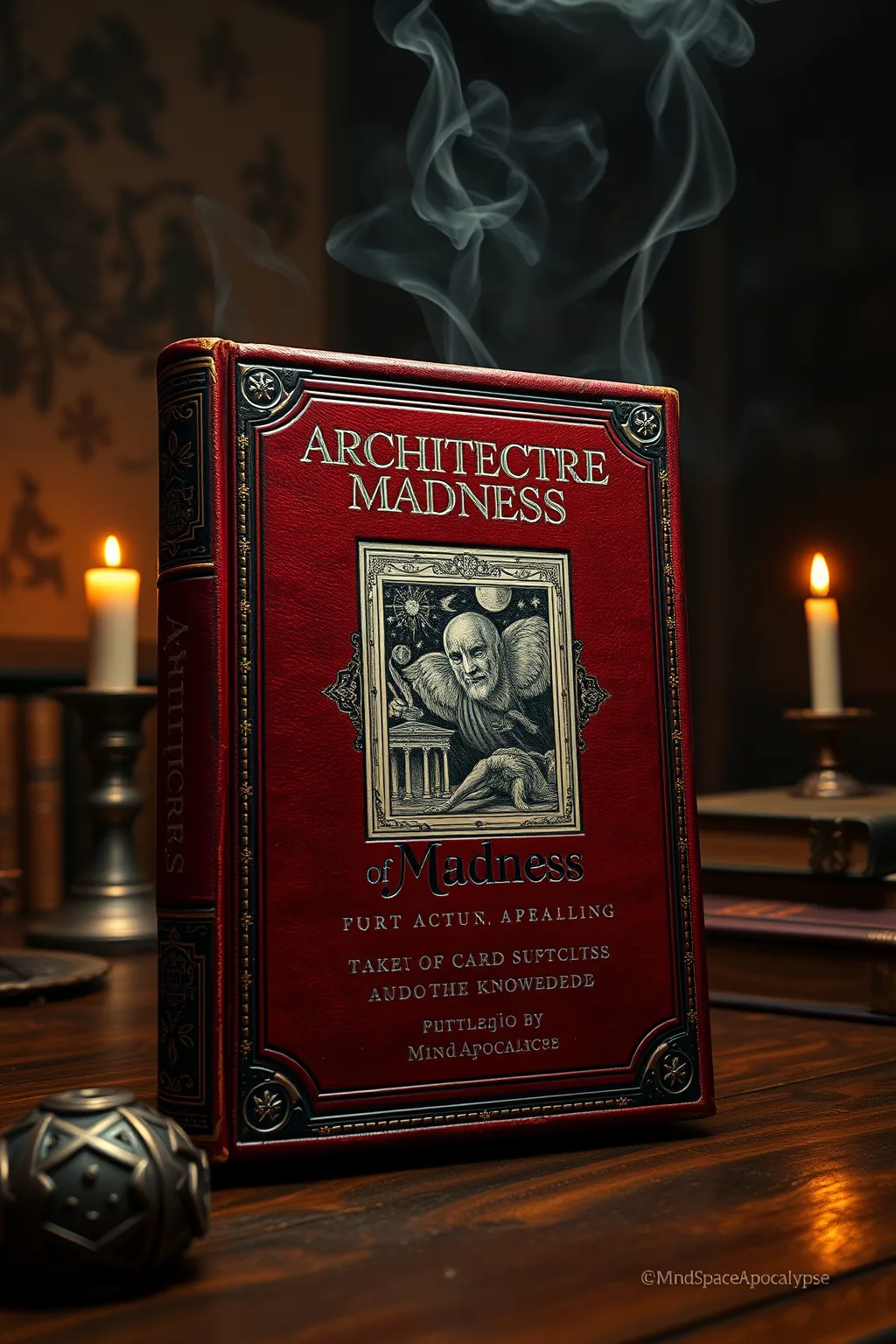
Architecture Of Madness



'Architecture Of Madness' by MindSpaceApocalypse is a compelling journey into the depths of esoteric and occult philosophy. The author masterfully blends historical narratives with mystical insights, creating a rich and thought-provoking exploration of the human psyche. The book's discussions on the Father Grandier possessions and the Cube of Saturn are particularly enlightening, offering readers a fresh perspective on ancient occult practices and their relevance in modern times. For contemporary esoteric seekers, this text serves as a valuable resource, providing both historical context and spiritual guidance. The writing style is engaging and accessible, making complex concepts easy to understand. Overall, 'Architecture Of Madness' is a must-read for anyone interested in the occult and esoteric studies. ★★★★☆
📝 Description
The 'Architecture Of Madness' by MindSpaceApocalypse is a profound exploration into the esoteric and occult realms. This book delves into the hidden structures of the human psyche and the mystical forces that govern our reality. Drawing on a rich tapestry of historical contexts, the author weaves together themes of madness, possession, and the occult, providing readers with a unique perspective on the nature of consciousness and the unseen world. Key themes include the Father Grandier possessions, witchcraft, and the enigmatic Cube of Saturn. This book is an essential read for anyone interested in occult philosophy, esoteric studies, and the darker aspects of human experience. Whether you are a seasoned occultist or a curious seeker, 'Architecture Of Madness' offers a wealth of knowledge and insight into the mysteries of the mind and spirit.
✍️ Author
http://j.mp/MindSpaceApocalypse
The Ditmar Award is Australia's oldest science fiction, fantasy and horror award, presented annually since 1969, usually at the Australian "Natcon". The historical nominations and results (listed in boldface) of the Award follow.
💡 Why Read This Book?
Reading 'Architecture Of Madness' today offers a unique opportunity to explore the esoteric and occult realms from a fresh perspective. This book provides valuable insights into the hidden structures of the mind and the mystical forces that shape our reality. By delving into historical contexts and ancient practices, readers can gain a deeper understanding of the occult and its relevance in modern times. This text is an essential read for anyone seeking to expand their knowledge of esoteric philosophy and the darker aspects of human experience.
⭐ Reader Reviews
Honest opinions from readers who have explored this book.
❓ Frequently Asked Questions
What is the main theme of 'Architecture Of Madness'?
The main themes of 'Architecture Of Madness' include the exploration of madness, possession, and the occult, with a focus on historical events like the Father Grandier possessions and the mystical Cube of Saturn.
Who should read this book?
This book is ideal for anyone interested in occult philosophy, esoteric studies, and the deeper mysteries of the human psyche. Both seasoned occultists and curious seekers will find valuable insights within its pages.
What historical contexts are discussed in the book?
The book delves into various historical contexts, including the Father Grandier possessions and the enigmatic Cube of Saturn, providing a rich backdrop for the esoteric and occult themes explored.
🔮 Key Themes & Symbolism
The Cube of Saturn
The Cube of Saturn is a central symbol in the book, representing the occult forces that govern madness. This theme explores the hidden knowledge and esoteric traditions associated with this symbol, providing a deep understanding of its philosophical significance.
Occult Philosophy of Madness
This theme delves into the mystical dimensions of insanity, revealing the hidden knowledge and symbolism that underpin mental aberrations. It offers a unique perspective on the nature of madness and its esoteric traditions.
Symbolism and Hidden Knowledge
The book is rich in symbolism and hidden knowledge, exploring the arcane forces that govern the human mind. This theme provides a deep dive into the esoteric traditions and philosophical significance of madness, making it an invaluable resource for seekers of hidden knowledge.
💬 Memorable Quotes
“Madness is the doorway to hidden realms of knowledge.”
— This quote underscores the book's exploration of the mystical dimensions of insanity.
“The Cube of Saturn holds the key to understanding the occult forces of madness.”
— This passage highlights the significance of the Cube of Saturn in the book's occult philosophy.
“Insanity is a journey into the depths of the human psyche.”
— This line emphasizes the philosophical depth of the book's exploration of madness.
“Symbolism is the language of the occult, revealing hidden truths.”
— This quote underscores the importance of symbolism in the book's esoteric insights.
“The mind is a labyrinth of hidden knowledge and arcane forces.”
— This passage highlights the mystical underpinnings of the human mind as explored in the book.
🌙 Esoteric Significance
Tradition
The book belongs to the Hermetic tradition, which emphasizes the mystical dimensions of the human mind and the occult forces that govern it. It draws on ancient esoteric traditions to provide a deep understanding of madness and its philosophical significance.
Symbolism
Key symbols include the Cube of Saturn, which represents the occult forces of madness, and various other occult symbols that reveal hidden truths about the human psyche. These symbols are central to the book's exploration of esoteric traditions and hidden knowledge.
Modern Relevance
Today, 'Architecture of Madness' remains relevant for practitioners of the occult and scholars of esoteric traditions. Its exploration of madness and hidden knowledge offers valuable insights into the mystical dimensions of the human mind, making it an essential resource for those seeking to understand the deeper aspects of the occult.
👥 Who Should Read This Book
Beginners in the occult may find the book challenging due to its deep esoteric insights. Scholars and advanced practitioners will appreciate the profound exploration of madness and hidden knowledge. Spiritual seekers interested in the mystical dimensions of the human psyche will find this book particularly enlightening, as it offers a unique perspective on the occult philosophy of insanity.
📜 Historical Context
Written during a time of intense interest in the occult and esoteric traditions, 'Architecture of Madness' reflects the era's fascination with the mystical dimensions of the human mind. The book's exploration of madness and hidden knowledge was influential in shaping the understanding of occult philosophy and its significance in the modern world. Its influence can be seen in contemporary studies of the occult and the ongoing search for hidden knowledge.
📔 Journal Prompts
How does the concept of madness as a doorway to hidden realms resonate with your understanding of the occult?
In what ways does the Cube of Saturn symbolize the occult forces of madness in your interpretation?
Reflect on the role of symbolism in revealing hidden truths about the human psyche.
Consider the philosophical depth of the book's exploration of insanity and its esoteric traditions.
How does the book's exploration of the mind as a labyrinth of hidden knowledge and arcane forces influence your spiritual journey?
🗂️ Glossary
Cube of Saturn
A central occult symbol in the book, representing the hidden forces governing madness.
Occult Philosophy
The study of hidden knowledge and esoteric traditions that underpin the mystical dimensions of the human mind.
Symbolism
The use of symbols to reveal hidden truths and occult forces in the exploration of madness.
Hermetic Tradition
An esoteric tradition that emphasizes the mystical dimensions of the human mind and the occult forces that govern it.
Esoteric Traditions
Ancient and hidden knowledge systems that provide a deep understanding of madness and its philosophical significance.