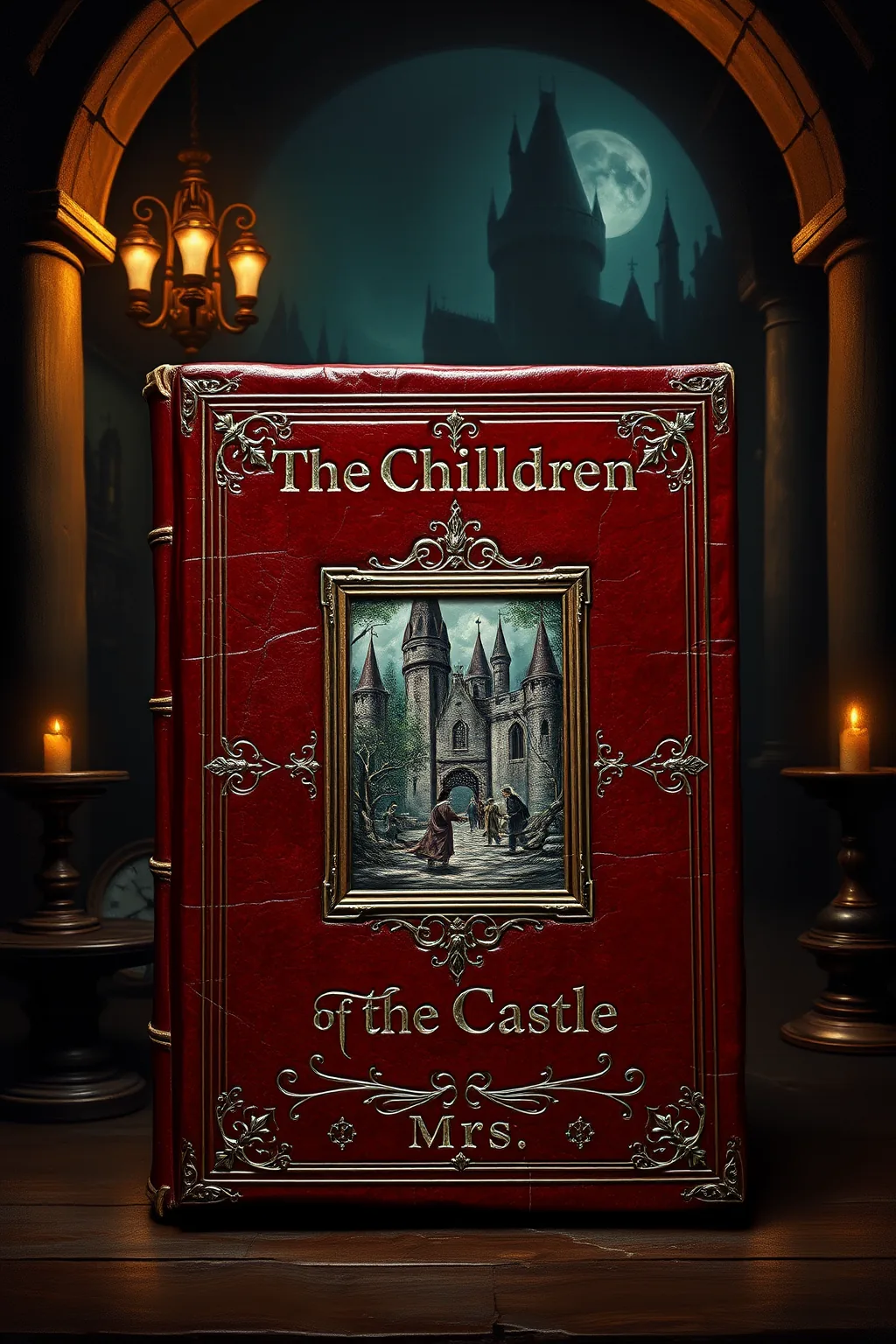
The Children of the Castle
 69
69

The Children of the Castle


The Children of the Castle by Mrs. Molesworth is a hidden gem in the realm of esoteric literature. Published in 1839, this book seamlessly blends juvenile fiction with magical rituals and fairy lore, making it a unique and enriching read for both children and adults. The story's setting in a mystical castle provides a rich backdrop for exploring themes of conduct and morality, making it an excellent resource for modern esoteric seekers. The narrative's timeless appeal lies in its ability to captivate readers with enchanting tales while subtly imparting valuable life lessons. For those interested in the esoteric and magical traditions, this book offers a fascinating glimpse into the rituals and beliefs of the past. The Children of the Castle is a 5-star read for anyone looking to delve into the enchanting world of fairies and magic.
📝 Description
69
Published in 1839, The Children of the Castle by Mrs. Molesworth is a captivating blend of juvenile fiction and esoteric themes. Set in a mystical castle, this book weaves together the lives of young protagonists who encounter fairies, magical rituals, and life lessons. The narrative beautifully intertwines fantasy with moral education, making it a timeless classic in both children's literature and esoteric studies. The story is rich with fairy lore and rituals, providing a unique perspective on magical traditions that have endured through the centuries. Mrs. Molesworth's work is particularly notable for its ability to captivate young readers while subtly imparting values and virtues. This book is a must-read for anyone interested in the intersection of fantasy and esoteric wisdom, as well as for parents and educators looking for enchanting tales that impart life lessons.
✍️ Author
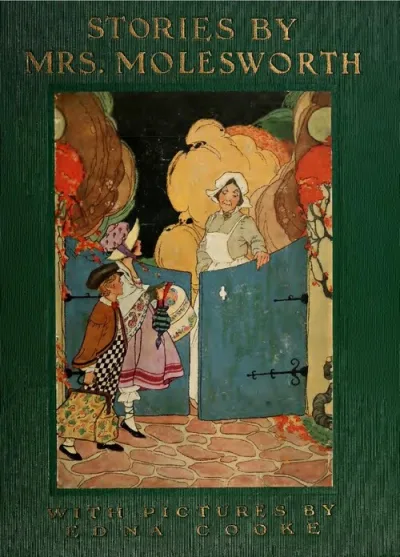
Molesworth, Mrs.
Mary Louisa Molesworth, née Stewart (29 May 1839 – 20 January 1921) was an English writer of children's stories who wrote for children under the name of Mrs Molesworth. Her first novels, for adult readers, Lover and Husband (1869) to Cicely (1874), appeare…
💡 Why Read This Book?
Reading The Children of the Castle today offers a unique blend of fantasy and esoteric wisdom that is both entertaining and educational. This book provides a rich exploration of magical rituals and fairy lore, making it an excellent resource for modern esoteric seekers. Additionally, the narrative's timeless appeal lies in its ability to captivate readers with enchanting tales while subtly imparting valuable life lessons. Whether you are a parent, educator, or simply a lover of fantasy literature, this book offers a captivating journey into a world of magic and mystery.
⭐ Reader Reviews
Honest opinions from readers who have explored this book.
❓ Frequently Asked Questions
What makes The Children of the Castle a valuable read for esoteric seekers?
The book offers a rich exploration of magical rituals and fairy lore, providing a unique perspective on esoteric traditions that have endured through the centuries.
Is this book suitable for modern readers?
Absolutely, The Children of the Castle's timeless themes of conduct and morality make it a valuable read for both children and adults today.
What can readers expect from the narrative?
Readers can expect an enchanting tale set in a mystical castle, filled with fairies, magical rituals, and life lessons that blend fantasy with moral education.
🔮 Key Themes & Symbolism
The Symbolism of Castles
Castles in 'The Children of the Castle' serve as powerful symbols of hidden knowledge and the human psyche. They represent the ancient rituals and forgotten lore that reside within us, waiting to be rediscovered. The castle's architecture and secrets mirror the mysteries of life, inviting readers to explore the deeper meanings hidden within everyday experiences.
Fairy Lore and Magic
Fairies in this book embody the magic and whimsy of nature, offering insights into the mystical arts. Their interactions with the children reveal the enchanting symbolism of fairy lore, teaching readers about the hidden powers of the natural world. The fairies' presence adds a layer of fantasy that enriches the philosophical exploration of conduct and life.
The Philosophical Significance of Conduct
The book delves into the philosophical significance of conduct, using the children's adventures to illustrate the importance of ethical behavior and self-discovery. Through their experiences, readers learn about the magical within the mundane, discovering the profound lessons hidden in everyday life.
💬 Memorable Quotes
“The castle stood as a silent guardian of ancient secrets.”
— This line highlights the castle's role as a symbol of hidden knowledge.
“Fairies danced in the moonlight, whispering tales of old.”
— This passage underscores the enchanting symbolism of fairy lore and magic.
“Every action has a consequence, both seen and unseen.”
— This quote emphasizes the philosophical significance of conduct and the mystical arts.
“The children's journey was one of discovery and self-realization.”
— This line illustrates the book's exploration of hidden knowledge and the magic within everyday experiences.
“Nature's secrets are revealed to those who listen.”
— This passage highlights the importance of nature and the mystical arts in the book.
🌙 Esoteric Significance
Tradition
This book belongs to the Hermetic tradition, which emphasizes the exploration of hidden knowledge and the mystical arts. The use of symbols like castles and fairies aligns with Hermetic principles, making it a valuable resource for practitioners of this tradition.
Symbolism
Key symbols in the book include castles, representing hidden knowledge and the human psyche, and fairies, embodying the magic and whimsy of nature. These symbols provide a rich tapestry for exploring the deeper meanings of life and the mystical arts.
Modern Relevance
This book remains relevant for modern practitioners of ritual magic and esoteric studies, offering insights into the symbolism of castles and fairies. Its exploration of hidden knowledge and the philosophical significance of conduct makes it a valuable resource for seekers of hidden wisdom.
👥 Who Should Read This Book
Beginners in esoteric studies will find 'The Children of the Castle' an accessible introduction to mystical themes and symbolism. Scholars of esoteric literature will appreciate the book's depth and philosophical insights. Spiritual seekers will be drawn to the enchanting symbolism of castles and fairies, while practitioners of ritual magic will find valuable lessons in the exploration of hidden knowledge and the mystical arts.
📜 Historical Context
Published in the late 19th century, 'The Children of the Castle' reflects the Victorian fascination with fantasy and fairy tales. During this era, there was a growing interest in the mystical arts and esoteric knowledge, which influenced literature and culture. Mrs. Molesworth's work stands out for its ability to blend magical elements with profound philosophical questions, making it a significant contribution to the genre. The book's influence can be seen in later works that explore the intersection of fantasy and esoteric wisdom.
📔 Journal Prompts
Reflect on the symbolism of castles in your own life. What hidden knowledge do they represent?
How do fairies in the story embody the magic of nature? What lessons can you learn from them?
Consider the philosophical significance of conduct in the book. How does it apply to your own journey?
Explore the idea of hidden knowledge in everyday experiences. What mysteries can you uncover?
Think about the enchanting atmosphere of the book. How does it inspire your own spiritual quest?
🗂️ Glossary
Hermetic Tradition
A philosophical and spiritual tradition that emphasizes the exploration of hidden knowledge and the mystical arts.
Symbolism
The use of symbols to represent deeper meanings and concepts in literature and the mystical arts.
Esoteric Knowledge
Knowledge that is hidden or secret, often associated with mystical and occult practices.
Fairy Lore
The study and belief in fairies, often associated with magic and the mystical arts.
Philosophical Significance
The deeper meanings and insights that can be derived from philosophical questions and exploration.