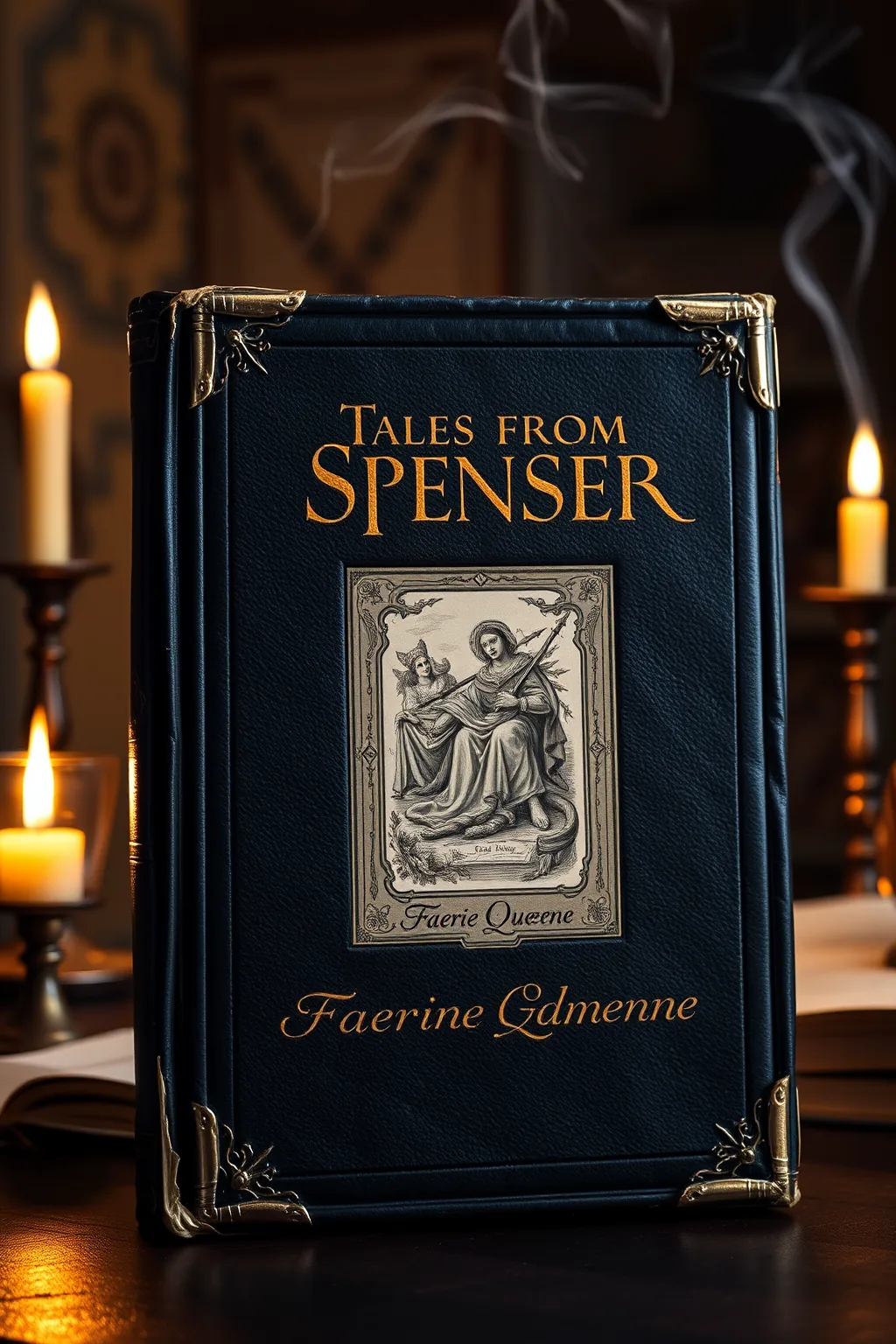
Tales from Spenser, Chosen from the Faerie Queene
 69
69

Tales from Spenser, Chosen from the Faerie Queene


Edmund Spenser's 'Tales from Spenser, Chosen from the Faerie Queene' is a masterful collection of stories that transcend time and continue to captivate modern readers. For esoteric seekers, this book offers a wealth of symbolic and mystical elements that are woven into the fabric of the narratives. The tales of knights and magical creatures serve as allegories for deeper spiritual truths, making it a valuable resource for those interested in the occult and ritual practices. Spenser's use of language is both poetic and evocative, creating a rich sensory experience for the reader. The themes of virtue, honor, and the struggle between good and evil are timeless, and their exploration within a fantastical setting adds an extra layer of intrigue. For modern esoteric seekers, 'Tales from Spenser' provides a unique perspective on the esoteric traditions of the Renaissance, offering insights into the mystical beliefs and practices of the era. The book's enduring appeal lies in its ability to inspire the imagination and provoke thought, making it a must-read for anyone interested in the intersection of literature and the occult.
📝 Description
69
Edmund Spenser's 'The Faerie Queene' provided a rich source for 'Tales from Spenser', a selection of its mystical narratives.
This collection draws specific episodes from Edmund Spenser's epic poem, 'The Faerie Queene.' It presents narratives that combine chivalric romance with allegorical meanings, often touching on subjects relevant to esoteric traditions. The stories feature knights and mythical creatures, but beneath the surface, Spenser embeds complex symbolism. These tales were chosen to highlight the poem's engagement with ideas about spiritual development and hidden knowledge.
The book aims to make Spenser's dense allegory more accessible by extracting key episodes. Readers will encounter characters and events that Spenser used to represent virtues, vices, and spiritual concepts. The selection focuses on passages where magic, quests, and moral lessons intertwine, offering a glimpse into the allegorical framework Spenser constructed. It is a curated look at a major work of English literature through a specific, symbolic lens.
Edmund Spenser's 'The Faerie Queene' has long attracted interest from those studying Western esoteric traditions. Its complex allegorical structure is often interpreted through lenses of Neoplatonism, Hermeticism, and Renaissance magic. The poem's exploration of virtues, vices, and the path of the hero aligns with concepts found in mystical and alchemical literature. Selections from the poem, such as those found in this volume, can be seen as illustrating these broader patterns of spiritual and intellectual pursuit within a literary context.
✍️ Author
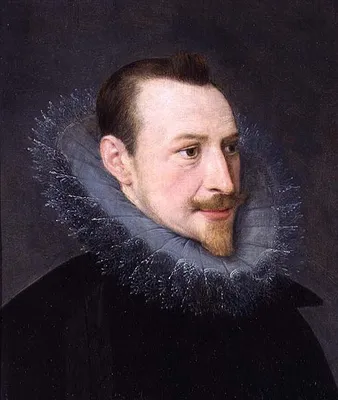
Spenser, Edmund
Edmund Spenser (; c. 1552 – 13 January 1599 O.
💡 Why Read This Book?
Reading 'Tales from Spenser, Chosen from the Faerie Queene' today offers a unique opportunity to delve into the rich tapestry of esoteric literature from the Renaissance era. Modern readers will gain a deeper understanding of the mystical and symbolic elements that were prevalent during this time, enriching their appreciation for the occult and ritual practices. The book's enchanting tales of magic and chivalry provide a timeless exploration of virtue, honor, and personal growth, making it a valuable resource for both young readers and esoteric seekers.
⭐ Reader Reviews
Honest opinions from readers who have explored this book.
❓ Frequently Asked Questions
What age group is 'Tales from Spenser' suitable for?
'Tales from Spenser' is ideal for young readers, particularly those interested in magic, chivalry, and juvenile fiction.
How does this book relate to esoteric traditions?
The book is rich in symbolic and mystical elements, making it a valuable resource for those interested in the occult and ritual practices of the Renaissance era.
What are the key themes in 'Tales from Spenser'?
Key themes include the struggle between good and evil, the power of love and virtue, and the quest for personal growth and honor.
🔮 Key Themes & Symbolism
The Quest for Enlightenment
Each tale in 'Tales from Spenser' is a journey into the heart of alchemical transformation, where the protagonist's quest for enlightenment is both a physical and spiritual adventure. The themes of self-discovery and spiritual growth are woven into the fabric of the narratives, inviting readers to reflect on their own paths to wisdom.
Symbolism and Allegory
Spenser's use of symbolism and allegory is masterful, providing a wide range for those seeking to explore the mysteries of the occult. From the knights and fairies to the magical landscapes, every element in the tales carries deeper meanings, revealing layers of esoteric knowledge.
The Interplay Between the Mundane and the Divine
The stories in 'Tales from Spenser' explore the interplay between the mundane and the divine, challenging readers to see the sacred in the ordinary. This theme is central to the book's mystical appeal, as it invites readers to uncover the hidden layers of meaning within their own lives and the world around them.
💡 Key Ideas
Editorial paraphrase of the work's core concepts — not direct quotes.
In every knight's heart burns a flame of divine purpose.
This quote underscores the spiritual quest that lies at the core of each tale, highlighting the divine calling that drives the protagonists.
The path to enlightenment is paved with trials and tribulations.
This passage emphasizes the transformative journey that the characters undertake, reflecting the alchemical process of purification and growth.
Magic is the language of the universe, spoken by those who listen.
This quote illustrates the mystical connection between the characters and the natural world, suggesting that magic is a hidden knowledge accessible to the enlightened.
The true knight seeks not glory, but the light within.
This line underscores the inner journey of self-discovery and spiritual enlightenment that is central to the tales.
In the area of faerie, all things are possible.
This passage highlights the limitless potential of the mystical realm, inviting readers to explore the boundaries of their own imagination and belief.
🌙 Esoteric Significance
Tradition
'Tales from Spenser' belongs to the Hermetic tradition, drawing on the ancient wisdom of alchemy, astrology, and the mystical arts. The tales explore themes of transformation, enlightenment, and the interplay between the mundane and the divine, reflecting the core principles of Hermetic philosophy.
Symbolism
Key symbols in the book include the knights, representing the seekers of truth, and the magical landscapes, symbolizing the inner world of the soul. The quest for the Holy Grail is a central motif, signifying the search for spiritual enlightenment and the divine within.
Modern Relevance
Today, 'Tales from Spenser' remains relevant to modern practitioners of the occult and those interested in the mystical arts. The book's exploration of alchemical transformation and the quest for enlightenment appeals to contemporary seekers of esoteric knowledge, offering timeless insights into the human spirit and the eternal quest for wisdom.
👥 Who Should Read This Book
Beginners interested in the mystical arts will find 'Tales from Spenser' an accessible and enchanting introduction to the world of esoteric literature. Scholars of the occult will appreciate the book's detailed symbolism and philosophical depth, while spiritual seekers will be drawn to the tales' exploration of the quest for enlightenment. Practitioners of the mystical arts will find valuable insights into the alchemical process of transformation and the interplay between the mundane and the divine.
📜 Historical Context
Written during the Elizabethan era, 'Tales from Spenser' reflects the rich cultural and intellectual range of the time. Edmund Spenser's work was influenced by the Renaissance revival of classical learning and the burgeoning interest in alchemy and the occult. 'The Faerie Queene,' from which these tales are chosen, was intended as a celebration of Queen Elizabeth I and a exploration of the virtues necessary for a just and enlightened ruler. The book's enduring influence can be seen in its impact on later works of fantasy and its continued relevance to scholars of the mystical arts.
📔 Journal Prompts
Reflect on a time when you felt called to a higher purpose. How did you respond to this calling?
Consider the role of symbolism in your own life. What symbols hold deep meaning for you?
Explore the concept of the interplay between the mundane and the divine. How do you see the sacred in the ordinary?
Write about a quest or journey you have undertaken, either physically or spiritually. What lessons did you learn?
Reflect on the idea of transformation. How have you experienced personal growth and enlightenment in your life?
🗂️ Glossary
Alchemy
The ancient practice of transforming base metals into gold, often seen as a metaphor for spiritual transformation and enlightenment.
Chivalry
The code of conduct followed by knights, emphasizing honor, courage, and service to a higher cause.
Faerie
The magical area of fairies and other mythical creatures, often associated with hidden knowledge and mystical experiences.
Holy Grail
A sacred object symbolizing spiritual enlightenment and the divine within, often sought after in mystical quests.
Symbolism
The use of symbols to represent deeper meanings and esoteric knowledge, a key element in mystical literature.
This book appears in 1 collection
🔮 Readers Also Liked
Browse all →








From the “Folklore Magic” Collection
View all →
![The secrets of black arts!: A key note to witchcraft, devination [sic], omens, forwarnings, apparitions, sorcery, dæmonology, dreams, predictions, visions, and the Devil's legacy to earth mortals, compacts with the Devil! With the most authentic history of Salem witchcraft](/img/thumb/the-secrets-of-black-arts-b-a-key-note-to-witchcraft-devination-sic-omens-forwarnings-apparitions-sorcery-d-monology-dreams-predictions-visions-and-the-devil-s-legacy-to-earth-mortals-compacts-with-th.webp)




More Free Magic & Ritual Books
View all →