 61
61

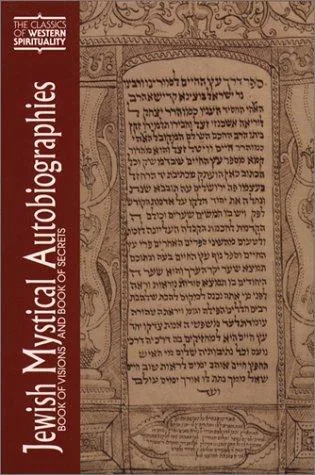
Jewish Mystical Autobiographies

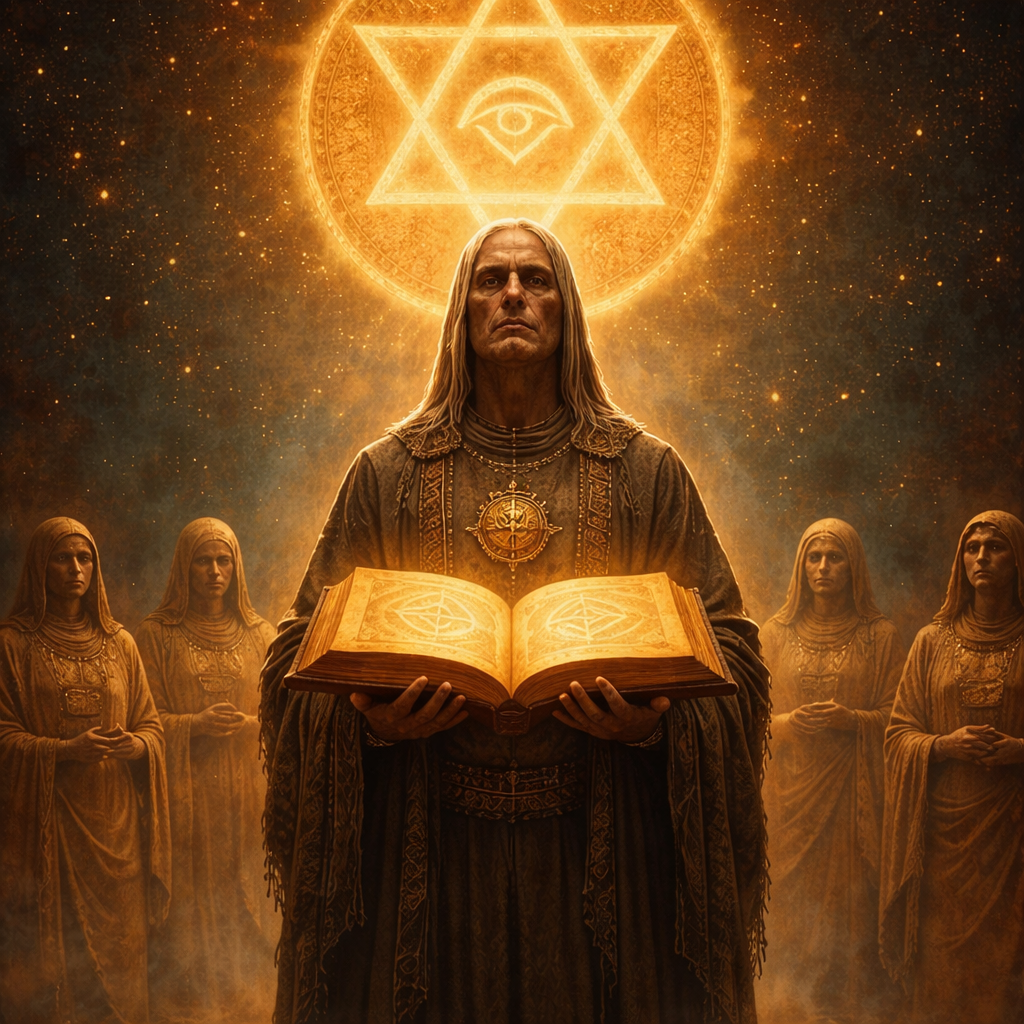

Silas Hawthorne, Hermetic Studies Editor — Morris M. Faierstein’s "Jewish Mystical Autobiographies" offers a rare and invaluable portal into the heart of Jewish esoteric experience. By presenting these personal narratives, Faierstein illuminates the practical application of Kabbalistic principles, demonstrating how theoretical concepts translate into lived spiritual reality. The work excels in its portrayal of the internal struggles, ecstatic revelations, and profound insights that characterize the mystic’s path. It is a vital resource for scholars of comparative mysticism and practitioners seeking to deepen their understanding of the soul’s journey towards the Absolute, providing a compelling counterpoint to the often abstract nature of theological discourse.
📝 Description
61
Delve into the profound depths of Jewish mysticism with Morris M. Faierstein's "Jewish Mystical Autobiographies." This singular collection unfurls the hidden pathways of the soul, charting the spiritual journeys of individuals who sought communion with the Divine through the intricate tapestry of Kabbalistic thought. Unlike the often public pronouncements of faith, these are intimate chronicles of inner transformation, revealing the secret dialogues between the seeker and the Unseen. Faierstein meticulously guides the reader through narratives steeped in allegory, Gematria, and the enigmatic symbolism that underpins Jewish esoteric traditions. Each account is a testament to the enduring human yearning for ultimate truth, a quest for direct experience of God's immanence within the mundane. This work is an essential companion for those who wish to understand the lived reality of Jewish mystical practice, offering a rare glimpse into the personal landscapes where faith, philosophy, and the divine intersect. It is a call to awaken the contemplative spirit within, to explore the veiled dimensions of existence, and to discover the boundless potential for spiritual illumination.
✍️ Author

Morris M. Faierstein
Hayyim ben Joseph Vital (Hebrew: חַיִּים בֶּן יוֹסֵף וִיטָאל; Safed, October 23, 1542 (Julian calendar) / October 11, 1542 (Gregorian Calendar) – Damascus, 23 April 1620) was a rabbi in Safed and the foremost disciple of Isaac Luria. He recorded much of hi…
💡 Why Read This Book?
Uncover the personal journeys of those who walked the mystical paths of Judaism. This book offers a unique window into the lived experience of Kabbalah, revealing its profound impact on individual lives. Ideal for seekers of esoteric wisdom, students of comparative mysticism, and practitioners of contemplative traditions seeking authentic spiritual narratives.
⭐ Reader Reviews
Honest opinions from readers who have explored this book.
❓ Frequently Asked Questions
What is the primary focus of this book?
The primary focus is on the personal, lived experiences of individuals engaged in Jewish mysticism, particularly Kabbalah, as expressed through their spiritual autobiographies.
Who is the intended audience for this work?
The book is intended for readers interested in Jewish mysticism, Kabbalah, spiritual autobiography, religious history, and those seeking to understand the personal dimensions of esoteric traditions.
Does this book require prior knowledge of Kabbalah?
While prior knowledge can enhance understanding, Faierstein's presentation aims to be accessible, guiding readers through complex concepts with clear explanations and contextualization of autobiographical accounts.
What makes these autobiographies 'mystical'?
They are considered mystical because they detail direct experiences of the divine, altered states of consciousness, encounters with spiritual realities, and a profound pursuit of hidden knowledge and divine union.
How does this book differ from theological texts on Kabbalah?
Unlike theological texts, this book emphasizes the subjective, personal, and experiential aspects of Kabbalah, focusing on how individuals lived and integrated its teachings into their lives.
🔮 Key Themes & Symbolism
The Inner Contemplative Journey
This theme explores the profound internal landscape of the Jewish mystic, charting the often solitary and deeply personal quest for divine connection. It delves into the psychological and spiritual transformations that occur through intense contemplation, prayer, and meditation, revealing how the external world recedes as the inner universe expands. Readers will encounter narratives of self-discovery, the confrontation with inner shadows, and the arduous yet rewarding path toward spiritual enlightenment and intimate communion with the Absolute.
Symbolism and Hidden Meanings
Central to Jewish mysticism is the understanding that reality is layered with hidden meanings, accessible through symbols, scripture, and esoteric numerology (Gematria). This theme examines how these autobiographical accounts utilize and interpret these symbolic systems to articulate profound spiritual truths and experiences. From the divine emanations of the Sephirot to the mystical significance of Hebrew letters, the book illustrates how symbols serve as keys to unlocking the secrets of creation and the divine presence within all things.
The Experiential Nature of Faith
Moving beyond dogma and ritual, "Jewish Mystical Autobiographies" emphasizes the primacy of direct, personal experience in the pursuit of faith. These narratives showcase moments of ecstatic revelation, profound insights, and transformative encounters that defy purely intellectual comprehension. They highlight the active, participatory role of the individual in seeking and experiencing the divine, illustrating that true spiritual understanding often arises from lived experience rather than passive belief.
💬 Memorable Quotes
“The soul, a spark of the divine, yearns for its source.”
— This quote encapsulates the core drive of the mystic: an innate longing of the human spirit, seen as a divine fragment, to return to its origin.
“Within the silence, the cosmic whisper can be heard.”
— Highlights the mystical practice of seeking divine communication not through external noise, but through deep internal stillness and meditative awareness.
“The Torah is a garden of hidden meanings.”
— Emphasizes the Kabbalistic view of scripture as a multi-layered text, with profound esoteric truths concealed beneath its literal meaning.
“Each soul's journey is a unique unfolding of the divine plan.”
— Suggests that individual spiritual paths, though distinct, are integral to a larger, divinely orchestrated cosmic process.
“To know God is to know oneself in the mirror of creation.”
— Points to the esoteric principle of the microcosm reflecting the macrocosm, where self-understanding is intrinsically linked to understanding the divine.
🌙 Esoteric Significance
Tradition
This work is deeply rooted in the esoteric tradition of Kabbalah, the mystical interpretive tradition of Judaism. It explores concepts such as the Sefirot, the divine emanations, the nature of Ein Sof (the Infinite), the pathways of the soul, and the practical application of mystical principles through prayer, meditation, and contemplative visualization. It offers a personal, lived dimension to these often abstract theological frameworks, revealing their impact on the individual seeker.
Symbolism
The autobiographies are rich with the symbolic language of Kabbalah. Key symbols include the Tree of Life (representing the structure of divine emanation and consciousness), Hebrew letters (seen as fundamental building blocks of reality), divine names (channels of spiritual power), and allegorical interpretations of biblical narratives. These symbols are not mere decoration but active tools for understanding the hidden architecture of the cosmos and the soul's journey towards reunion with the divine.
Modern Relevance
In a contemporary world often characterized by spiritual seeking and a desire for deeper meaning, these Jewish mystical autobiographies offer profound relevance. They provide authentic accounts of navigating existential questions, cultivating inner peace, and forging a personal connection with the transcendent. The emphasis on self-reflection, symbolic interpretation, and the pursuit of experiential faith resonates with modern seekers across various traditions, offering timeless wisdom for personal growth and spiritual fulfillment.
👥 Who Should Read This Book
This illuminating volume is essential for anyone drawn to the profound depths of Jewish mysticism and Kabbalah. Scholars of religion and comparative mysticism will find invaluable primary source material and nuanced interpretations. Spiritual seekers yearning for a deeper, more personal understanding of the divine will connect with the raw honesty and transformative power of these narratives. Practitioners of contemplative disciplines, regardless of tradition, can glean insights into the universal challenges and rewards of the spiritual path. Beginners curious about esoteric Judaism will discover an accessible yet profound introduction through these lived experiences.
📜 Historical Context
This collection emerges from a rich tradition of Jewish thought that flourished particularly from the medieval period onwards, with Kabbalah reaching its zenith in centers like Safed. The era saw a profound engagement with mystical interpretation of scripture, theosophical speculation on the nature of God and creation, and the development of contemplative practices aimed at achieving spiritual union. These autobiographies offer a personal counterpoint to the more theoretical works, reflecting a time when the esoteric dimensions of Judaism were not merely academic pursuits but vital, lived spiritual paths. They illustrate how individuals grappled with profound theological questions, sought divine guidance in their daily lives, and navigated the often challenging journey of spiritual development within their historical and cultural milieu.
📔 Journal Prompts
Reflect on a moment in your life where you felt a profound, inexplicable connection to something greater than yourself. How did this experience shape your understanding of reality?
Consider a personal challenge or spiritual obstacle you have faced. How might the Kabbalistic concept of 'Tikkun' (rectification) apply to your journey?
Explore the symbolic meanings of an object or natural phenomenon that holds personal significance for you. What deeper truths might it represent?
If you were to write your own spiritual autobiography, what central themes or transformative moments would you highlight?
How can the practice of 'Devekut' (cleaving to God) be integrated into your daily life, beyond formal prayer or meditation?
🗂️ Glossary
Kabbalah
The esoteric, mystical tradition of Judaism, focused on understanding the divine nature, creation, and the soul's journey through symbolic interpretation and contemplative practices.
Ein Sof
The Kabbalistic term for God in His absolute, unknowable, and infinite aspect, beyond all conceptualization or manifestation.
Sefirot
The ten divine emanations or attributes through which Ein Sof manifests and interacts with creation, often visualized as a Tree of Life.
Gematria
A system of Jewish numerology where Hebrew letters are assigned numerical values, used to find hidden meanings and connections within texts.
Devekut
A Hebrew term meaning 'cleaving' or 'attachment' to God, referring to a state of intense spiritual communion and closeness experienced by mystics.