Here Today, Here Tomorrow
 78
78

Here Today, Here Tomorrow
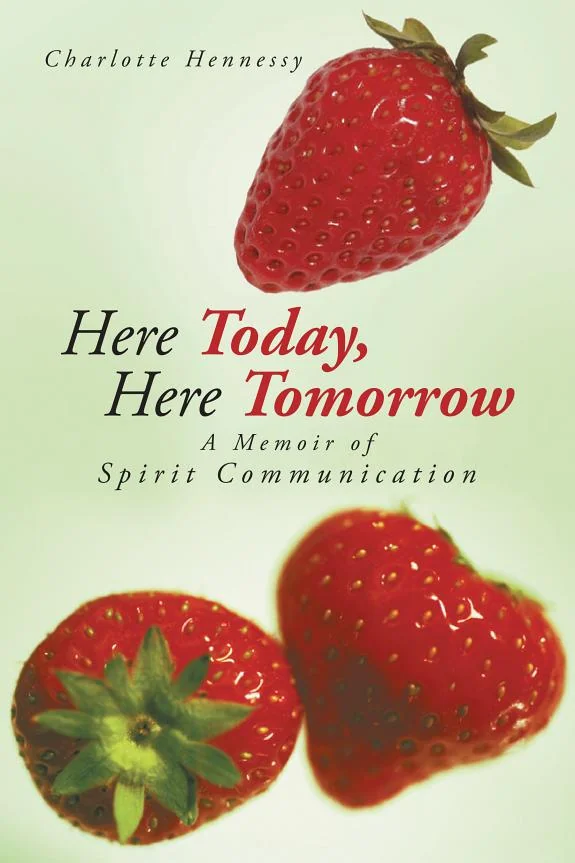
Charlotte Hennessy's 'Here Today, Here Tomorrow' offers a refreshingly candid account of spirit communication. What distinguishes this work is Hennessy's refusal to sanitize the spirits she encounters, portraying them with their earthly flaws and glories intact—a departure from saccharine depictions. The inclusion of poetry and humor adds a vibrant, humanizing layer to the spiritual subject matter. A particular strength lies in her concept of 'discarnate spirits' as perpetually progressing beings, not merely departed souls. However, the narrative occasionally meanders, and while the author's personal anecdotes are compelling, a more structured exploration of the philosophical underpinnings of spirit progression might have enhanced its scholarly appeal. Despite this, the book provides an accessible and often moving perspective on life's continuity. Hennessy's work is a valuable addition for those exploring the ongoing dialogue between worlds.
📝 Description
78
Charlotte Hennessy published 'Here Today, Here Tomorrow' in August 2013, detailing her personal spiritual encounters.
Charlotte Hennessy's 2013 book, 'Here Today, Here Tomorrow,' recounts her personal experiences with what she calls 'discarnate spirits.' This is not a simple report; it is filled with humor, poetry, and philosophical thoughts. Hennessy describes spirits not as distant figures but as individuals, complete with their earthly flaws and their current strengths. They are shown as active beings, continuing to develop in their spiritual lives.
Readers interested in personal spiritual stories, mediumship, and the idea that life continues after death will find this book appealing. It suits those who enjoy a mix of personal reflection, humor, and spiritual philosophy. The work is for anyone looking for comfort or a new viewpoint on communicating with the spirit world, especially those open to the possibility of ongoing spirit activity and connection.
Published in 2013, 'Here Today, Here Tomorrow' fits within the ongoing tradition of spiritualist literature that has roots in the 19th century. Hennessy's focus on the continuous development and distinct personalities of spirits distinguishes her work from some earlier, more rigid interpretations. The book engages with broader themes found in New Age and esoteric writings concerning consciousness, the afterlife, and interdimensional contact, echoing explorations by earlier figures who investigated the spirit realm.
💡 Why Read This Book?
• Learn about the concept of 'discarnate spirits' as actively progressing beings, a core idea Hennessy explores, which offers a distinct view on post-mortem existence compared to static afterlife models. • Experience Hennessy's unique blend of personal narrative and philosophical reflection, evident in her 2013 publication, which provides a warm and humorous approach to spiritual encounters. • Gain insight into the practicalities of maintaining connection with spiritual entities, as demonstrated through the author's personal examples, potentially shifting your understanding of accessibility and communication.
⭐ Reader Reviews
Honest opinions from readers who have explored this book.
❓ Frequently Asked Questions
What is the primary message of Charlotte Hennessy's 'Here Today, Here Tomorrow'?
The book's central message is that individuals continue to exist and progress after physical death, remaining accessible and communicative with the living, as explored in its 2013 publication.
How does Hennessy describe 'discarnate spirits'?
Hennessy portrays discarnate spirits as dynamic, progressing beings, retaining aspects of their earthly personalities, flaws, and glories, rather than static or purely ethereal entities.
What elements does Hennessy include alongside spiritual messages?
The author sprinkles her personal history of spiritual experiences with humor, poetry, and philosophical reflections, making the narrative engaging and multi-faceted.
When was 'Here Today, Here Tomorrow' first published?
The book was first published on August 21, 2013, placing it within the contemporary landscape of spiritual literature.
Does the book offer practical advice for communicating with spirits?
While primarily a personal narrative, the book implicitly suggests that spirits are accessible through thought and intention, offering a perspective on the ease of spiritual connection.
What is Hennessy's perspective on death?
Hennessy does not view death as an end but as a transition, emphasizing that individuals are 'alive and still progressing' in the world of spirit.
🔮 Key Themes & Symbolism
Continuous Spiritual Progression
A core theme is the author's conviction that 'discarnate spirits' are not static entities but are actively evolving and progressing in their spiritual existence. This concept challenges traditional notions of the afterlife as a fixed state. Hennessy illustrates this through her interactions, suggesting these beings retain individuality and continue their development, a perspective that offers a dynamic view of the spiritual realm beyond physical demise.
Accessible Spirit Communication
The book explores the idea that communication with spirits is readily achievable, often at the 'drop of a thought' or when spirits choose to connect. Hennessy's personal history provides examples of this accessibility, framing spiritual contact not as an extraordinary event but as a natural, albeit often overlooked, aspect of existence. This theme encourages readers to consider the potential for ongoing dialogue with those in spirit.
Embodied Spirituality
Hennessy emphasizes the 'fleshed out' nature of spirits, depicting them with their human flaws and glories. This approach humanizes spiritual entities, presenting them as relatable beings rather than abstract ideals. By acknowledging their earthly existence and continuing individuality, the book bridges the gap between the material and spiritual worlds, suggesting that spiritual presence is tangible and character-rich.
Life Beyond Physicality
The overarching theme asserts that life continues after death, with spirits remaining 'alive and still progressing.' This perspective reframes the concept of death from an ending to a transformation. The narrative, enriched by humor and poetry, offers comfort and a sense of continuity, suggesting that our connections transcend physical limitations and that those in spirit remain an active part of a larger, evolving reality.
💬 Memorable Quotes
“They are alive and still progressing.”
— This concise statement encapsulates Hennessy's core belief that death is not an endpoint but a phase of continued development and existence for spiritual entities.
“They can be with you at the drop of a thought - or whenever they choose.”
— This highlights the author's view on the ease and dynamic nature of spiritual communication, suggesting spirits are accessible through intention and their own volition.
“The author doesn't call them dead, because they're alive...”
— This paraphrase directly addresses Hennessy's linguistic choice, emphasizing her perspective that spiritual existence is a continuation of life, not an cessation.
“Its sprinkled with humor, poetry and philosophy...”
— This interpretation points to the eclectic and engaging style of the book, indicating that spiritual exploration is presented with artistic and intellectual depth.
“discarnate spirits are described (fleshed out) as the beings they were, with their flaws and their glory...”
— This captures Hennessy's approach to portraying spiritual entities realistically, acknowledging their full humanity, imperfections included, as part of their ongoing spiritual identity.
🌙 Esoteric Significance
Tradition
The work aligns broadly with the modern spiritualist and New Age traditions, emphasizing continuity of consciousness and personal spiritual development after physical death. It departs from more structured esoteric lineages like Theosophy by focusing on direct, personal experiential accounts rather than a codified doctrine or cosmology. Its emphasis on the ongoing journey of the soul resonates with universalist spiritual concepts, yet its specific portrayal of accessible, individualized spirits places it within the contemporary mediumistic discourse.
Symbolism
While the book leans towards direct narrative rather than overt symbolism, the concept of 'progression' itself acts as a powerful symbolic motif, representing the ongoing journey of the soul and the dynamic nature of spiritual reality. The 'drop of a thought' signifies the instantaneous and intuitive nature of spirit communication, symbolizing a non-linear, consciousness-based connection that transcends physical limitations and the conventional understanding of time and space.
Modern Relevance
Hennessy's work speaks to contemporary interests in consciousness studies, mediumship, and the exploration of non-physical realities. Its accessible approach and focus on personal connection make it relevant to individuals exploring spiritualism outside traditional religious frameworks. The emphasis on the continued life and development of spirits can inform modern therapeutic approaches exploring grief, loss, and the existential questions surrounding mortality, resonating with practices in transpersonal psychology.
👥 Who Should Read This Book
• Individuals curious about personal accounts of spirit communication, particularly those seeking a less formal and more relatable perspective than traditional mediumistic literature. • Readers interested in the concept of life after death and the idea of souls continuing their journey and development, offering a comforting and philosophical viewpoint. • Those who appreciate narratives blending humor, poetry, and philosophical reflection with spiritual exploration, looking for an engaging and humanistic approach to the esoteric.
📜 Historical Context
Published in August 2013, 'Here Today, Here Tomorrow' emerged in an era where esoteric and spiritual literature continued to thrive, albeit with a growing emphasis on personal experience and less formal structures than earlier movements. The book's approach to spirit communication, emphasizing progression and individuality, reflects a contemporary evolution from the more dogmatic spiritualist traditions of the late 19th and early 20th centuries, which were heavily influenced by figures like Sir Arthur Conan Doyle. While not directly engaging with academic discourse, Hennessy's work exists within a broader cultural conversation about consciousness and the afterlife, a conversation also explored by thinkers like Stanislav Grof in his work on transpersonal psychology. The book’s accessible, personal tone likely found an audience among readers seeking relatable spiritual narratives, distinct from the more theoretical or ceremonial practices found in Hermetic or Kabbalistic circles.
📔 Journal Prompts
The nature of 'discarnate spirits' and their progression.
Moments when spirits 'choose' to connect.
The blend of flaws and glory in spiritual beings.
The accessibility of spirits through thought.
Personal reflections on life's continuity beyond physical death.
🗂️ Glossary
Discarnate Spirits
Entities that have transitioned from physical existence (died) but continue to exist and progress in a spiritual state, retaining aspects of their former selves.
Progression
The ongoing spiritual development and evolution of an entity after physical death, suggesting a continuous journey of learning and growth in the spirit world.
Fleshed Out
A description of spiritual entities as having discernible personalities, characteristics, and histories, akin to their earthly lives, rather than being purely ethereal or formless.
World of Spirit
The non-physical realm or dimension in which discarnate spirits exist and continue their journey of progression.
Drop of a Thought
Refers to the ease and immediacy with which spiritual entities can be contacted or can manifest, often through focused intention or mental connection.
Flaws and Glory
The acknowledgment that spiritual beings, like humans, possess imperfections alongside their virtues and achievements, reflecting a realistic portrayal of continued individuality.
Personal History
The author's own recounted experiences and interactions with the spiritual realm, forming the narrative backbone of the book.