What is Spirit Communication?
Spirit communication refers to the purported ability to interact with or receive messages from deceased individuals or non-physical entities. This practice has been documented across cultures and historical periods, often involving mediums who act as intermediaries. Phenomena associated with spirit communication include automatic writing, trance speaking, apparitions, and physical manifestations. The study of spirit communication often overlaps with spiritualism, parapsychology, and various esoteric traditions, seeking to understand the nature of consciousness beyond physical death.
Best Books for Complete Beginners
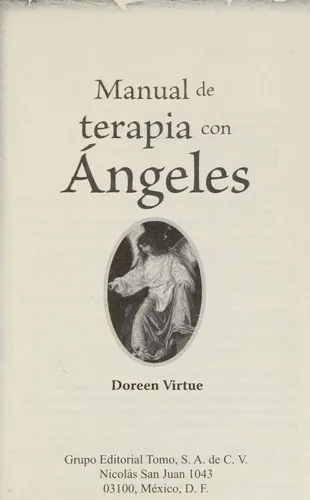
For those new to spirit communication, several titles offer accessible introductions. 'Mediumship for Beginners' by Mari Silva provides foundational techniques. Diana Palm's 'Mediumship Scrying and Transfiguration for Beginners' introduces specific methods for developing psychic senses. 'Llewellyn's Little Book of Spirit Communication' by Sterling Moon offers a concise overview of key concepts and practices. 'The Angel Therapy Handbook' by Doreen Virtue explores communication with angelic guides, a related area. These books lay the groundwork for understanding the principles and practices involved.
Intermediate Reading
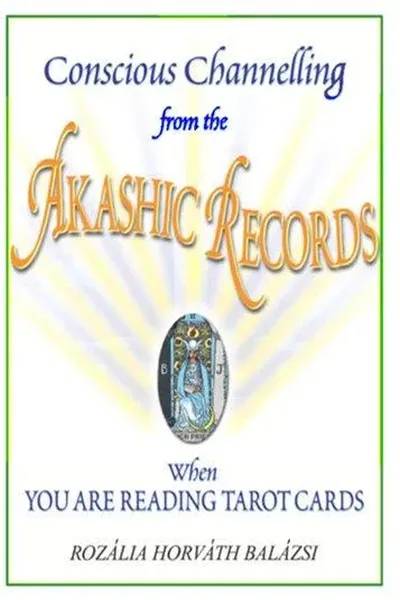
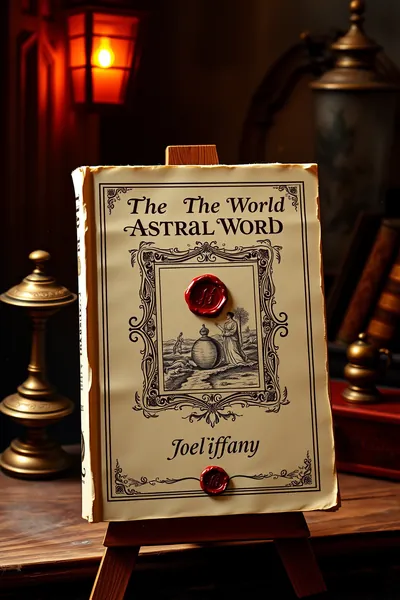
Building on foundational knowledge, intermediate texts deepen understanding of spirit communication. 'Tarot and Mediumship' by Silvia Hill connects divination tools with psychic sensing. 'Conscious Channeling from the Akashic Records When You Are Reading Tarot Cards' by Rozalia Horvath Balazsi explores advanced channeling. 'Companions in Spirit' by Laeh Maggie Garfield and Jack Grant discusses the nature of spirit guides. Joel Tiffany's 'The Astral World—Higher Occult Powers' offers detailed explanations of clairvoyance, mediumship, and spirit healing, providing a more comprehensive view.
Classical / Advanced Texts
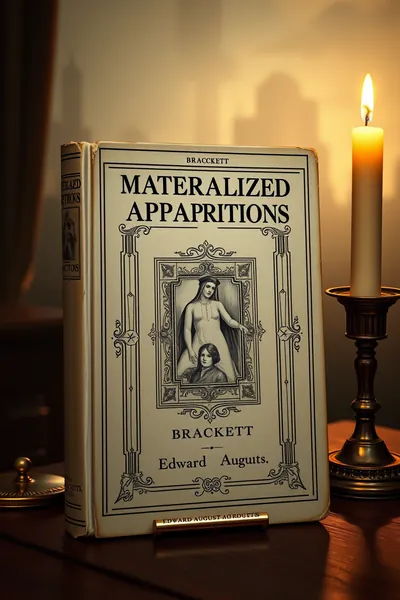
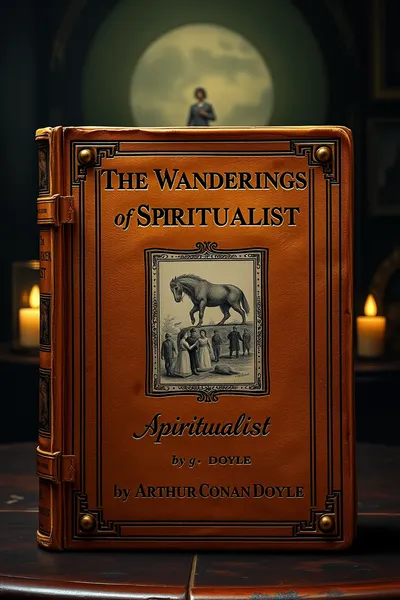
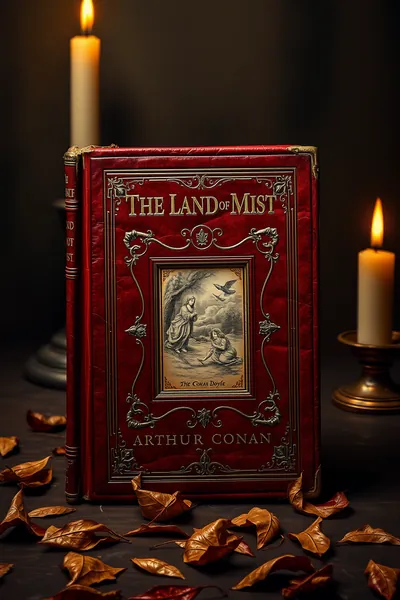
Historical accounts and detailed investigations form the core of advanced study. The 'Preliminary Report of the Commission Appointed by the University of Pennsylvania to Investigate Modern Spiritualism' by the Seybert Commission provides a critical, early examination of spiritualist phenomena. Arthur Conan Doyle's 'The Wanderings of a Spiritualist' and 'The Land of Mist' offer firsthand accounts and fictional explorations of spiritualism. Henry Ridgely Evans' 'Hours with the Ghosts' presents extensive investigations into spiritualism and theosophy, while Edward Augustus Brackett's 'Materialized Apparitions' questions the origins of observed phenomena.
Reading Order — Step by Step
Begin with foundational guides like 'Mediumship for Beginners' by Mari Silva and 'Llewellyn's Little Book of Spirit Communication' by Sterling Moon (Month 1, Weeks 1-2). Progress to books exploring specific techniques such as 'Mediumship Scrying and Transfiguration for Beginners' by Diana Palm and 'Tarot and Mediumship' by Silvia Hill (Month 1, Weeks 3-4). In Month 2, look at historical perspectives with Arthur Conan Doyle's 'The Wanderings of a Spiritualist' and Henry Ridgely Evans' 'Hours with the Ghosts'. By Month 3, engage with more analytical texts like the 'Preliminary Report of the Commission Appointed by the University of Pennsylvania' and Joel Tiffany's 'The Astral World'.
Frequently Asked Questions
Which spirit communication book should I read first?
For a gentle introduction, start with 'Mediumship for Beginners' by Mari Silva or 'Llewellyn's Little Book of Spirit Communication' by Sterling Moon. These books cover essential concepts without overwhelming new readers.
Are spirit photography books reliable?
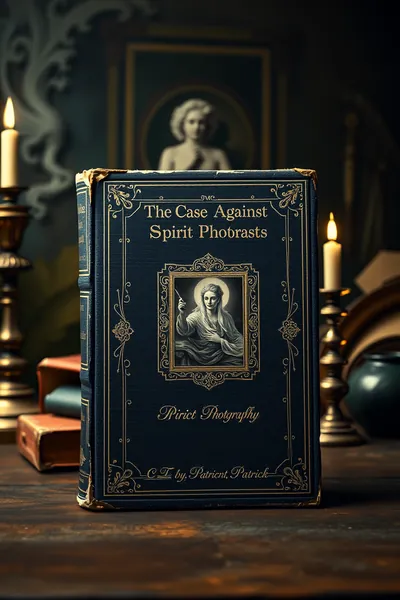
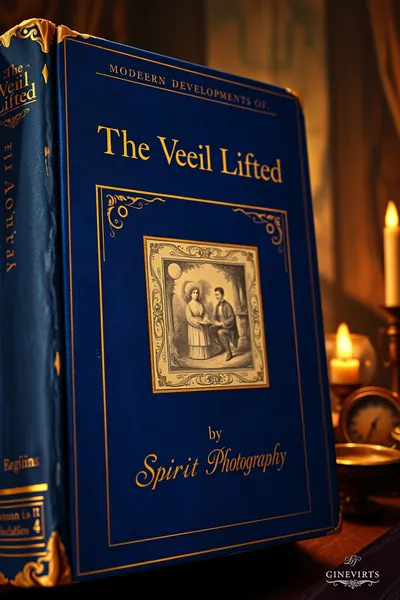
Historical texts like 'The Case Against Spirit Photographs' by C. Vincent Patrick and 'The Veil Lifted: Modern Developments of Spirit Photography' offer critical perspectives. Approach such materials with discernment, considering the era and the authors' methodologies.
What is the difference between mediumship and channeling?
Mediumship typically involves communication with spirits of the deceased, acting as an intermediary. Channeling is often broader, involving receiving messages or energy from higher consciousness, guides, or divine sources, as explored in 'Conscious Channeling from the Akashic Records'.
Can beginners learn spirit communication techniques?
Yes, books like 'Mediumship for Beginners' by Mari Silva and 'Mediumship Scrying and Transfiguration for Beginners' by Diana Palm are designed to guide beginners through practical exercises.
What historical context is important for understanding spiritualism?
Understanding the 19th and early 20th centuries is key. Texts like the 'Preliminary Report of the Commission Appointed by the University of Pennsylvania' and Arthur Conan Doyle's works provide insight into the era's fascination and investigations into spiritual phenomena.
How do books like 'Psychomancy' approach spirit communication?
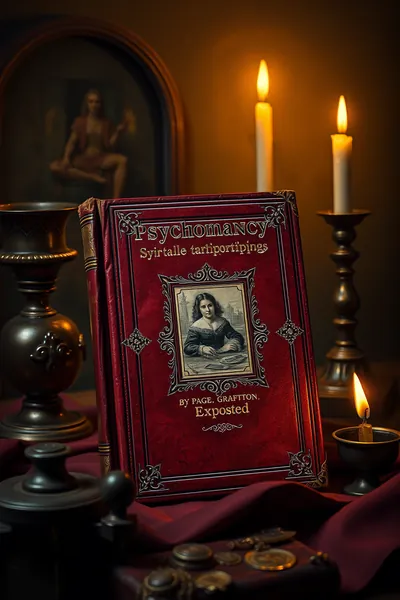
'Psychomancy: Spirit-Rappings and Table-Tippings Exposed' by Charles Grafton Page critically examines phenomena like table-tipping, often exposing them as trickery or misinterpretations rather than genuine spirit contact.
Are there books that debunk spirit communication claims?
Yes, historical reports like the 'Preliminary Report of the Commission Appointed by the University of Pennsylvania' and critical analyses such as 'Psychomancy' by Charles Grafton Page offer skeptical viewpoints and expose fraudulent practices.
What is the role of 'The Astral World' in spirit communication studies?
Joel Tiffany's 'The Astral World' studies related concepts like clairvoyance, spiritism, and spirit-healing, offering a more esoteric and comprehensive explanation of phenomena often associated with spirit communication.