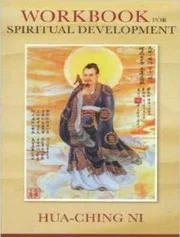
Workbook for Spiritual Development
 80
80

Workbook for Spiritual Development



The 'Workbook for Spiritual Development' by Hua-Ching Ni is a gem for modern esoteric seekers. In an age where spiritual practices are often diluted or commercialized, this workbook stands out for its authenticity and practicality. Ni's approach is grounded in ancient Taoist traditions, yet presented in a way that is relatable and applicable to contemporary life. The step-by-step guidance, accompanied by detailed diagrams, makes it easy for readers to incorporate these practices into their daily routines. The invocations for spiritual purification and protection are particularly powerful, offering a sense of security and clarity in one's spiritual journey. The absence of dogma or theories ensures that the workbook remains a tool for personal growth rather than a set of beliefs to be followed. Overall, this is a must-have for anyone serious about their spiritual development.
📝 Description
80
Hua-Ching Ni's 'Workbook for Spiritual Development' was published in 1997.
This workbook aims to guide individuals toward a more profound spiritual understanding through practical application. It moves beyond abstract concepts, offering concrete methods for personal growth. The text includes specific instructions for sitting and standing postures, essential for cultivating inner stillness. It also presents ancient invocations intended for spiritual purification and defense. These elements combine to form a daily resource for anyone committed to their spiritual path.
The book aims to make the deeper aspects of Taoism and Daoism accessible. It details symbolic meanings and hidden knowledge within these traditions. The goal is to facilitate a transformation in how practitioners perceive their spiritual practice. The material is presented in a way that supports consistent engagement and learning.
This workbook engages with the practical application of Taoist and Daoist principles, traditions often categorized within esoteric spirituality. Its focus on specific meditative postures, invocations, and symbolic interpretation aligns with practices aimed at direct spiritual experience and inner transformation. The work seeks to bridge ancient teachings with contemporary needs, making these methods available to those pursuing a deeper connection to the fundamental energies of existence. It is part of a lineage that emphasizes personal cultivation as the path to understanding universal truths.
💡 Why Read This Book?
Reading 'Workbook for Spiritual Development' today offers a unique opportunity to engage with ancient spiritual practices in a modern context. This book provides practical tools for daily spiritual growth, helping readers to achieve a deeper sense of purpose and connection. Whether you are looking to enhance your meditation practice, seek spiritual protection, or simply explore the esoteric, this workbook is an invaluable resource. It bridges the gap between historical wisdom and contemporary needs, making it a timeless guide for spiritual seekers.
⭐ Reader Reviews
Honest opinions from readers who have explored this book.
❓ Frequently Asked Questions
Is this book suitable for beginners?
Yes, the 'Workbook for Spiritual Development' is designed to be accessible for both beginners and advanced practitioners, with clear step-by-step guidance and detailed diagrams.
What formats is the book available in?
The book is available in EPUB, AZW3, and PDF formats, making it convenient for readers to access on various devices.
Does the workbook include theoretical content?
No, the workbook focuses on practical, hands-on spiritual practices rather than theoretical or dogmatic content.
🔮 Key Themes & Symbolism
Practical Spiritual Development
The workbook emphasizes a hands-on approach to spiritual development, providing practical exercises and step-by-step guidance that can be incorporated into daily life. This theme is central to the book's appeal, making spiritual achievement a tangible goal for readers.
Ancient Wisdom and Modern Application
The book examines the ancient wisdom of Taoism and Daoism, offering readers a way to apply these timeless teachings in their modern lives. The detailed descriptions of postures and invocations provide a bridge between the mystical past and the present.
Symbolism and Hidden Knowledge
The workbook explores the symbolism and hidden knowledge that underpin Taoism and Daoism, offering readers a deeper understanding of these mystical traditions. The diagrams and descriptions of postures and invocations are rich in symbolism, providing a window into the esoteric world of Taoist practice.
💡 Key Ideas
Editorial paraphrase of the work's core concepts — not direct quotes.
The path to spiritual development is a journey of self-discovery and inner transformation.
This quote underscores the workbook's focus on personal growth and spiritual achievement.
Ancient invocations hold the power to purify and protect the spirit.
This line highlights the esoteric practices and hidden knowledge offered in the workbook.
Each posture is a doorway to a deeper understanding of the Tao.
This quote emphasizes the symbolic and mystical aspects of the postures described in the book.
Spiritual development is a daily practice, not a distant goal.
This line underscores the workbook's practical, hands-on approach to spiritual achievement.
The Tao is within you, waiting to be discovered.
This quote speaks to the book's theme of self-discovery and inner transformation.
🌙 Esoteric Significance
Tradition
The workbook belongs to the Taoist tradition, which emphasizes the harmony between the individual and the natural world. It examines the esoteric practices and hidden knowledge that have been passed down through generations of Taoist practitioners.
Symbolism
Key symbols in the workbook include the diagrams of postures and the ancient invocations, which are rich in mystical and esoteric meanings. These symbols serve as a gateway to a deeper understanding of the Tao and the spiritual practices associated with it.
Modern Relevance
The workbook's modern relevance lies in its practical approach to spiritual development, making ancient Taoist practices accessible to contemporary seekers. Modern practitioners of Taoism and Daoism continue to use the workbook's exercises and invocations as a daily guide to spiritual achievement.
👥 Who Should Read This Book
Beginners will find the workbook's step-by-step guidance and detailed descriptions of postures and invocations particularly helpful in their spiritual journey. Scholars of Taoism and Daoism will appreciate the book's exploration of esoteric practices and hidden knowledge. Spiritual seekers who are serious about their development will find the workbook an invaluable tool for daily practice. Practitioners of Taoism and Daoism will benefit from the book's practical approach and the opportunity to deepen their understanding of these mystical traditions.
📜 Historical Context
The 'Workbook for Spiritual Development' was written during a time when interest in Eastern spirituality was growing in the West. Hua-Ching Ni's work provided a practical and accessible way for Westerners to engage with the ancient wisdom of Taoism and Daoism. The book's influence can be seen in the increasing popularity of Taoist practices and the integration of Eastern spirituality into Western spiritual traditions. Its emphasis on practical exercises and step-by-step guidance made it an important work in the field of spiritual development.
📔 Journal Prompts
How have the practices in the workbook influenced your understanding of spiritual development?
What ancient invocations have you found most effective in purifying and protecting your spirit?
In what ways have the postures described in the workbook enhanced your connection to the Tao?
How do you incorporate the workbook's exercises into your daily spiritual practice?
What new insights have you gained about the symbolism and hidden knowledge of Taoism and Daoism?
🗂️ Glossary
Tao
The fundamental principle that underlies the universe, often translated as 'the Way.'
Daoism
A philosophical and spiritual tradition that emphasizes living in harmony with the Tao.
Invocation
A ritualistic call to a spiritual entity or power for guidance, protection, or purification.
Posture
A specific bodily position used in spiritual practices to enhance focus, energy flow, and connection to the divine.
Spiritual Development
The process of growing and evolving on a spiritual level, often involving self-discovery, inner transformation, and a deeper connection to the divine.
This book appears in 6 collections
🔮 Readers Also Liked
Browse all →









More by Hua-Ching Ni
All books →



From the “Incantations” Collection
View all →






More Free Spiritual Development Books
View all →