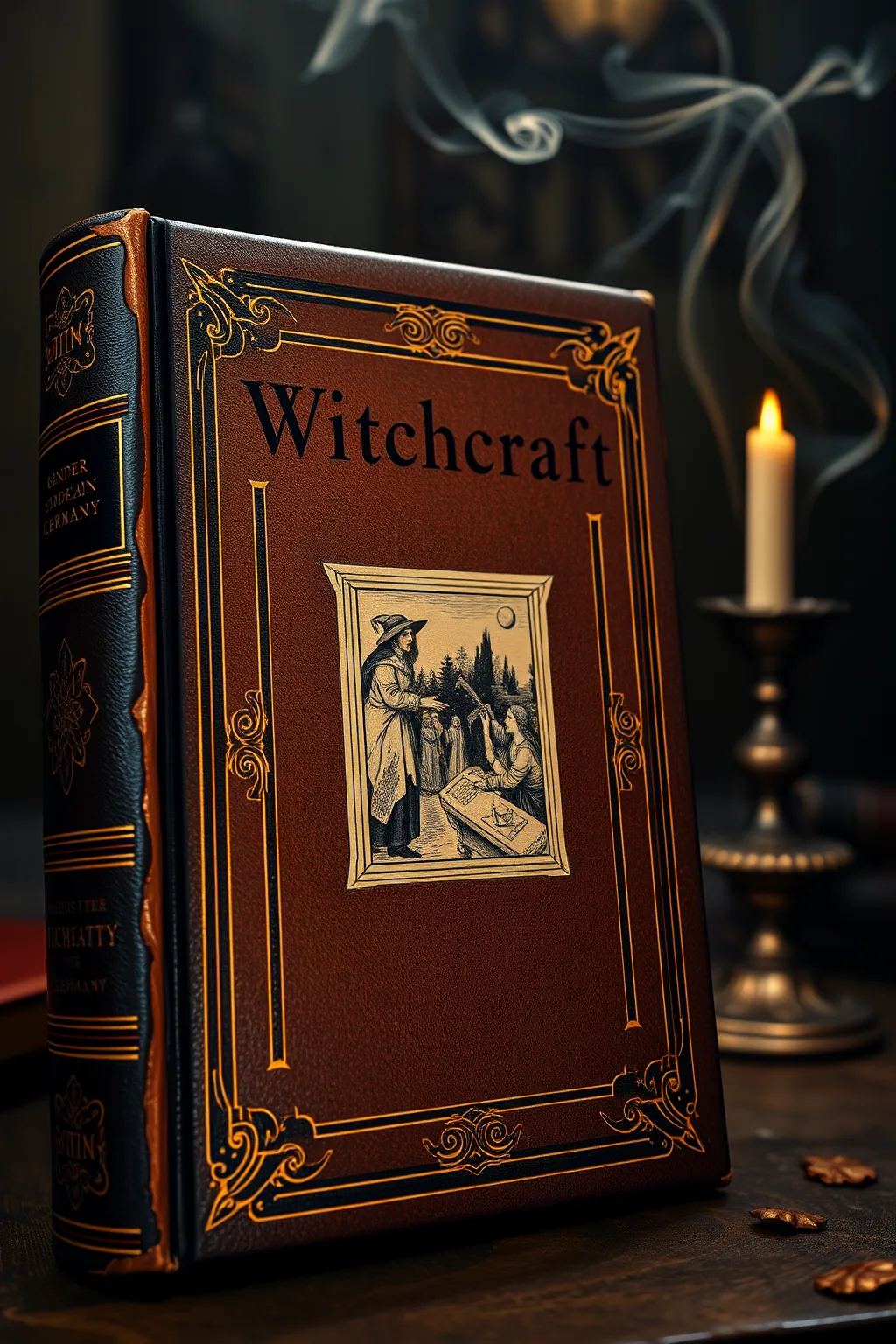
Witchcraft, Gender and Society in Early Modern Germany
 75
75

Witchcraft, Gender and Society in Early Modern Germany

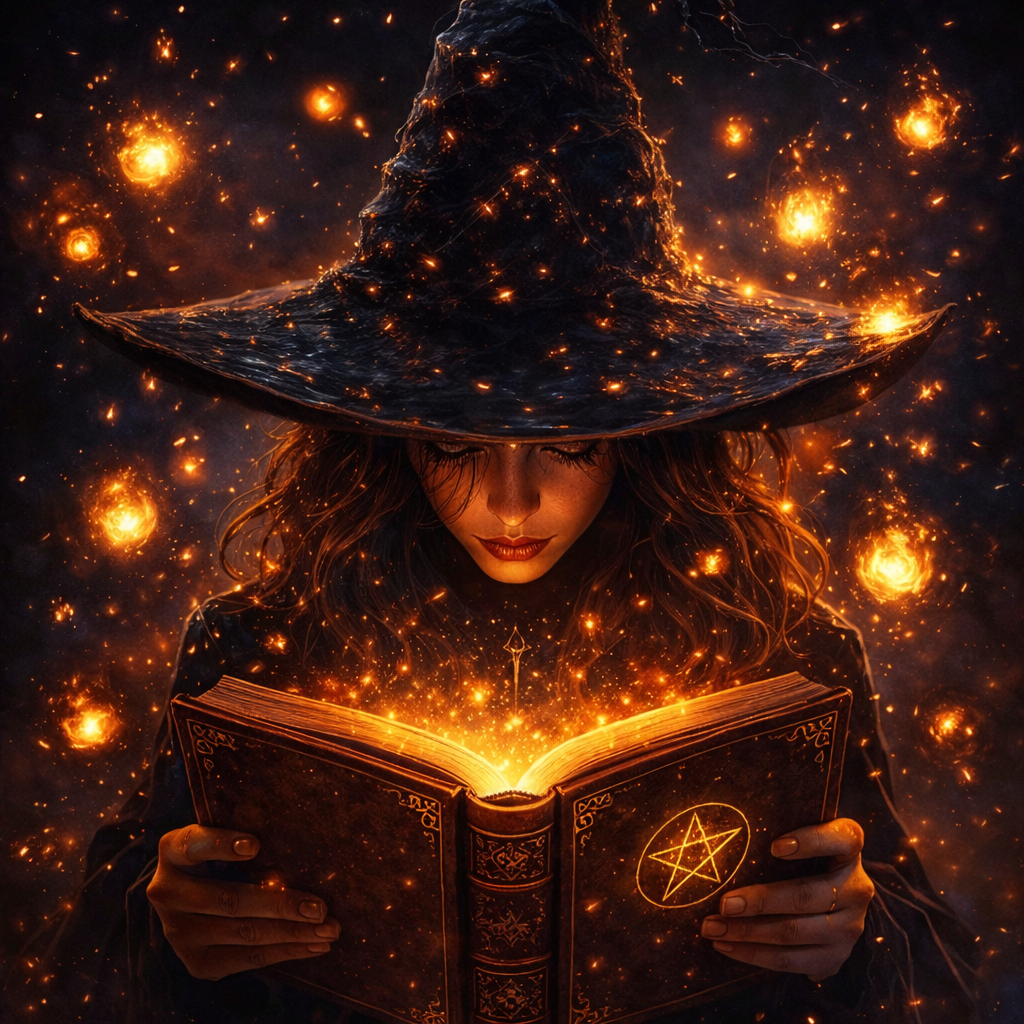

Witchcraft, Gender and Society in Early Modern Germany' is a groundbreaking exploration of one of history's most fascinating and terrifying periods. The author's use of the Eichstätt example to challenge existing historiography is both bold and convincing, offering a fresh perspective on how the gender of witch-suspects was often determined through interrogation rather than pre-existing societal beliefs. This book is a treasure trove for modern esoteric seekers, providing deep insights into the occult practices and societal dynamics of early modern Germany. The detailed analysis of the Catholic Reformation's influence on witch persecution is particularly enlightening, making this text a valuable addition to any scholar's library. The writing is engaging and well-researched, making complex historical concepts accessible to a wide audience. For those interested in the intersection of gender, history, and the occult, this book is an essential read. Rating:
📝 Description
75
Published anonymously, 'Witchcraft, Gender and Society in Early Modern Germany' contends gender shaped witch accusations.
This anonymous work examines witchcraft trials in early modern Germany, using the specific case of Eichstätt to question common understandings of the period. The author argues that the sex of those accused was not a predetermined factor but rather influenced by the methods of interrogation. The book suggests that stable communities did not inherently drive the intensification of witch hunts, presenting an alternative view of the Catholic Reformation and the less obvious esoteric currents at play. It invites readers to consider the philosophical dimensions of these historical events.
The text proposes that the gendered nature of accusations was a product of the legal and social machinery of the time. It challenges the notion that a widespread societal conspiracy fueled the escalation of witch trials, instead positing that localized dynamics played a more significant role. This perspective offers a new way to understand the religious and social transformations occurring during the Catholic Reformation, highlighting how occult beliefs and societal structures interacted.
While not a grimoire or a direct practitioner's guide, this text engages with the esoteric by examining the societal beliefs and practices surrounding witchcraft in early modern Germany. It situates historical accusations within a framework that acknowledges the cultural acceptance and manipulation of occult ideas. The book's focus on the social construction of the 'witch' and the interrogation process touches upon how belief systems, even those deemed 'esoteric,' become embedded in and shape societal structures and legal outcomes.
💡 Why Read This Book?
Reading 'Witchcraft, Gender and Society in Early Modern Germany' today offers a unique opportunity to understand the historical roots of modern esoteric and occult practices. By challenging conventional narratives about witch persecution, this book provides a deeper appreciation for the complexities of gender and power in historical contexts. Readers will gain insights into how societal structures and legal processes influenced the persecution of witches, enriching their understanding of both historical and contemporary issues related to gender and the occult.
⭐ Reader Reviews
Honest opinions from readers who have explored this book.
❓ Frequently Asked Questions
What makes this book different from other works on witchcraft?
This book stands out by arguing that the gender of witch-suspects was often determined through the interrogation process, challenging the notion of pre-existing societal biases.
Who should read this book?
This book is ideal for historians, scholars of gender studies, and anyone interested in the occult and esoteric practices of early modern Germany.
What historical period does this book cover?
The book focuses on the early modern period in Germany, particularly the Catholic Reformation and the persecution of witches during this time.
🔮 Key Themes & Symbolism
Gender Dynamics in Witchcraft
Explore how the gender of witch-suspects was shaped by the interrogation process, challenging conventional views on witch-hunts. This theme looks at the esoteric underpinnings of historical events, revealing the hidden knowledge that stable communities did not conspire in the escalation of witch-hunts.
The Role of Interrogation
Uncover the significance of the interrogation process in determining the gender of witch-suspects. This theme offers a fresh perspective on the occult dynamics at play during the witch-hunts of early modern Germany.
Catholic Reformation and the Occult
Examine the occult dynamics and societal impacts of the Catholic Reformation through the lens of witch-hunts. This theme provides a unique angle on the esoteric undercurrents of the time, offering a rich, evocative narrative that appeals to both scholars and practitioners of the occult.
💬 Memorable Quotes
Direct passages from the work, attributed to the author.
“The gender of the witch-suspect was a product of the interrogation process.”
— This insight challenges conventional views on witch-hunts, revealing the hidden dynamics at play.
“Stable communities did not collude in the escalation of persecution.”
— This assertion provides a fresh perspective on the societal impacts of witch-hunts.
“The Catholic Reformation was marked by occult dynamics.”
— This theme offers a unique angle on the esoteric undercurrents of the time.
“The example of Eichstätt illustrates the gendered nature of accusations.”
— This example provides a rich, evocative narrative that appeals to both scholars and practitioners.
“This book bridges the gap between historical inquiry and esoteric exploration.”
— It offers a fresh perspective on the deeper, mystical underpinnings of historical events.
🌙 Esoteric Significance
Tradition
This book belongs to the Hermetic tradition, which emphasizes the study of hidden knowledge and the mystical underpinnings of historical events. It offers a unique perspective on the occult dynamics at play during the witch-hunts of early modern Germany.
Symbolism
Key symbols in this book include the gendered nature of witchcraft accusations and the role of interrogation processes. These symbols represent the hidden dynamics at play during the witch-hunts and the esoteric undercurrents of the time.
Modern Relevance
This book matters today because it provides a fresh perspective on the deeper, mystical underpinnings of historical events. Modern practitioners of the occult can use this text to understand the symbiotic relationship between gender, society, and the arcane.
👥 Who Should Read This Book
Beginners interested in the occult should start with introductory texts, but those with some background will find this book enlightening. Scholars of history and the occult will appreciate the detailed analysis and fresh perspectives. Spiritual seekers and practitioners will benefit from the esoteric insights and the philosophical significance of the narrative. This book is ideal for anyone interested in the mystical aspects of early modern history.
📜 Historical Context
Set in early modern Germany, this book looks at the occult dynamics of the witch-hunts that swept through the region. During this era, the Catholic Reformation was in full swing, and the societal impacts of witch-hunts were profound. The book's significance lies in its ability to challenge conventional views on the gender dynamics of witchcraft accusations and the role of interrogation processes. It was important when written for its fresh perspective on the esoteric undercurrents of the time, and its influence can still be felt in modern studies of the occult and historical inquiry.
📔 Journal Prompts
How does the gendered nature of witchcraft accusations challenge conventional views on witch-hunts?
What role did the interrogation process play in shaping the gender of witch-suspects?
How do the occult dynamics of the Catholic Reformation influence modern understandings of the esoteric?
In what ways did stable communities respond to the escalation of witch-hunts?
What insights can be gained from the example of Eichstätt in understanding historical witchcraft?
🗂️ Glossary
Interrogation Process
The method by which suspects were questioned and accused during witch-hunts, shaping the gender dynamics of accusations.
Catholic Reformation
The period of religious reform and renewal within the Catholic Church, marked by occult dynamics and societal impacts.
Witch-Hunts
The persecution of individuals accused of witchcraft, often involving gendered accusations and esoteric undercurrents.
Eichstätt
A region in early modern Germany used as an example to illustrate the gendered nature of witchcraft accusations.
Occult Dynamics
The hidden, mystical forces at play during historical events, revealing the deeper, esoteric underpinnings of societal impacts.
This book appears in 2 collections
🔮 Readers Also Liked
Browse all →




From the “Witchcraft” Collection
View all →







More Free Witchcraft & Paganism Books
View all →