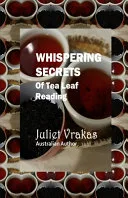
Whispering Secrets Of Tea Leaf Reading
 83
83

Whispering Secrets Of Tea Leaf Reading
Juliet Vrakas offers a deeply personal and experienced perspective on tasseography in Whispering Secrets Of Tea Leaf Reading. Her extensive background, spanning over 50 years, is evident in the nuanced guidance provided, moving beyond rote memorization of symbols. A particular strength lies in her emphasis on the 'intuitive whisper,' encouraging readers to trust their inner knowing alongside the visual cues. However, the book's historical context, while present, could have been more robustly integrated to contextualize Vrakas’s specific approach within the broader evolution of divination practices. The section on 'cup geometry' is a concrete and valuable takeaway, offering a practical framework for analysis that feels both traditional and fresh. Vrakas’s direct, unpretentious prose makes complex ideas accessible. This is a functional guide for the serious student of tea leaf reading.
📝 Description
83
Juliet Vrakas distills five decades of tea leaf reading experience into this guide.
Whispering Secrets Of Tea Leaf Reading by Juliet Vrakas is a guide to tasseography, the practice of divination using tea leaves. Vrakas, who has been a psychic medium and tea leaf reader for over fifty years, shares her knowledge in this accessible volume. The book goes beyond identifying common symbols. It teaches how to connect with the intuitive messages revealed by the patterns left in a teacup. Vrakas covers the entire process, from brewing the tea to interpreting the final residue, presenting a method that is both structured and personal.
This book is suitable for those new to divination and for experienced practitioners looking to improve their abilities. It will also interest individuals involved in alternative spiritual practices, intuition development, and the history of fortune-telling. Readers familiar with psychometry, scrying, or other object-based divination methods will find a distinct approach here. It offers a tangible, ritualistic way to engage one's intuition and seek clarity on life's issues.
Tasseography gained popularity in 18th-century Europe, linked to older divination forms like palmistry. Its modern shape solidified during the Victorian era's spiritualism boom. Vrakas's book enters a contemporary period where interest in historical esoteric arts is growing, often alongside mindfulness and self-discovery. This work connects to traditions that use everyday objects or natural signs for insight.
💡 Why Read This Book?
• Learn to interpret 'cup geometry' as detailed in Chapter 4, understanding how the placement of symbols within the teacup corresponds to distinct life areas, a method honed over Vrakas's 50 years of practice. • Develop the ability to discern the 'intuitive whisper,' a concept Vrakas emphasizes, allowing you to go beyond literal symbol meanings to grasp subtler, personalized messages from the leaves. • Gain practical skills in preparing the tea specifically for divination, as outlined in the 'Preparation Rituals' section, ensuring the medium is optimally aligned for insightful readings.
⭐ Reader Reviews
Honest opinions from readers who have explored this book.
❓ Frequently Asked Questions
What is the recommended type of tea for leaf reading in Juliet Vrakas's book?
Juliet Vrakas specifically recommends using loose-leaf black tea, such as an English Breakfast or a similar blend, for reading. The book details how the specific characteristics of loose leaves create clearer patterns than tea bags.
How many years of experience does the author, Juliet Vrakas, have in tea leaf reading?
Juliet Vrakas has over 50 years of experience as a Master Psychic Medium Channelor and Tea Leaf Reader, as stated in the book's foreword. This extensive background informs her teachings.
Does Whispering Secrets Of Tea Leaf Reading cover symbols beyond common ones?
Yes, the book discusses a range of symbols, moving beyond the most common to explore more obscure or nuanced patterns. It emphasizes interpreting these symbols within the context of the querent's life and the overall pattern.
What is the concept of 'intuitive whisper' in tea leaf reading according to this book?
The 'intuitive whisper' refers to the subtle, often non-literal messages that arise during a reading, guided by the reader's intuition. Vrakas encourages readers to trust these feelings alongside the visual interpretation of the leaves.
When was Whispering Secrets Of Tea Leaf Reading first published?
Whispering Secrets Of Tea Leaf Reading by Juliet Vrakas was first published on July 16, 2024.
Can beginners use this book for learning tea leaf reading?
Absolutely. The book is structured to guide beginners through the process, from preparation to interpretation, while also offering depth for more experienced readers.
🔮 Key Themes & Symbolism
Intuitive Connection
This theme explores the vital link between the reader, the querent, and the tea leaves themselves. Vrakas emphasizes that tasseography is not merely a mechanical process of symbol identification but a deeply intuitive art. The 'intuitive whisper' is presented as a crucial element, suggesting that the most useful insights arise when the reader attunes to subtle energetic messages beyond literal interpretations. This connection transcends time and space, allowing the patterns in the cup to reflect the querent's inner landscape and potential future trajectories.
Symbolism and Interpretation
The book explores the symbolic language inherent in tea leaf patterns. It moves beyond a static dictionary of symbols, advocating for contextual interpretation. Vrakas highlights 'cup geometry' as a framework, where the position and clustering of symbols within the teacup provide layers of meaning related to different life spheres. The work suggests that symbols can be fluid, their meaning shifting based on their proximity to other symbols and the overall narrative emerging from the cup.
Ritual and Preparation
Central to effective tea leaf reading is the ritualistic aspect, which Vrakas meticulously details. This includes the specific method of preparing the tea – favoring loose leaves over bags – and the manner in which the tea is consumed and the cup is handled. These preparatory steps are not arbitrary; they are designed to imbue the process with intention and focus, creating a sacred space for divination. The act of brewing and drinking becomes an integral part of the psychic connection.
Divination as a Tool for Self-Discovery
Whispering Secrets Of Tea Leaf Reading positions tasseography as more than just fortune-telling; it is presented as a profound tool for self-exploration and personal growth. The insights gained from readings are intended to illuminate blind spots, offer guidance on difficult decisions, and foster a deeper understanding of oneself. By engaging with the messages from the tea leaves, individuals are encouraged to reflect on their life paths and make more conscious choices.
💬 Memorable Quotes
Direct passages from the work, attributed to the author.
“The patterns in the cup are a conversation between your subconscious and the universe.”
— This statement expresses Vrakas's view of tasseography as a dialogue. It suggests that the tea leaves act as a conduit, translating inner psychic knowledge and universal energies into visible forms within the teacup for the reader to interpret.
“Don't just see a symbol; feel its resonance within the whole.”
— This highlights the book's emphasis on holistic interpretation over rote symbol memorization. It urges the reader to connect with their intuition and perceive the interconnectedness of symbols within the cup's geometry.
“The preparation of the tea is as vital as the reading itself.”
— This emphasizes the importance of ritual and intention in tasseography. It suggests that the act of brewing and preparing the tea sets the stage for the divination, influencing the clarity and accuracy of the reading.
“Beyond the common symbols lies a language of personal meaning.”
— This points to the nuanced approach of the book, suggesting that while common interpretations exist, the true power of tea leaf reading lies in uncovering the unique, personal significance of symbols for each individual.
💡 Key Ideas
Editorial paraphrase of the work's core concepts — not direct quotes.
Fifty years have taught me that tea holds more than just flavor; it holds answers.
This paraphrase underscores Vrakas's extensive experience and belief in the profound divinatory power of tea. It conveys the depth of knowledge gained through decades of dedicated practice.
🌙 Esoteric Significance
Tradition
Tasseography, as presented by Vrakas, aligns with the broader tradition of scrying and object-based divination found across many esoteric lineages. While not strictly tied to a single school like Hermeticism or Kabbalah, it shares common ground with practices that seek to divine hidden knowledge through mediums that reflect psychic energy. Its emphasis on intuition and symbolic interpretation places it within the general sphere of intuitive arts that gained prominence during the spiritualist movements of the 19th century.
Symbolism
Key symbols in tasseography often draw from archetypal imagery. For instance, a serpent symbol might represent transformation or hidden danger, echoing ancient wisdom traditions. A ship symbol frequently signifies journeys or new beginnings, reflecting humanity's age-old relationship with travel and exploration. Vrakas likely guides readers to interpret these symbols not just by their common meanings but by their specific context within the cup and the querent's life, adding a layer of personal resonance.
Modern Relevance
In contemporary esoteric circles, Vrakas's approach speaks to the growing interest in practical, accessible divination tools that can be integrated into daily life. Thinkers and practitioners in fields like intuitive development, mindfulness, and modern witchcraft often seek methods that are both symbolic and personal. Her work can be seen as a bridge between historical divination practices and the modern desire for self-discovery and psychological insight through esoteric means.
👥 Who Should Read This Book
• Aspiring Tasseographers seeking a foundational guide: Readers new to tea leaf reading will benefit from Vrakas's structured approach, covering preparation, symbol interpretation, and intuitive development. • Practitioners of other divination arts interested in comparative methods: Those familiar with tarot, runes, or palmistry can expand their repertoire by exploring the unique symbolic language and intuitive nuances of tasseography. • Individuals interested in psychological introspection through esoteric tools: Readers looking for a tangible, ritualistic practice to gain self-awareness and perspective on life challenges will find value in the book's focus on personal meaning.
📜 Historical Context
The practice of reading tea leaves, or tasseography, surged in popularity in 18th-century Europe, spurred by increased trade facilitated by entities like the British East India Company. This method of divination found fertile ground during the Victorian era's widespread interest in spiritualism and esoteric studies, a period marked by figures such as Helena Blavatsky and Arthur Conan Doyle exploring various occult arts. While rooted in older divination traditions, its modern form solidified during this time. Whispering Secrets Of Tea Leaf Reading emerges in the early 21st century, a period witnessing a significant revival of interest in historical divination practices, often integrated into contemporary wellness and mindfulness movements. This contemporary resurgence contrasts with the more formal, structured approaches popular in the late 19th century, and Vrakas’s work offers a personal, intuitive take on a practice with deep historical roots.
📔 Journal Prompts
The concept of 'cup geometry' and its relation to life areas.
Interpreting the 'intuitive whisper' alongside visual symbols.
The significance of loose-leaf tea preparation for divination.
Reflecting on a symbol's meaning beyond its dictionary definition.
Connecting the patterns in the cup to a specific life question.
🗂️ Glossary
Tasseography
The practice of divination by interpreting patterns formed by tea leaves, coffee grounds, or wine sediments in a cup.
Cup Geometry
A method of analyzing tea leaf patterns based on their position and distribution within the teacup, often correlating specific areas of the cup to aspects of the querent's life.
Intuitive Whisper
Subtle, non-literal insights or feelings received by the reader during a divination session, guiding the interpretation beyond standard symbolic meanings.
Querent
The individual for whom a divination reading is performed.
Loose-leaf Tea
Tea that is not in a tea bag, consisting of whole or broken tea leaves. Recommended for tasseography due to clearer pattern formation.
Symbolism
The use of images and figures to represent ideas or qualities, particularly in the context of interpreting patterns in tea leaves.
Psychic Medium
An individual who claims to be able to communicate with spirits or receive psychic impressions from the non-physical realm.