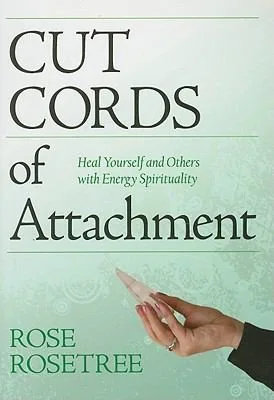
Cut Cords of Attachment
 72
72

Cut Cords of Attachment
Rose Rosetree’s "Cut Cords of Attachment" tackles a pervasive issue with refreshing directness. The book’s strength lies in its no-nonsense, step-by-step methodology for severing unhealthy energetic ties. Rosetree avoids New Age platitudes, presenting cord-cutting as a practical skill, akin to any other form of energetic hygiene. I found the detailed descriptions of how different types of cords manifest—like the "worry cord" or the "judgment cord"—particularly illuminating. A limitation, however, is the occasional lack of depth in exploring the psychological underpinnings of why certain attachments form so tenaciously. While the techniques are sound, a deeper dive into the archetypal patterns that invite these cords could enhance the reader's self-understanding. The passage detailing the specific visualization for releasing a cord to a former employer is a standout example of the book’s practical utility. Rosetree delivers a valuable toolkit for energetic liberation.
📝 Description
72
Rose Rosetree's 2010 book teaches practical methods for severing unhealthy energetic connections.
Published in 2010, Rose Rosetree's "Cut Cords of Attachment" presents practical techniques for energetic and emotional liberation. The book details how to identify and cut unhealthy energetic connections to people, places, and past events. It moves beyond abstract spiritual ideas to offer actionable methods for people wanting to reclaim their personal energy and emotional independence. The work stresses self-responsibility for maintaining energetic boundaries and fostering spiritual autonomy.
This guide is for individuals who feel drained, overly involved in others' problems, or burdened by past experiences. It suits those engaged in self-improvement, spiritual growth, or energy healing who want to manage energetic attachments better. Readers experiencing lingering emotional residue from relationships or difficult life events will find concrete strategies for clearing these influences. It is especially helpful for those familiar with energy work but seeking specific cord-cutting methods.
The idea of energetic cords and their severance appears in various spiritual traditions, particularly within New Age and energy healing circles from the late 20th century. Rosetree's book provides a structured approach to this concept, contrasting with more general energy clearing methods. Its 2010 publication aligns with a growing public interest in personal energy management and alternative healing modalities. Figures like Barbara Brennan and Donna Eden explored similar concepts of energetic anatomy, contributing to a broader understanding of these subtle connections.
💡 Why Read This Book?
• Learn specific visualization techniques for identifying and severing energetic cords, a method Rosetree details extensively, enabling you to reclaim personal energy from draining connections. • Understand the different classifications of psychic cords, such as "worry cords" and "judgment cords," as explained in the book, to better diagnose and address unhealthy attachments. • Gain practical skills for establishing and maintaining energetic boundaries, a core principle Rosetree emphasizes to foster greater spiritual independence and emotional autonomy.
⭐ Reader Reviews
Honest opinions from readers who have explored this book.
❓ Frequently Asked Questions
What is a psychic cord according to Rose Rosetree?
A psychic cord is an energetic connection, often unseen, that links individuals. Rosetree explains these can form between people, or between a person and places or past events, impacting emotional and energetic states.
When was 'Cut Cords of Attachment' first published?
Rose Rosetree's "Cut Cords of Attachment" was first published in 2010, placing it within the early 21st-century discourse on energy healing and personal development.
Can this book help with attachments to past traumas?
Yes, the book provides techniques for severing energetic ties to past events, including traumatic ones, to help release lingering emotional and energetic burdens.
Is this book suitable for beginners in energy work?
The book is accessible to beginners due to its clear, step-by-step instructions, though some familiarity with energy concepts can enhance understanding.
What is the primary goal of cutting cords of attachment?
The primary goal is to regain personal energy, achieve greater emotional freedom, and establish stronger energetic boundaries, fostering spiritual independence.
Does the book mention specific types of cords?
Yes, Rosetree details various types of cords, such as worry cords, judgment cords, and dependency cords, explaining their unique energetic signatures and impacts.
🔮 Key Themes & Symbolism
Energetic Cord Severance
The core of Rosetree's work is the detailed methodology for identifying and cutting energetic cords. These are described not as abstract concepts but as tangible energetic links that drain personal power and create unhealthy dependencies. The book provides practical exercises for visualizing these cords, understanding their nature (e.g., worry cords, judgment cords), and consciously releasing them. This theme emphasizes the active role individuals play in managing their energetic field and relationships.
Personal Energy Reclamation
A significant theme is the return of personal energy that has been inadvertently given away or siphoned off through attachments. Rosetree frames this as reclaiming sovereignty over one's own life force. The process of cord-cutting is presented as a direct path to restoring vitality, mental clarity, and emotional balance, thereby empowering individuals to live more fully and authentically.
Establishing Energetic Boundaries
The book underscores the importance of healthy energetic boundaries as a means of self-protection and maintaining spiritual integrity. Cutting cords is intrinsically linked to reinforcing these boundaries. By severing unhealthy connections, individuals learn to differentiate their energy from others', preventing psychic intrusion and fostering self-respect. This theme promotes a proactive approach to energetic hygiene.
Spiritual Independence
Rosetree advocates for a state of spiritual independence, where individuals are not overly reliant on others or external energies for their well-being. Cutting cords of attachment is a key practice in achieving this independence. It encourages self-reliance and fosters a direct connection to one's higher self or divine source, free from the energetic clutter of unresolved relationships or past entanglements.
💬 Memorable Quotes
Direct passages from the work, attributed to the author.
“You have the power to cut cords that drain you.”
— This statement captures the book's empowering message, emphasizing individual agency in managing energetic connections and reclaiming personal vitality.
“Attachments can manifest as worry cords, judgment cords, or dependency cords.”
— This highlights the specific categorization of unhealthy energetic links explored in the book, offering readers a framework to identify and understand their own energetic entanglements.
“Intention and visualization are key tools for cord-cutting.”
— This points to the practical, technique-focused nature of the book, indicating that the process relies on focused mental and energetic practices rather than passive observation.
“Energetic boundaries protect your personal space.”
— This succinctly explains the protective function of healthy energetic boundaries, a concept central to the book's teachings on maintaining one's energetic integrity.
💡 Key Ideas
Editorial paraphrase of the work's core concepts — not direct quotes.
Releasing old attachments frees up your energy for your own growth.
This paraphrase conveys the benefit of the cord-cutting process, framing it as a method to redirect vital energy from unproductive connections toward personal development and spiritual progress.
🌙 Esoteric Significance
Tradition
This work falls within the broad spectrum of Western Esotericism, particularly influenced by New Age thought and energy healing traditions that gained prominence in the late 20th century. It departs from older, more complex systems by focusing on a singular, practical technique. While not directly tied to Hermeticism or Kabbalah, it echoes their emphasis on energetic manipulation and the power of the mind, albeit in a simplified, accessible form for a contemporary audience seeking immediate results.
Symbolism
The primary symbol is the 'cord' itself, representing any binding energetic link, whether to a person, place, or past event. These cords are often visualized as ropes or chains, symbolizing restriction and entanglement. The act of 'cutting' the cord is a symbolic gesture of severing these ties, freeing oneself from the associated energy. Another implicit symbol is the 'personal energy field,' visualized as a protective bubble or aura that needs to be maintained and defended.
Modern Relevance
Contemporary practitioners of energy healing, coaches focused on emotional release, and individuals exploring mindfulness and self-empowerment techniques frequently draw upon the principles outlined in "Cut Cords of Attachment." The book's straightforward approach speaks to modern audiences seeking practical tools for managing stress, anxiety, and the energetic residue of modern life, making its concepts relevant to current discussions on mental wellness and energetic hygiene.
👥 Who Should Read This Book
• Individuals feeling energetically drained or overwhelmed by relationships: Those who consistently feel depleted after interactions or burdened by others' problems will find practical methods to reclaim their energy. • Practitioners of energy work seeking refinement: Existing energy healers or students of spirituality looking for specific techniques to address attachments and enhance energetic boundaries will benefit. • Anyone experiencing persistent emotional residue from past events: Readers struggling to move past old relationships, jobs, or life circumstances will discover actionable steps to release lingering energetic connections.
📜 Historical Context
Rose Rosetree's "Cut Cords of Attachment" emerged in 2010, a period when interest in personal energy, spiritual development, and alternative healing modalities was burgeoning. While the concept of energetic cords has roots in various esoteric traditions, Rosetree's work contributed to the popularization of practical, actionable cord-cutting techniques within the New Age and self-help spheres. This period saw contemporaries like Doreen Virtue popularizing angel communication and Barbara Brennan detailing energetic healing principles, creating a fertile ground for books offering specific methods for energetic management. Rosetree’s approach, however, distinguished itself by its direct, no-nonsense instruction, focusing on the practical application of cord-cutting as a distinct skill. The work did not face significant censorship but rather contributed to a growing discourse on psychic self-defense and energetic hygiene, aligning with a broader cultural shift towards personal empowerment and spiritual autonomy.
📔 Journal Prompts
Analyze the characteristics of a prominent worry cord you have identified.
Describe the process of visualizing your energy field after cutting a dependency cord.
Reflect on how establishing firmer energetic boundaries impacts your daily interactions.
Consider the types of attachments you might have to specific locations.
Map out the steps you will take to maintain spiritual independence going forward.
🗂️ Glossary
Psychic Cord
An energetic connection, often invisible, that links two individuals or an individual to a place or past event. These cords can transfer energy, emotions, and thought forms.
Energetic Attachment
A state where an individual is unduly connected to another person, entity, place, or situation through unseen energetic links, often resulting in energy drain or emotional entanglement.
Cord Cutting
The process of consciously severing unhealthy psychic cords, typically involving visualization and intention, to release oneself from draining energetic connections.
Worry Cord
A specific type of psychic cord formed through excessive concern or anxiety about another person, often draining both parties involved.
Judgment Cord
An energetic link created by holding negative judgments or criticisms towards another person, which can create energetic blockages for both individuals.
Energetic Boundaries
The invisible energetic field surrounding an individual that defines their personal space and protects them from unwanted energetic influences or intrusions.
Spiritual Independence
A state of self-reliance in spiritual and energetic matters, characterized by a strong connection to one's own inner guidance and a minimal reliance on external energetic dependencies.
🔮 Readers Also Liked
Browse all →









More by Rose Rosetree
All books →



More Free Occult Philosophy Books
View all →