Following the Animal
 78
78

Following the Animal
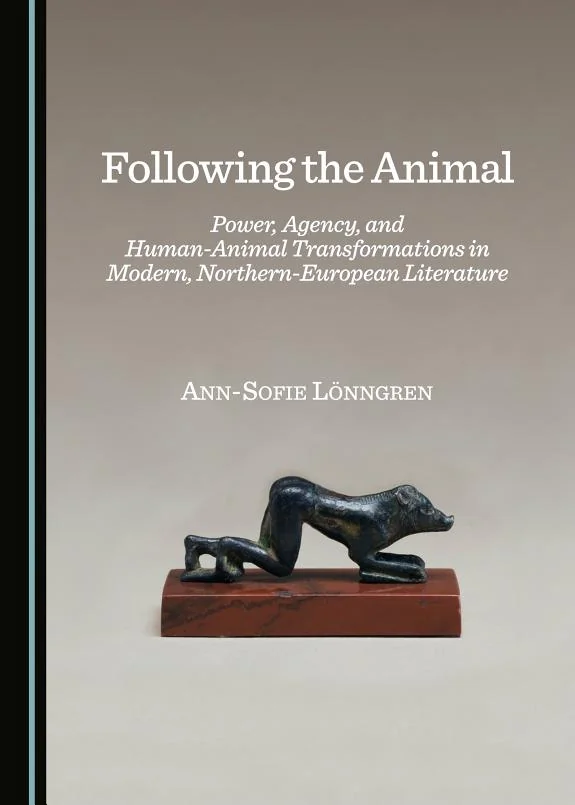
Ann-Sofie Lönngren's "Following the Animal" provides a focused literary examination of a persistent motif in storytelling: the human-animal transformation. The author skillfully applies contemporary literary theory to analyze how these narratives, particularly those originating from Northern Europe, articulate shifts in power and redefine agency. Lönngren's strength lies in her detailed readings of specific texts, offering fresh perspectives on familiar tropes. However, the book's academic rigor might present a barrier for the casual reader, as it assumes a familiarity with critical discourse. A particularly insightful section discusses the "radical nature of change" as depicted through animal metamorphosis, illustrating how such shifts challenge anthropocentric views. "Following the Animal" is a valuable academic contribution to the study of literary transformations.
📝 Description
78
Ann-Sofie Lönngren's 2015 book analyzes human-to-animal transformations in modern literature.
Published in 2015, Ann-Sofie Lönngren's "Following the Animal" provides a literary analysis of human-to-animal transformations. The study focuses on how these mythological and narrative devices operate within contemporary literature, with a particular emphasis on works from Northern Europe. Lönngren traces these shapeshifting motifs through a long tradition of myths and folklore, connecting them to ancient origins while firmly situating them within modern literary theory.
The book examines the persistent relevance of these transformations in understanding power dynamics and identity. Central concepts explored include agency, the nature of change, and how animal forms articulate the evolving relationship between humans and the non-human world. It is a work that will interest scholars of comparative literature, mythology, and folklore, especially those focused on recent European narratives and the philosophical implications of the human-animal boundary.
While not overtly occult, "Following the Animal" engages with the deep historical and symbolic resonance of transformation myths. These stories, often found in shamanic traditions and ancient folklore, concern the permeability of boundaries between species and states of being. Lönngren connects this enduring symbolic language to its expression in modern literary works, showing how narratives of metamorphosis continue to explore fundamental questions of identity, the wild, and the human relationship with the natural world. The book examines how these ancient motifs are recontextualized in a secular, modern literary framework.
💡 Why Read This Book?
• Gain insight into how literary shapeshifting, as explored in Ann-Sofie Lönngren's analysis of Northern European literature, serves as a narrative tool to depict shifts in power and agency. • Understand the philosophical implications of the human-animal relationship as examined through specific literary transformations discussed from the book's 2015 publication date. • Explore the concept of radical change and its representation in modern narratives, offering a unique lens on identity and transformation beyond conventional human experience.
⭐ Reader Reviews
Honest opinions from readers who have explored this book.
❓ Frequently Asked Questions
What is the primary focus of Ann-Sofie Lönngren's "Following the Animal"?
The book focuses on literary transformations from human to animal in modern literature, particularly from Northern Europe, analyzing how these portrayals reflect power, agency, and change.
When was "Following the Animal" first published?
"Following the Animal" by Ann-Sofie Lönngren was first published on September 10, 2015.
Which geographical region's literature is given specific attention?
The book pays specific attention to modern literature from Northern Europe.
What narrative themes are explored through human-to-animal transformations in the book?
The book explores themes of power, agency, and the radical nature of change as depicted through these transformations.
Who is the author of "Following the Animal"?
The author of "Following the Animal" is Ann-Sofie Lönngren.
What kind of insights does the book offer regarding human-animal relationships?
It offers insights into the human-animal relationship by analyzing how literary transformations provide a narrative space for their depiction and exploration.
🔮 Key Themes & Symbolism
Shapeshifting as Power
The work examines how the literary device of human-to-animal transformation has historically been employed to signify shifts in power dynamics. From ancient myths to contemporary narratives, assuming an animal form can represent a gain or loss of control, an assertion of primal force, or an escape from human constraints. Lönngren analyzes how these transformations in Northern European literature specifically serve as a narrative space to explore these complex negotiations of power, agency, and control.
Agency and the Non-Human
A central theme is the exploration of agency through the lens of the animal. By depicting characters transforming into animals, authors can challenge anthropocentric perspectives and grant agency to non-human forms or forces. The book investigates how these literary metamorphoses offer a unique way to understand the boundaries of selfhood and consciousness, questioning what it means to act and be acted upon when the form is no longer strictly human.
Radical Change and Identity
The radical nature of change is a core concept, with animal transformations serving as potent metaphors for profound personal or societal shifts. Lönngren's analysis studies how these narrative devices allow for the depiction of fundamental alterations in identity, perception, and existence. This theme is particularly relevant in understanding modern literature's engagement with transformation as a means to explore identity in flux and the inherent instability of being.
Human-Animal Symbiosis in Narrative
The book scrutinizes the evolving depiction of the human-animal relationship within literary contexts. Through the analysis of transformations, it reveals how narratives create spaces to examine interdependence, alterity, and the complex ethical and emotional connections between humans and animals. This focus provides critical insights into contemporary understandings and representations of our place within the broader natural world.
💬 Memorable Quotes
Direct passages from the work, attributed to the author.
“Literary transformations from human to animal have occurred in myths, folklore, fairy tales and narratives from all over the world since ancient times.”
— This foundational statement highlights the ancient and universal nature of shapeshifting as a narrative device, setting the stage for Lönngren's exploration of its modern literary applications.
“These transformations have always provided a narrative space for depictions of power, agency, and the radical nature of change.”
— This interpretation emphasizes the thematic significance of animal transformations, positioning them as crucial narrative tools for exploring fundamental aspects of human experience and societal structures.
“In Following the Animal, these transformations are analysed with regards to their use in modern literature from northern-most Europe.”
— This highlights the book's specific focus, indicating a concentrated study on contemporary literary works from a particular geographical and cultural region.
“Specific attention being paid to the insights they provide regarding the human-animal relationship.”
— This points to a key analytical objective: understanding how literary shapeshifting illuminates the complex and evolving dynamics between humans and the animal kingdom.
“The radical nature of change.”
— This phrase expresses a core thematic concern of the book, suggesting that animal transformations are employed in literature to represent profound and fundamental alterations in being.
🌙 Esoteric Significance
Tradition
While not explicitly tied to a single esoteric lineage like Hermeticism or Gnosticism, "Following the Animal" engages with themes resonant in many mystical traditions: the fluidity of identity, the exploration of consciousness beyond the human form, and the symbolic power of animal archetypes. Its approach is more aligned with literary and cultural studies of symbolism than with direct ritualistic or occult practice, yet it illuminates how ancient symbolic systems continue to inform modern storytelling.
Symbolism
The primary symbolism revolves around the animal form itself, representing primal instincts, untamed nature, heightened senses, or a return to a more fundamental state of being. The act of transformation symbolizes a profound shift in consciousness or identity, often challenging established norms of human existence. In many esoteric traditions, specific animals carry potent symbolic weight (e.g., the wolf for primal power, the raven for wisdom), and Lönngren's analysis implicitly touches upon how these archetypes function in contemporary narratives.
Modern Relevance
Contemporary thinkers exploring post-humanism, critical animal studies, and new materialisms find resonance in Lönngren's work. Scholars examining the Anthropocene and the ecological crisis often draw upon literary analyses that deconstruct human exceptionalism. Practices involving animal spirit guides or shamanic journeying, while distinct from literary analysis, also engage with the symbolic power of the animal form, suggesting a continued cultural fascination with the human-animal interface that Lönngren's book addresses through a scholarly lens.
👥 Who Should Read This Book
• Literary scholars and graduate students focusing on comparative literature, mythology, and folklore, particularly those examining contemporary Northern European texts. • Readers interested in philosophical inquiries into identity, consciousness, and the human-animal boundary as expressed through narrative. • Cultural theorists and ecocritics seeking to understand how literature engages with themes of power, agency, and transformation in relation to the non-human world.
📜 Historical Context
Ann-Sofie Lönngren's "Following the Animal" emerged in 2015, a period where literary criticism continued to engage deeply with post-structuralist and deconstructionist thought, particularly regarding identity and alterity. The book's focus on human-animal transformations aligns with a broader academic interest in ecocriticism and the critique of anthropocentrism, which gained momentum from the late 20th century onwards. While not directly engaging with the early 20th-century Theosophical movement's interest in animal consciousness, Lönngren's work revisits the ancient motif of shapeshifting through a contemporary literary lens. The book contributes to ongoing scholarly conversations about the boundaries of the human and the representation of the non-human in literature, building upon foundations laid by scholars like Michel Foucault and Donna Haraway. Its reception would have been within a landscape where feminist literary theory and post-colonial studies also frequently examined power structures and marginalized voices, providing a rich intellectual context for its analysis.
📔 Journal Prompts
The narrative space for depictions of power and agency.
Analysis of the human-animal relationship through literary transformations.
The concept of radical change as manifested in animal forms.
Modern literature from Northern Europe and its use of shapeshifting motifs.
Literary devices for exploring non-human agency.
🗂️ Glossary
Shapeshifting
The act or ability of a character or entity to change its physical form, most commonly from human to animal or vice versa, within a narrative context.
Agency
The capacity of an actor to act independently and make their own free choices. In literary analysis, it refers to characters' ability to exert influence or control within the narrative.
Anthropocentrism
The belief that human beings are the central or most significant entities in the universe; a worldview that considers humans as the measure of all things.
Metamorphosis
A transformation process, particularly a profound change in form or appearance. In literature, it often signifies a change in character, status, or understanding.
Human-Animal Boundary
The conceptual and often contested line drawn between human beings and other animals, explored in the book through literary representations of transformation.
Narrative Space
A conceptual area within a story where specific themes, conflicts, or character developments are explored and given form.
Northern European Literature
Literary works originating from the geographical and cultural region of Northern Europe, which forms a specific focus of the book's analysis.
This book appears in 1 collection
🔮 Readers Also Liked
Browse all →









From the “Shapeshifting” Collection
View all →





More Free Occult Philosophy Books
View all →