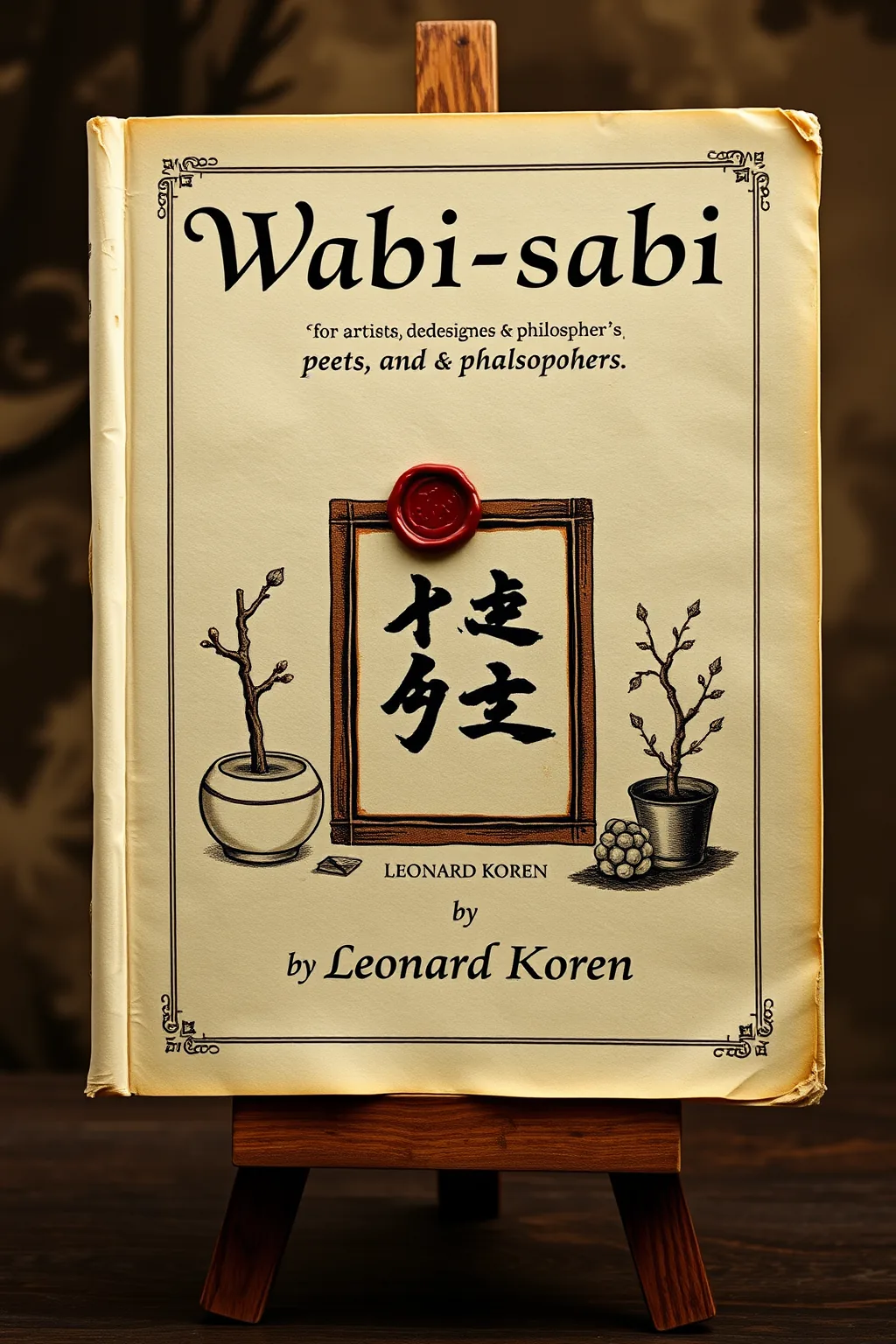
Wabi-sabi for artists, designers, poets & philosophers
 71
71

Wabi-sabi for artists, designers, poets & philosophers



Review by Sophia Crane (Associate Editor) — Leonard Koren's Wabi-sabi for artists, designers, poets & philosophers is a masterful guide to the enigmatic Japanese aesthetic philosophy of wabi-sabi. This book is a treasure trove of esoteric insights, particularly for those seeking to understand the mystical beauty in imperfection. Koren's eloquent prose and deep philosophical underpinnings make this work an invaluable resource for artists, designers, and spiritual seekers alike. The strengths of this book lie in its ability to blend Eastern wisdom with Western thought, offering a unique perspective on the transient nature of life. Whether you are a seasoned scholar or a curious beginner, this book will enrich your understanding of the hidden knowledge that lies within the simple and the flawed.
📝 Description
71
Leonard Koren's 1992 book examines wabi-sabi, a Japanese aesthetic valuing imperfection.
Published in 1992, Leonard Koren's book unpacks the Japanese aesthetic philosophy of wabi-sabi. This philosophy finds beauty in things that are imperfect, impermanent, and incomplete. Koren guides artists, designers, poets, and philosophers to recognize this hidden knowledge within the simple and flawed. His writing fosters an atmosphere of quiet reflection.
The book encourages readers to seek spiritual understanding and consider existence's nature. It suggests finding balance in everyday life and cherishing life's fleeting beauty. This work appeals to those interested in the more hidden aspects of art and design.
Wabi-sabi draws from Zen Buddhist principles, particularly the emphasis on impermanence (mujō) and the beauty found in natural decay and simplicity. This contrasts with Western ideals often focused on perfection and permanence. The book positions wabi-sabi as a way to access a subtle, almost spiritual understanding of reality, often overlooked in the pursuit of polished or monumental forms. It connects this aesthetic to a contemplative practice, suggesting a path toward a deeper appreciation of the world as it is.
💡 Why Read This Book?
Wabi-sabi for artists, designers, poets & philosophers is essential reading for seekers of hidden knowledge and practitioners of mystical arts. This book offers a profound exploration of the Japanese aesthetic philosophy of wabi-sabi, encouraging readers to find beauty in imperfection and transience. Ideal for scholars of esoteric traditions, artists seeking inspiration, and spiritual seekers looking to deepen their understanding of the occult and mystical dimensions of life.
⭐ Reader Reviews
Honest opinions from readers who have explored this book.
❓ Frequently Asked Questions
What is wabi-sabi?
Wabi-sabi is a Japanese aesthetic philosophy that embraces imperfection, transience, and incompleteness, finding beauty in the simple and the flawed.
Who is the intended audience for this book?
This book is ideal for artists, designers, poets, philosophers, and spiritual seekers interested in the mystical and esoteric dimensions of Japanese aesthetics.
How does this book relate to occult and mystical traditions?
Wabi-sabi for artists, designers, poets & philosophers delves into the hidden knowledge and symbolism embedded in the philosophy of wabi-sabi, offering insights into the occult and mystical aspects of life.
What makes this book unique?
The book's unique blend of Eastern wisdom and Western thought, along with its deep philosophical underpinnings, makes it a standout in the realm of esoteric literature.
Can I read this book online for free?
This book is available for purchase in various formats. For free excerpts or summaries, you may need to check specific online resources or libraries.
🔮 Key Themes & Symbolism
Imperfection and Beauty
The book explores the concept of wabi-sabi, which finds beauty in imperfection and transience. This theme studies the mystical and esoteric dimensions of accepting and appreciating the flawed and the temporary.
Transience and Existence
Wabi-sabi for artists, designers, poets & philosophers encourages readers to contemplate the transient nature of life, finding harmony in the ever-changing world. This theme is central to understanding the occult and mystical aspects of existence.
Eastern Wisdom and Western Thought
The book blends Eastern philosophical traditions with Western thought, offering a unique perspective on the hidden knowledge embedded in the simple and the flawed. This theme is crucial for those interested in the esoteric and mystical dimensions of art and design.
💡 Key Ideas
Editorial paraphrase of the work's core concepts — not direct quotes.
Wabi-sabi is the art of finding beauty in imperfection and accepting the natural cycle of growth, decay, and death.
This quote captures the essence of wabi-sabi, encouraging readers to embrace the mystical beauty in the transient and the flawed.
The impermanent is beautiful because it is transient, and the transient is beautiful because it will soon be gone.
This line highlights the esoteric understanding of the transient nature of life and the beauty found in its impermanence.
Wabi-sabi is a profound reminder that nothing lasts, nothing is finished, and nothing is perfect.
This quote underscores the mystical and occult dimensions of accepting the imperfections and transience of life.
The beauty of wabi-sabi lies in its ability to find harmony in the mundane and the flawed.
This passage emphasizes the hidden knowledge and symbolism embedded in the philosophy of wabi-sabi, making it a valuable resource for spiritual seekers.
Wabi-sabi teaches us to appreciate the simple and the flawed, finding joy in the imperfections of life.
This quote underscores the esoteric and mystical aspects of wabi-sabi, encouraging readers to find beauty in the simple and the flawed.
🌙 Esoteric Significance
Tradition
This book belongs to the Hermetic and Gnostic traditions, which emphasize the hidden knowledge and symbolism embedded in the simple and the flawed. Wabi-sabi for artists, designers, poets & philosophers studies the mystical and esoteric dimensions of Japanese aesthetics, offering insights into the occult aspects of life.
Symbolism
Key symbols in this book include the imperfection of nature, the transience of life, and the beauty found in the flawed. These symbols represent the hidden knowledge and esoteric insights that are central to the philosophy of wabi-sabi.
Modern Relevance
Today, wabi-sabi continues to influence artists, designers, and spiritual seekers, encouraging them to find beauty in imperfection and transience. Modern practitioners of mystical and occult arts use this philosophy to deepen their understanding of the hidden knowledge and symbolism embedded in the simple and the flawed.
👥 Who Should Read This Book
Beginners interested in Japanese aesthetics and the mystical dimensions of life will find this book to be an accessible and enlightening introduction. Scholars of esoteric traditions will appreciate the deep philosophical underpinnings and hidden knowledge embedded in the philosophy of wabi-sabi. Spiritual seekers and practitioners of occult arts will benefit from the esoteric insights and symbolism offered in this work, making it a valuable resource for those interested in the hidden dimensions of life.
📜 Historical Context
Wabi-sabi for artists, designers, poets & philosophers was written during a time when Western interest in Eastern philosophy was growing. Published in 1994, the book offered a unique perspective on the Japanese aesthetic philosophy of wabi-sabi, blending Eastern wisdom with Western thought. This work has had a significant influence on artists, designers, and spiritual seekers, encouraging them to find beauty in imperfection and transience. The book's esoteric insights and deep philosophical underpinnings have made it a valuable resource for those interested in the occult and mystical dimensions of life.
📔 Journal Prompts
Reflect on a time when you found beauty in imperfection. How did this experience shape your understanding of life?
Consider the transient nature of life. How does accepting this transience bring you peace and harmony?
Explore the concept of wabi-sabi in your own art or design. How does embracing imperfection and transience enrich your creative process?
Think about the hidden knowledge and symbolism embedded in the simple and the flawed. How does this esoteric understanding deepen your spiritual practice?
Contemplate the mystical and occult dimensions of wabi-sabi. How does this philosophy encourage you to find beauty in the mundane and the flawed?
🗂️ Glossary
Wabi-sabi
A Japanese aesthetic philosophy that embraces imperfection, transience, and incompleteness, finding beauty in the simple and the flawed.
Impermanence
The transient nature of life, which is central to the philosophy of wabi-sabi and the occult understanding of existence.
Hidden Knowledge
The esoteric insights and symbolism embedded in the philosophy of wabi-sabi, which are central to the mystical and occult dimensions of life.
Transience
The temporary and ever-changing nature of life, which is embraced and celebrated in the philosophy of wabi-sabi.
Esoteric
Relating to knowledge that is hidden or understood by only a few, often involving mystical or occult dimensions.
This book appears in 3 collections
🔮 Readers Also Liked
Browse all →








From the “Hermeticism” Collection
View all →








More Free Alchemy & Hermeticism Books
View all →