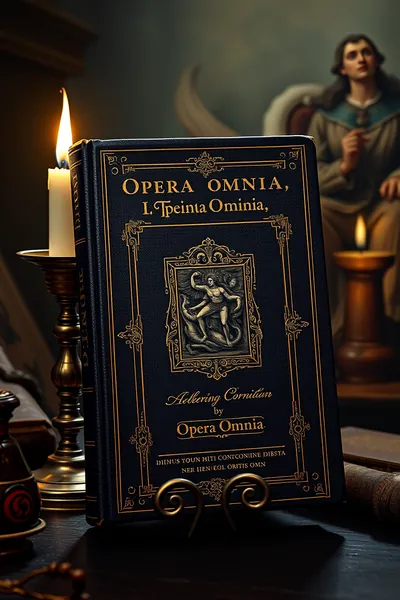
True magick

 74
74

True magick
Amber K's "True Magick" presents a refreshingly direct approach to the occult arts, eschewing overly mystical jargon for clear, actionable instruction. The book's strength lies in its structured progression, guiding the reader from fundamental principles of energy manipulation and will to the construction and execution of complex rituals. One particularly effective section details the "Circle of Art," providing precise instructions that underscore the book’s practical orientation. However, the sheer density of information, while a boon for the dedicated student, might prove somewhat overwhelming for absolute beginners unfamiliar with esoteric terminology. The author assumes a certain level of commitment and prior reading, which, while appropriate for the subject matter, does create a steeper initial learning curve. "True Magick" offers a solid, no-nonsense framework for those committed to serious magickal development.
📝 Description
74
Amber K's 'True Magick', published in 2006, teaches practical occultism beyond theory.
Amber K's "True Magick" offers a practical approach to occultism, moving beyond theory to actionable techniques. Published in 2006, it aims to equip serious students of the occult with a structured methodology for magickal practice. The book emphasizes personal experience and direct engagement with occult forces. It covers foundational concepts and advanced applications, designed for those ready to develop their skills through consistent practice and a deep understanding of underlying principles. This work is for the dedicated practitioner seeking clarity and a step-by-step guide.
The book systematically addresses core magickal concepts such as energy, will, and visualization. It introduces the magician's personal universe and working with different planes of existence. The focus remains on developing inner strength and self-discipline as essential components of magickal development. It provides a framework for individuals to implement magickal principles directly into their lives.
Published in 2006, "True Magick" appeared during a resurgence of interest in Western esoteric traditions. It followed influential figures like Aleister Crowley and Dion Fortune. As the internet became a major source for occult information, Amber K's structured, practical guide served as a counterpoint to less verified online content. The book contributes to the articulation of modern magickal practice, building on established frameworks while prioritizing personal growth and direct experience.
💡 Why Read This Book?
• Gain a structured, step-by-step methodology for practical magickal operations, moving beyond theory to direct experience, as detailed in the 'Circle of Art' construction sections. • Develop a disciplined approach to occult practice by understanding the importance of personal will and energy manipulation as explained in the foundational chapters. • Acquire techniques for effective visualization and ritual creation, enabling you to perform magick with greater precision and intent, drawing on the detailed exercises provided.
⭐ Reader Reviews
Honest opinions from readers who have explored this book.
❓ Frequently Asked Questions
When was True Magick first published and by whom?
True Magick by Amber K was first published in 2006, offering a comprehensive guide to practical occultism for a new generation of practitioners.
What is the primary focus of Amber K's True Magick?
The book focuses on providing actionable techniques and a structured approach to magickal practice, emphasizing personal experience and direct engagement with occult forces.
Is True Magick suitable for complete beginners in occultism?
While it covers foundational concepts, the book's density and assumed knowledge might make it more suitable for those who have already engaged with introductory occult materials.
What kind of exercises can one expect in True Magick?
Readers can expect exercises focused on energy manipulation, visualization techniques, and the construction and execution of rituals, all presented with a practical, step-by-step methodology.
Does True Magick discuss the ethics of magick?
Yes, the book touches upon the ethical considerations and inherent responsibilities that accompany the practice of magick, integrating them into the practical guidance offered.
What historical period does True Magick's publication relate to?
Published in 2006, it emerged during a time of increased online occult information, providing a structured, practical counterpoint to less organized material, building on earlier 20th-century occult foundations.
🔮 Key Themes & Symbolism
Will and Energy Manipulation
Central to "True Magick" is the concept of the magician's will as the primary engine for effecting change. Amber K details methods for cultivating and directing this will, often through focused visualization and emotional charging. The book elaborates on understanding and manipulating subtle energies, both internal and external, presenting these as fundamental skills for any magickal endeavor. This focus distinguishes it from purely philosophical or theoretical occult texts, prioritizing tangible results through disciplined practice.
Ritual Construction and Practice
The book provides a detailed framework for designing and performing effective magickal rituals. It breaks down the components of ritual, from preparatory work and the creation of sacred space (like the "Circle of Art") to the invocation of forces and the final closing. Emphasis is placed on the psychological and energetic impact of ritual, encouraging practitioners to imbue their workings with personal meaning and power. This systematic approach aims to clarify ritual, making it a reproducible and potent tool.
The Magician's Universe
Amber K introduces the notion of the magician's personal universe – a psycho-spiritual construct shaped by beliefs, perceptions, and magickal actions. This concept highlights the subjective nature of magickal experience and the power an individual holds in defining their reality. The work explores how understanding and consciously shaping this inner universe is crucial for external manifestation, linking personal development directly to magickal efficacy. It encourages introspection and self-awareness as integral parts of the magickal path.
Foundational Esoteric Principles
Beyond specific techniques, "True Magick" grounds its practices in core esoteric principles. It explores the interconnectedness of all things, the dualistic nature of many magickal forces, and the importance of balance. The text often implicitly draws from Western Hermeticism and other traditions, presenting them in a practical, experiential context. The aim is to provide a solid theoretical underpinning that supports the practical exercises, ensuring the practitioner understands the 'why' behind the 'how'.
💬 Memorable Quotes
Direct passages from the work, attributed to the author.
“Magick is the science and art of causing change to occur in conformity with Will.”
— This foundational definition emphasizes the active, intentional nature of magick, positioning it as both a structured discipline ('science') and a creative pursuit ('art') driven by focused intent.
“The Circle of Art is the magician's primary tool for creating a contained and focused environment.”
— This highlights the practical importance of establishing a defined space for ritual, suggesting it’s not merely symbolic but a functional element for concentrating magickal energy and intent.
“Energy Work is the bedrock upon which all other magickal techniques are built.”
— This interpretation underscores the fundamental role of understanding and manipulating energy, presenting it as the essential prerequisite for more complex magickal operations.
“Visualization allows the magician to impress ideas and forms onto the subtle realms.”
— This explains the mechanism of visualization as a method for projecting desired outcomes or forms into the energetic or psychic environment, influencing reality.
“The magician must cultivate self-awareness to understand the forces they are working with, both within and without.”
— This emphasizes the crucial link between inner development and external magickal success, suggesting that understanding one's own psyche is key to mastering occult forces.
🌙 Esoteric Significance
Tradition
"True Magick" largely operates within the framework of modern Western Esotericism, particularly drawing from Hermetic and Ceremonial Magick traditions. It builds upon principles established by earlier occult orders and authors but reframes them with an emphasis on psychological integration and practical application. While not strictly adhering to a single historical lineage, it synthesizes elements common in traditions that focus on the development of the individual will and the conscious manipulation of subtle energies to effect change.
Symbolism
Key symbolic motifs include the "Circle of Art," representing a consecrated space for focused magickal work, acting as a microcosm of the universe and a shield against unwanted influences. The concept of "energy" itself functions symbolically, representing the fundamental life force and the medium through which magickal intent is expressed. While specific planetary or elemental symbols might be used, the overarching symbolism centers on the magician's internal world and its projection outward.
Modern Relevance
Contemporary practitioners engaged with modern witchcraft, chaos magick, and advanced ceremonial magick often find value in "True Magick's" structured approach. Its emphasis on disciplined practice, energy work, and the clear articulation of ritual components appeals to those seeking a robust system that can be adapted to diverse personal paths. Thinkers and practitioners focusing on applied magick and the psychology of consciousness continue to reference its methodical techniques for developing core magickal skills.
👥 Who Should Read This Book
['• Aspiring ceremonial magicians seeking a structured curriculum for developing foundational skills in energy work and ritual construction.', '• Dedicated practitioners of modern witchcraft looking to deepen their understanding of will, visualization, and the principles behind effective spellcasting.', '• Students of Western Esotericism interested in a practical, experiential guide that bridges historical concepts with contemporary application.']
📜 Historical Context
Amber K's "True Magick" (2006) entered a landscape significantly shaped by the digital age's proliferation of esoteric information. The early 21st century saw a surge in online occult communities, often characterized by a mix of genuine practice and unsubstantiated claims. In this environment, K's work stood out for its structured, disciplined approach, drawing implicitly from the lineage of Western Esotericism exemplified by figures like Aleister Crowley and the Hermetic Order of the Golden Dawn, but presented with a modern, pragmatic focus. Unlike the more academic or historical explorations of magick prevalent in some circles, or the often esoteric language of earlier authors like Dion Fortune, "True Magick" prioritized clear, actionable instruction. Its publication offered a counter-narrative to the often-fragmented knowledge available online, providing a coherent system for dedicated practitioners seeking to build a solid foundation.
📔 Journal Prompts
Reflect on the concept of the magician's will as presented in the introductory chapters.
Analyze the steps involved in constructing your own "Circle of Art" based on the book's guidelines.
Consider the role of energy manipulation in achieving desired changes, as detailed in the foundational sections.
Evaluate the effectiveness of visualization techniques described for impressing forms onto subtle realms.
Explore the relationship between self-awareness and magickal efficacy discussed in the text.
🗂️ Glossary
Magick
Defined as the science and art of causing change to occur in conformity with Will. It encompasses a wide range of practices aimed at influencing events or consciousness through focused intent and energy manipulation.
Will
The fundamental driving force in magickal practice. It refers to focused intention, directed desire, and the conscious power of the magician to effect change.
Energy
The subtle, fundamental force that permeates all existence. Magickal practice often involves learning to perceive, generate, direct, and manipulate this energy.
Visualization
The mental act of creating vivid images or scenes in the mind's eye. In magick, it is used to formulate intent, charge symbols, and impress desired outcomes onto energetic fields.
Ritual
A structured series of actions, words, and gestures performed with specific intent, typically to create a magickal effect or alter consciousness. It involves symbolic actions and energetic manipulation.
Circle of Art
A consecrated space, typically a circle, created for ritual work. It serves to contain energy, focus intent, and protect the magician during operations.
Subtle Realms
Non-physical planes of existence or consciousness that are influenced by and influence the physical world. These are often accessed or affected through magickal means.
🔮 Readers Also Liked
Browse all →





More by Amber K
All books →

More Free Witchcraft & Paganism Books
View all →