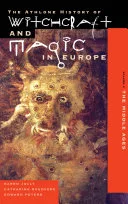
Witchcraft and Magic in Europe, Volume 3
 80
80

Witchcraft and Magic in Europe, Volume 3
The collaborative effort in *Witchcraft and Magic in Europe, Volume 3* presents a scholarly, if at times dense, exploration of magic between late antiquity and the cusp of the Reformation. Its strength lies in meticulously detailing the integration of magical concepts into learned discourse, particularly regarding natural philosophy and divination. The editors, Karen Jolly, Catharina Raudvere, and Edward Peters, assemble contributions that meticulously trace these threads. A notable passage might detail the specific legal or theological condemnations of certain divination techniques, offering concrete examples of how magic was policed. However, the academic rigor, while commendable, can sometimes obscure the lived experience of practitioners, making the popular dimension feel less immediate than the intellectual history. The work offers a valuable, albeit demanding, perspective on a crucial formative period for Western magical traditions.
📝 Description
80
This 2004 examination traces pre-Reformation European magic beyond simple notions of witchcraft.
Published in 2004, Witchcraft and Magic in Europe, Volume 3, by Karen Jolly, Catharina Raudvere, and Edward Peters, analyzes magic across medieval and early modern European societies. The authors move past popular ideas about witchcraft to present magic as a complex system of belief and practice. They show how magic was connected to intellectual, religious, and social structures.
The book examines how magic was understood, debated, and used by various groups. It covers the period from the late 4th century to the 16th century, a time when magic was part of both scholarly discussion and daily life. The authors place the study of magic within the context of changing theological ideas, philosophical investigations into natural forces, and the growing organization of knowledge, particularly in healing and divination.
This volume situates the study of magic within the historical development of European thought and practice. It examines concepts such as the occult virtues of nature, divination arts, and the use of charms. The work analyzes how these elements were viewed by religious and secular authorities and how they were integrated into the lives of ordinary people during a period of significant theological and philosophical shifts. It contrasts scholarly understanding with everyday application, showing magic as a subject of both learned debate and common use.
💡 Why Read This Book?
• Understand the historical context of magic beyond folklore: Learn how learned scholars in the period between St. Augustine and the 16th century engaged with concepts of natural magic and divination, as explored in the book's analysis of occult virtues. • Grasp the academic discourse surrounding magic: Gain insight into how theological and philosophical debates, particularly those surrounding the Council of Trent (though later than the book's primary focus, it contextualizes the era), shaped perceptions of magic. • Appreciate the complexity of medieval practices: Discover specific examples of healing and divination techniques discussed, moving beyond simplistic portrayals to see magic as a multifaceted aspect of European life and thought.
⭐ Reader Reviews
Honest opinions from readers who have explored this book.
❓ Frequently Asked Questions
What specific historical period does Witchcraft and Magic in Europe, Volume 3 cover?
The volume focuses on the period spanning from the age of St. Augustine (roughly 4th-5th century CE) through to the 16th-century reformations, examining the evolution of magic during this extensive historical timeframe.
What are some key applications of magic discussed in the book?
The book delves into magic's use in practical contexts such as healing and divination, as well as its connection to the understanding of nature's hidden virtues and secrets by scholars of the era.
Who are the primary authors or editors of this volume?
This volume is edited by Karen Jolly, Catharina Raudvere, and Edward Peters, bringing together diverse scholarly perspectives on the subject.
Is this book focused on folk magic or learned magic?
The work addresses both; it explores magic as a matter of popular practice alongside its treatment as a subject of learned inquiry among intellectuals of the period.
What is the relationship between magic and the knowledge of nature in the book?
The book investigates how magic was seen as an aspect of understanding nature's 'occult virtues' and secrets, linking magical practices to a deeper, often hidden, knowledge of the natural world.
When was Witchcraft and Magic in Europe, Volume 3 first published?
The original publication date for this volume is January 1, 2002.
🔮 Key Themes & Symbolism
Magic as Learned Inquiry
This volume meticulously details how magic was not solely a area of superstition but was also a subject of serious intellectual engagement among scholars and theologians. It examines the philosophical underpinnings and learned discourse surrounding magical practices, particularly how concepts of 'occult virtues' and the hidden properties of nature were explored. The work situates these inquiries within the broader intellectual currents of late antiquity and the Middle Ages, showing how magic intersected with nascent scientific thought and theological debates.
Popular Practice and Belief
Beyond academic circles, the book investigates the tangible presence of magic in the daily lives of Europeans. It explores practices related to healing, protection, and divination, demonstrating how these were integrated into common life. By analyzing sources that touch upon popular customs, the volume offers a view of magic as a functional aspect of society, addressing concerns from well-being to fortune-telling, and how these practices were perceived by both practitioners and authorities.
Divination and Natural Secrets
A significant focus is placed on the art of divination and the pursuit of knowledge regarding nature's secrets. The work examines various methods employed to foresee the future or uncover hidden truths about the natural world, linking these practices to a broader understanding of magic as a means of accessing veiled knowledge. This includes exploring how the perceived 'occult virtues' of plants, minerals, and celestial bodies were interpreted and utilized.
Theological and Social Context
The volume situates the study of magic within its complex theological and social environment. It analyzes how religious doctrines and ecclesiastical authorities responded to and regulated magical practices. By understanding the societal norms and religious frameworks of the time, from St. Augustine's era through the Reformation, the book illuminates the pressures, condemnations, and accommodations that shaped the field of magic in medieval and early modern Europe.
💬 Memorable Quotes
Direct passages from the work, attributed to the author.
“Magic was both a matter of popular practice and of learned inquiry.”
— This core assertion highlights the dual nature of magic during the period studied. It was not confined to hidden rituals of the uneducated but was also a subject of intellectual exploration and debate among scholars and theologians.
“The volume deals with its use in such contexts as healing and divination.”
— This points to the practical applications of magic that the book investigates. Healing and divination were key areas where magical beliefs and practices directly intersected with the needs and concerns of individuals in medieval and early modern society.
“Magic as an aspect of the knowledge of nature's occult virtues and secrets.”
— This phrase captures the philosophical dimension of magic discussed, where it was understood as a system for comprehending the hidden forces and secret properties inherent in the natural world, distinct from purely empirical observation.
“Between the age of St. Augustine and the sixteenth century reformations.”
— This temporal framing is crucial, establishing the historical scope. It signifies an examination of magic's evolution across a significant span of European history, encompassing major shifts in religious and intellectual thought.
“Magic continued to be both a matter of popular practice and of learned inquiry.”
— This reiterates the book's central thesis regarding the complex nature of magic. It emphasizes that throughout this long historical period, magic maintained its presence in both everyday life and sophisticated intellectual discussions.
🌙 Esoteric Significance
Tradition
While not strictly an esoteric text itself, this volume is crucial for understanding the historical roots of many Western esoteric traditions. It situates magical practices within the broader intellectual and religious history of Europe, providing context for Hermeticism, Neoplatonism, and early forms of natural magic that would later be revived and reinterpreted by esotericists. It bridges the gap between historical anthropology of magic and its philosophical underpinnings.
Symbolism
The book explores concepts central to esoteric thought, such as 'occult virtues' – the hidden powers and properties believed to reside within natural objects like herbs, stones, and celestial bodies. It also examines divination, a practice fundamental to many esoteric paths seeking knowledge of the future or hidden realities. These elements represent a desire to understand and manipulate the unseen forces governing the cosmos.
Modern Relevance
Contemporary practitioners of Western Esotericism, particularly those interested in ceremonial magic, natural magic, and traditional witchcraft, draw on scholarship like this to understand the historical development and intellectual lineage of their practices. Thinkers in comparative religion and history of consciousness also utilize such works to trace the evolution of magical thinking and its influence on Western culture and philosophy.
👥 Who Should Read This Book
• Academic researchers in history, religious studies, and the history of magic: Gain access to scholarly analyses of pre-Reformation magical beliefs and practices, essential for understanding the intellectual and social context of the era. • Students of Western Esotericism: Understand the historical foundations and intellectual currents that influenced later magical and occult traditions, moving beyond modern interpretations to historical realities. • Enthusiasts of medieval and early modern European history: Discover how magic permeated society, from learned discourse to everyday life, offering a nuanced perspective on a often-misunderstood aspect of the past.
📜 Historical Context
Published in 2002, *Witchcraft and Magic in Europe, Volume 3* emerged during a period of intense academic re-evaluation of witchcraft and magic, moving beyond earlier, more sensationalist narratives. The period covered, from St. Augustine's era through the 16th century, was marked by profound intellectual and religious transformations. The work addresses the complex interplay between Christian theology, classical learning, and folk traditions. Contemporaries like Keith Thomas were publishing influential works on the social history of magic and the supernatural. This volume specifically engages with the learned discourse, contrasting it with popular practice, and situates these discussions within the burgeoning intellectual landscape that preceded and coincided with the Protestant and Catholic Reformations, a time when the boundaries of acceptable knowledge were fiercely debated.
📔 Journal Prompts
The concept of 'occult virtues' and its relation to natural philosophy.
The role of divination practices in medieval and early modern European society.
How learned inquiry into magic differed from popular practice.
The theological reception of magic between St. Augustine and the 16th century.
The integration of healing practices within magical frameworks.
🗂️ Glossary
Occult Virtues
Hidden or secret powers believed to be inherent in natural objects (plants, minerals, celestial bodies) that could be accessed or manipulated through magical or alchemical means.
Divination
The practice of seeking knowledge of the future or the unknown by supernatural means, such as astrology, haruspicy, or bibliomancy.
Learned Inquiry
The systematic investigation and study of a subject by scholars, often involving philosophical reasoning, theological interpretation, and reference to classical texts.
Popular Practice
Customs, beliefs, and rituals that are widespread among the general population, often passed down through oral tradition and related to everyday concerns.
Reformation
The 16th-century religious movement that led to the establishment of Protestant churches and denominations, significantly altering the religious field of Europe.
St. Augustine
A prominent theologian and philosopher whose writings (e.g., 'City of God') profoundly influenced Christian thought and shaped early medieval intellectual discourse.
Natural Magic
A branch of magic focused on understanding and manipulating the inherent powers and virtues within the natural world, often seen as distinct from demonic or ceremonial magic.