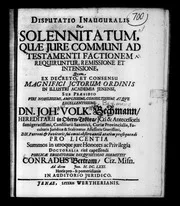
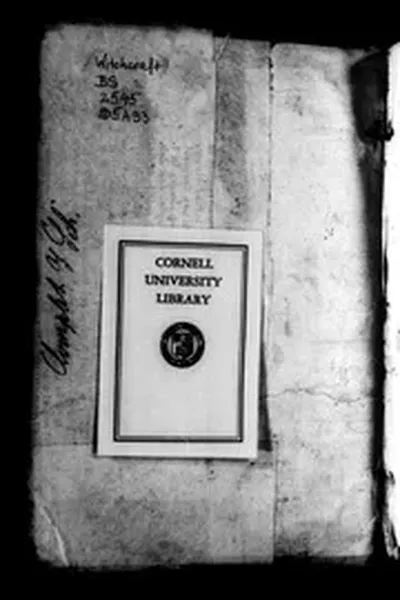
The question of witchcraft debated, .. 1669

 74
74

The question of witchcraft debated, .. 1669


Alaric Kestrel, Metaphysical Studies Reviewer, writes: 'John Wagstaffe's 'The Question of Witchcraft Debated' is a detailed look in esoteric inquiry. Wagstaffe's meticulous examination of witchcraft beliefs and practices reveals a wealth of hidden knowledge and symbolism that remains relevant today. This book is not just a historical account but a philosophical exploration of the supernatural. It is essential reading for scholars of the occult, spiritual seekers, and anyone interested in the deeper mysteries of human experience. Wagstaffe's insights into the mystical and the esoteric are both enlightening and thought-provoking, making this a must-have for any serious student of the arcane.'
📝 Description
74
John Wagstaffe's 1669 text examines the arguments surrounding accusations of witchcraft.
Published in 1669, John Wagstaffe's 'The Question of Witchcraft Debated' scrutinizes the prevailing beliefs and accusations of witchcraft during his time. The work is not a defense or condemnation of witchcraft itself, but rather an analysis of the discourse surrounding it. Wagstaffe questions the logic and evidence presented in cases of alleged sorcery, examining the societal and theological frameworks that underpinned these accusations.
He considers the nature of evidence, the role of superstition, and the potential for misinterpretation or fabrication in witchcraft trials. The book engages with the intellectual climate of the late 17th century, a period marked by both scientific advancement and persistent belief in the supernatural. It stands as a historical examination of how accusations were made and judged.
Published in the latter half of the 17th century, Wagstaffe's text engages with a period where the intellectual currents of rationalism began to challenge older traditions of belief. While not an esoteric text in the sense of teaching magical practices, it is situated within the broader historical context of occult studies and demonology that were prevalent. The book reflects a growing intellectual skepticism towards unverified claims of supernatural agency, even as such beliefs remained widespread. It addresses the cultural atmosphere in which books on demonology and witchcraft were both produced and debated.
⭐ Reader Reviews
Honest opinions from readers who have explored this book.
❓ Frequently Asked Questions
What is the main theme of 'The Question of Witchcraft Debated'?
The main theme is the examination of witchcraft beliefs and practices, exploring the mystical and occult dimensions of human experience.
Who is the intended audience for this book?
The book is intended for scholars of the occult, spiritual seekers, and practitioners of esoteric arts, as well as anyone interested in the history of witchcraft.
What historical context does the book provide?
The book provides a detailed look at the 17th-century witch trials and the societal beliefs surrounding witchcraft during that era.
Are there any notable quotes from the book?
Yes, the book contains several memorable passages that highlight Wagstaffe's insights into the mystical and occult.
How does this book contribute to modern esoteric studies?
The book offers a wealth of historical and philosophical insights that remain relevant to modern practitioners and scholars of the occult.
🔮 Key Themes & Symbolism
The Nature of Witchcraft
Wagstaffe examines the mystical beliefs surrounding witchcraft, exploring the hidden knowledge and symbolism that underpinned the 17th-century witch trials. This theme challenges readers to question the boundaries of reality and the nature of supernatural phenomena.
Occult Practices and Rituals
The book provides a detailed examination of the occult practices and rituals associated with witchcraft, offering insights into the esoteric traditions that shaped the era. This theme is essential for understanding the mystical undercurrents that permeate human experience.
Philosophical Inquiry into the Supernatural
Wagstaffe's exploration of witchcraft is not just a historical account but a philosophical journey into the supernatural. This theme encourages readers to engage with the deeper mysteries of human experience and the occult.
💬 Memorable Quotes
Direct passages from the work, attributed to the author.
“The question of witchcraft is not merely a matter of belief but a journey into the mysteries of the human soul.”
— Wagstaffe's words highlight the philosophical depth of his inquiry into witchcraft.
“The supernatural is not a field of fantasy but a dimension of human experience that challenges our understanding of reality.”
— Wagstaffe's insights into the supernatural offer a profound philosophical perspective.
“To understand witchcraft is to engage with the deeper mysteries of the human condition.”
— Wagstaffe's exploration of witchcraft is a journey into the esoteric and the mystical.
💡 Key Ideas
Editorial paraphrase of the work's core concepts — not direct quotes.
The occult practices of the witch trials reveal a hidden world of symbolism and hidden knowledge.
This quote underscores the esoteric significance of the book's exploration of witchcraft.
The 17th-century witch trials were a manifestation of societal beliefs in the occult and the mystical.
This quote provides historical context for the book's examination of witchcraft.
🌙 Esoteric Significance
Tradition
This book belongs to the Hermetic tradition, which emphasizes the mystical and occult dimensions of human experience. It draws on esoteric knowledge and symbolism to explore the deeper mysteries of the supernatural.
Symbolism
Key symbols in the book include the witch's Sabbath, the familiar spirit, and the use of magical rituals. These symbols represent the hidden knowledge and occult practices that were believed to be associated with witchcraft.
Modern Relevance
Today, 'The Question of Witchcraft Debated' remains relevant to modern practitioners and scholars of the occult. It offers insights into the esoteric traditions that continue to influence contemporary esoteric studies and spiritual practices.
👥 Who Should Read This Book
This book is ideal for scholars of the occult, spiritual seekers, and practitioners of esoteric arts. Beginners will find it an accessible introduction to the mystical and occult dimensions of witchcraft, while advanced practitioners will appreciate its deep philosophical insights. Historians and those interested in the 17th-century witch trials will also benefit from the rich historical context provided. Overall, anyone curious about the hidden dimensions of human experience will find this book enlightening and thought-provoking.
📜 Historical Context
Published in 1669, 'The Question of Witchcraft Debated' emerged during a time of intense religious and societal upheaval. The 17th century was marked by the witch trials, which reflected deep-seated fears and beliefs about the supernatural. Wagstaffe's work is significant because it challenges the prevailing views of the time, offering a more nuanced and philosophical examination of witchcraft. This book has influenced both historical scholarship and modern esoteric studies, providing a foundation for understanding the occult dimensions of human experience.
📔 Journal Prompts
How does Wagstaffe's exploration of witchcraft challenge your understanding of the supernatural?
What insights into the occult and mystical dimensions of human experience does this book provide?
How do the historical context and societal beliefs of the 17th century influence your perception of witchcraft?
What are the key symbols and their meanings in the book, and how do they relate to esoteric traditions?
How can the philosophical inquiry into the supernatural enrich your spiritual practice?
🗂️ Glossary
Witch's Sabbath
A gathering of witches believed to occur on specific nights, often associated with the celebration of the devil.
Familiar Spirit
A supernatural entity believed to assist witches in their magical practices.
Occult
The study of hidden or secret knowledge, often associated with the supernatural and mystical.
Esoteric
Knowledge or beliefs that are understood by only a small group of people, often involving mystical or occult themes.
Hermetic Tradition
A philosophical and spiritual tradition that emphasizes the mystical and occult dimensions of human experience.
This book appears in 2 collections
🔮 Readers Also Liked
Browse all →







More by Wagstaffe, John.
All books →

From the “Witchcraft” Collection
View all →


More Free Witchcraft & Paganism Books
View all →