The Golden Bough

 83
83

The Golden Bough



Balthazar Finch (Senior Critic, Occult Philosophy): 'The Golden Bough' remains an indispensable cornerstone for any serious student of the arcane and the human psyche. Frazer’s exhaustive comparative analysis illuminates the deep currents of magical thinking and mythopoetic consciousness that underpin so many esoteric traditions. Its strength lies not just in its breadth of examples, but in its systematic revelation of the common psychological springs driving diverse religious phenomena. While some interpretations may be debated by modern scholars, its foundational insights into ritual, taboo, and the concept of the divine king are profoundly illuminating for practitioners and scholars alike seeking to understand the roots of Western esotericism.
📝 Description
83
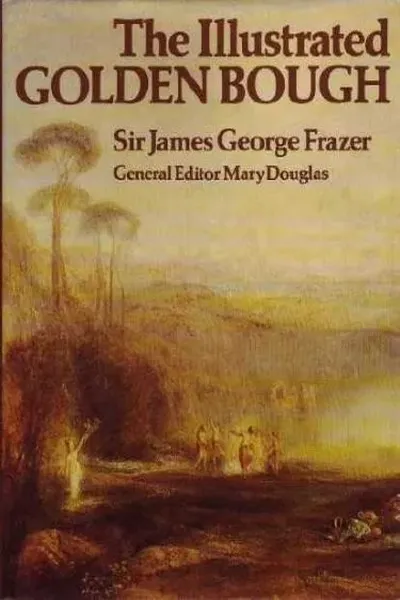
First published in 1890, James George Frazer's 'The Golden Bough' collected myths and rituals from around the world.
James George Frazer's extensive study, 'The Golden Bough,' examines myths, magic, and religion across numerous cultures. He sought to trace the development of human belief from primitive magic to organized religion. Frazer details practices such as sympathetic magic, the symbolism of fertility rites, and the rituals surrounding kingship and sacrifice. He argues that many religious ideas and practices have their roots in ancient, often magical, beliefs.
The work is organized thematically, comparing similar customs and stories found in disparate societies. Frazer proposes that much of what appears to be distinct religious or magical practice shares a common underlying structure. His comparative method aims to reveal universal patterns in human thought about the divine and the natural world. The book's vast scope and ambitious thesis have made it a significant, though debated, text in the study of folklore and comparative religion.
Published in 1890, 'The Golden Bough' became a touchstone for late Victorian and early 20th-century occult and esoteric thought. While Frazer presented his work as anthropological science, its detailed accounts of magic, shamanism, and ancient cults resonated deeply with those seeking alternative spiritual frameworks. Figures involved in movements like the Hermetic Order of the Golden Dawn and later ceremonial magicians drew upon its descriptions of ritual practices and esoteric symbolism. The book's comparative approach, linking diverse traditions through shared archetypes, appealed to a desire for a universal, hidden spiritual grammar.
✍️ Author
James George Frazer
Sir James George Frazer was a Scottish anthropologist and folklorist, best known for his work on comparative religion and mythology.
A foundational scholar whose "The Golden Bough" provided an exhaustive comparative study of magic, myth, and religion, offering critical context for understanding the historical roots and cross-cultural expressions of esoteric traditions and ancient beliefs.
- The Golden Bough: A Study in Magic and Religion
- Balder the Beautiful
- Totemism and Exogamy
💡 Why Read This Book?
Uncover the universal patterns of human spirituality and belief. Explore the hidden roots of ancient rituals and myths that still resonate today. For seekers of hidden knowledge, scholars of comparative religion, and practitioners of esoteric arts, this work offers a profound lens through which to understand the collective unconscious and the enduring power of symbolic expression.
⭐ Reader Reviews
Honest opinions from readers who have explored this book.
❓ Frequently Asked Questions
What is 'The Golden Bough' primarily about?
It is a seminal work of comparative mythology and anthropology that explores the shared themes, rituals, and beliefs across ancient religions and folklore worldwide, focusing on magic, sacrifice, and sacred kingship.
Who was James George Frazer?
A Scottish anthropologist and folklorist, Frazer is best known for 'The Golden Bough,' a monumental study that profoundly influenced the fields of anthropology, mythology, and literary criticism.
Is this book suitable for beginners in esotericism?
While dense, its extensive examples and clear exposition make it accessible to determined beginners. It serves as an excellent foundational text for understanding the historical and comparative aspects of many esoteric concepts.
What is the significance of the 'Golden Bough' itself?
The title refers to a plant described in Roman mythology, associated with the Sibyl and the underworld, symbolizing a key to hidden knowledge and the passage between worlds, a central motif in Frazer's exploration of magical and religious practices.
How does this book relate to modern esoteric practices?
It provides crucial historical and mythological context for many modern esoteric symbols, rituals, and archetypes, offering insights into their origins and enduring psychological resonance.
🔮 Key Themes & Symbolism
Sacred Kingship and Divine Rulership
This theme looks at the ancient concept of the king as a divine or semi-divine figure, often embodying the fertility and prosperity of his land. Frazer meticulously examines the practices surrounding such rulers, including their installation, their sacred duties, and their often violent succession, revealing a widespread belief in the direct link between the ruler's well-being and the fate of the community. It explores the symbolic death and rebirth of the king as a means of renewal for the cosmos.
The Sympathetic Magic and Ritual Transformation
Frazer meticulously maps the pervasive human impulse to influence the natural and supernatural worlds through magical means. This theme highlights the principles of sympathetic magic – like affecting like, and contiguity – as understood and practiced across diverse cultures. It examines the intricate web of rituals, spells, and taboos designed to ensure fertility, ward off evil, and achieve desired outcomes, showcasing the profound human desire to actively participate in the cosmic order.
The Myth of Dying and Rising Gods
A core part of 'The Golden Bough' is the exploration of the recurring motif of deities or heroes who undergo a cycle of death and resurrection. Frazer traces this archetype through numerous mythologies, linking it to agricultural cycles, seasonal changes, and the human confrontation with mortality. This theme underscores the universal yearning for renewal, transformation, and the promise of life triumphing over death, a powerful symbol of hope and spiritual rebirth.
💬 Memorable Quotes
Direct passages from the work, attributed to the author.
“The superstition of the magician is the science of the anthropologist.”
— Frazer posits that what was once considered magic by ancient peoples can be understood and analyzed as a form of early scientific inquiry or a structured belief system by modern scholars.
“Nature is a magical force.”
— This statement reflects the animistic and pantheistic views prevalent in many ancient cultures, where natural phenomena were imbued with conscious intent and spiritual power.
“The fear of the dead is the parent of many superstitions.”
— This highlights the profound psychological impact of death and the afterlife on human belief systems, suggesting that anxieties surrounding mortality are a primary driver for the development of many rituals and taboos.
“Man has been the creator of his own gods.”
— This provocative statement points to the anthropocentric nature of many religious beliefs, suggesting that humanity has projected its own desires, fears, and ideals onto divine figures.
💡 Key Ideas
Editorial paraphrase of the work's core concepts — not direct quotes.
The life of the world is the life of the gods.
This quote expresses the ancient belief in the interconnectedness of the cosmos and its divine forces, suggesting that the well-being of the universe is intrinsically linked to the vitality and actions of its deities.
🌙 Esoteric Significance
Tradition
While not strictly an esoteric text itself, 'The Golden Bough' is foundational to understanding many Western esoteric traditions by providing a comparative mythological and anthropological framework. It illuminates the shared roots of magical thinking, shamanism, and nature-based spiritual practices that underpin diverse occult systems, offering insights into archetypal patterns and symbolic languages that resonate across traditions like Hermeticism, Neopaganism, and ceremonial magic.
Symbolism
The work is replete with potent symbols: the Golden Bough itself represents a key to hidden knowledge and passage; the dying and rising god symbolizes transformation and renewal; the sacred king embodies the life force of his domain; and various fertility rites represent the eternal cycle of birth, death, and rebirth. Frazer's analysis reveals how these universal symbols are woven into the fabric of human consciousness, acting as conduits for spiritual understanding and connection.
Modern Relevance
In an age often characterized by secularism and individualism, 'The Golden Bough' offers a profound reminder of our deep ancestral connection to nature, ritual, and the collective human experience. Its exploration of universal archetypes and primal urges remains relevant for understanding contemporary spiritual seeking, the resurgence of interest in earth-based religions, and the psychological underpinnings of belief. It provides essential context for those exploring modern shamanism, mythology, and the enduring power of symbolic narrative.
👥 Who Should Read This Book
This monumental work is essential for scholars of anthropology, comparative mythology, and religious studies. Seekers of hidden wisdom and practitioners of esoteric arts will find it an invaluable resource for understanding the historical and psychological roots of their practices. Beginners beginning their spiritual journey can gain a profound appreciation for the universal patterns of human belief. Those fascinated by the evolution of human consciousness, the power of ritual, and the enduring influence of ancient myths will find 'The Golden Bough' an endlessly informative and thought-provoking read.
📜 Historical Context
Published during a period of immense intellectual ferment in the late Victorian and Edwardian eras, 'The Golden Bough' emerged from a burgeoning interest in anthropology, folklore, and comparative religion. The late 19th and early 20th centuries saw a profound shift in how humanity viewed itself and its origins, fueled by Darwinian evolution and newfound archaeological discoveries. Frazer’s work, with its vast collection of ethnographic data, sought to establish universal laws governing human belief, challenging established religious doctrines and offering a secular, scientific perspective on the development of myth and ritual. It captured the imagination of a generation grappling with modernity, tradition, and the enduring mystery of human consciousness, profoundly influencing literature, psychology, and the nascent field of cultural studies.
📔 Journal Prompts
Reflect on a personal ritual or tradition: what underlying beliefs or desires does it fulfill?
How do the concepts of sacred kingship and fertility rites manifest in contemporary society, perhaps in symbolic forms?
Consider a myth or folktale you know well. Can you identify elements similar to those Frazer discusses, such as sacrifice or cyclical renewal?
Explore the idea of 'sympathetic magic' in your own life or in modern culture. Where do we see the belief that like affects like?
How does understanding the evolution of religious and magical practices influence your own spiritual perspective or understanding of the world?
🗂️ Glossary
Sacred Kingship
A system of governance where the ruler is considered divine or semi-divine, holding profound religious and societal responsibilities, often linked to the land's fertility and prosperity.
Sympathetic Magic
A type of magic based on the belief that like affects like (e.g., using an effigy to harm someone) or that things once in contact continue to influence each other.
Taboo
A social or religious custom prohibiting or restricting a particular practice or the use of a particular person, place, or thing.
Fertility Rites
Rituals performed to ensure the abundance of crops, livestock, and human procreation, often involving symbolic actions related to nature's cycles.
Mythological Archetype
A universal, recurring pattern of imagery, character, or plot found in myths and folklore across different cultures, representing fundamental human experiences.
This book appears in 1 collection
🔮 Readers Also Liked
Browse all →









More by James George Frazer
All books →


From the “Transcendental Meditation” Collection
View all →




More Free Esoteric History & Biography Books
View all →