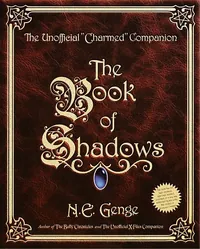
Tribal Bast Book of Shadows
 79
79

Tribal Bast Book of Shadows
Mike Sexton's "Tribal Bast Book of Shadows" offers a raw, unfiltered glimpse into a personal magical system. Its strength lies in its unpretentious presentation of ritual and belief, eschewing the often-florid language found in other grimoires. The directness with which Sexton lays out his practices, particularly in sections detailing the invocation of "Bast" energies, is commendable for its clarity. However, the work suffers from a lack of extensive historical grounding; while it hints at influences, concrete links to established esoteric lineages or historical figures are sparse, leaving the reader to infer much of its context. A passage on the "Lunar Attunement" ritual, for example, is potent in its instruction but could benefit from more comparative context. Ultimately, this book serves as a compelling, albeit narrowly focused, testament to the enduring practice of solitary magical development.
📝 Description
79
Mike Sexton's Tribal Bast Book of Shadows details a specific, localized magical tradition.
This book functions as a grimoire, collecting esoteric teachings and practices from a particular spiritual path. It lays out rituals, spells, and philosophical ideas for the practitioner. The work is structured to help those who want to understand and use the magic system it describes, giving a unique view of occult lore.
It is aimed at serious students of Western esotericism, especially those interested in less common or local magical systems. Readers looking for practical magical instruction outside of mainstream occult books will find it valuable, as will those who prefer a direct approach to ritual and belief. Adepts studying the history of specific magical traditions or wanting to add to their own practice may also find this book useful.
The Tribal Bast tradition, as presented by Mike Sexton, likely formed in the late 20th or early 21st century. This period saw a renewed interest in varied magical practices and a move away from purely academic occultism. Many small, independent magical groups and solitary practitioners created their own systems then, often mixing older traditions. Unlike the more organized groups of earlier occult revivals, this work suggests a more personal and decentralized approach to magic, possibly drawing from folk magic or regional spiritualities.
💡 Why Read This Book?
• Gain practical, step-by-step instructions for the "Bast Invocation" ritual, offering a unique method for invoking specific protective or generative energies not found in broader Western Esoteric texts. • Understand the symbolic significance of the "Lunar Cycle Chart" as presented by Sexton, providing a concrete tool for timing magical operations and personal spiritual development. • Explore the concept of "Shadow Work" within the specific framework of the "Tribal Bast" tradition, offering a distinct approach to self-examination and the integration of hidden psychological aspects.
⭐ Reader Reviews
Honest opinions from readers who have explored this book.
❓ Frequently Asked Questions
What is the core philosophy behind the "Tribal Bast Book of Shadows"?
The core philosophy emphasizes a direct, personal connection to spiritual forces, often symbolized by "Bast," and the practical application of ritual. It focuses on developing the practitioner's inner authority and understanding the interplay of light and shadow in magical work.
Does the book require prior knowledge of occultism?
While prior knowledge of general occult concepts can be helpful, the book is structured to guide practitioners. However, its unique terminology and specific ritualistic framework may present a learning curve for absolute beginners.
What is the significance of "Bast" in this context?
"Bast" in the "Tribal Bast Book of Shadows" likely refers to a specific deity or archetypal energy, possibly drawing from ancient Egyptian symbolism of protection, fertility, or domesticity, reinterpreted within Sexton's unique magical system.
Are the rituals described practical for modern practitioners?
Yes, the rituals are designed for practical application, focusing on intent, visualization, and symbolic actions that can be adapted to contemporary settings. The emphasis is on personal engagement rather than elaborate ceremonial requirements.
How does this book differ from standard grimoires?
It differs by presenting a highly personalized and possibly localized magical tradition, often lacking the extensive historical lineage or broad theoretical underpinnings of classical grimoires like the Key of Solomon.
What kind of "shadows" does the book explore?
The "shadows" likely refer to the unexplored, hidden, or subconscious aspects of the self and the universe. The book guides practitioners in confronting and integrating these elements as part of spiritual growth and magical efficacy.
🔮 Key Themes & Symbolism
Personalized Magical Systems
The work champions the creation and practice of unique magical systems, moving beyond established traditions. It highlights how "Tribal Bast" represents a specific lineage or personal interpretation, emphasizing the practitioner's role in defining their own spiritual path and magical mechanics. This theme appeals to the late 20th-century trend of eclectic witchcraft and solitary practice, where individuals synthesized diverse influences into personalized magical frameworks.
The "Bast" Archetype
The recurring motif of "Bast" serves as a central symbolic anchor. While potentially referencing the ancient Egyptian goddess, its use here suggests a broader archetypal representation of fierce protection, domestic power, or primal feminine energy. The book explores how to invoke and work with this specific energy, detailing its characteristics and applications within the context of ritual and personal empowerment.
Ritualistic Practice and Intent
Central to the book is a focus on the mechanics and efficacy of ritual. It details specific ceremonies, spells, and meditative practices designed to channel focused intent. The emphasis is less on theoretical exposition and more on the practical execution of magical acts, aiming for tangible results or spiritual shifts within the practitioner's life.
Integration of Light and Shadow
The "Shadows" aspect of the title points to a key theme: the exploration and integration of the hidden, subconscious, or often-feared elements of existence. This involves confronting personal "shadows" as part of a holistic approach to spiritual development and magical competence, suggesting that true power comes from acknowledging and working with all aspects of the self and reality.
💬 Memorable Quotes
Direct passages from the work, attributed to the author.
“The power resides not in the symbol, but in the will that animates it.”
— This statement underscores the book's pragmatic approach to magic, prioritizing the practitioner's focused intent and personal energy over the mere adherence to external forms or traditions.
“Bast guards the hearth and the hidden path.”
— This captures the dual nature attributed to the "Bast" archetype within the text – providing protection for the mundane sphere while also guiding the adept through esoteric or secret spiritual journeys.
“Shadows are merely light not yet understood.”
— This interpretation suggests that the darker or more challenging aspects of existence are not inherently negative but represent areas of potential insight and growth waiting to be comprehended and integrated.
“The grimoire is a key, not a cage.”
— This highlights the book's function as a tool for unlocking spiritual potential and understanding, encouraging exploration rather than rigid adherence to dogma.
“Attune the self to the lunar tides of power.”
— This points to the practical application of natural cycles, specifically lunar phases, as a method for enhancing magical workings and aligning personal energy with cosmic rhythms.
🌙 Esoteric Significance
Tradition
This work appears to position itself within a modern, eclectic stream of Western esotericism, possibly influenced by solitary witchcraft traditions or personalized forms of ceremonial magic that gained traction in the late 20th century. It departs from strict adherence to established lineages like Hermeticism or Kabbalah, instead focusing on a unique "Tribal Bast" system, suggesting an innovative or reinterpreted spiritual framework rather than a revival of ancient practices.
Symbolism
The "Bast" symbol is central, likely drawing on ancient Egyptian iconography but recontextualized. It represents a potent protective force, guardian of the home and the hidden spiritual path. The "Shadows" motif signifies the exploration of the subconscious, the unknown, and the integration of darker aspects of the self, a common theme in modern psychological and spiritual exploration.
Modern Relevance
Contemporary practitioners interested in personalized magical systems, eclectic witchcraft, and the integration of archetypal energies find relevance here. Thinkers exploring the intersection of psychology and magic, or those seeking practical, less dogmatic approaches to ritual, may draw inspiration from Sexton's direct methodology and focus on personal will.
👥 Who Should Read This Book
• Solitary practitioners seeking to develop or deepen their personal magical system and rituals. • Students of comparative esotericism interested in unique, modern magical traditions outside of mainstream Wicca or ceremonial magic. • Individuals drawn to archetypal magic, particularly those exploring feline symbolism or protective energies within their practice.
📜 Historical Context
The "Tribal Bast Book of Shadows" emerges from a fertile period in late 20th and early 21st-century esoteric thought, a time characterized by a diversification of magical practice beyond established occult orders. Following the influence of figures like Gerald Gardner and the Wiccan revival, practitioners increasingly sought personalized or localized magical systems. This work can be seen as part of a broader trend where individuals synthesized folklore, personal experience, and elements from various traditions (e.g., Egyptian symbolism, folk magic) to forge distinct paths. Unlike the structured lineages of the Hermetic Order of the Golden Dawn, which dominated earlier occult revivals, Sexton's work suggests a more independent, perhaps solitary, development of magical theory and practice. Its reception likely occurred within circles of solitary practitioners and small, informal groups rather than through widespread academic engagement or formal institutional endorsement.
📔 Journal Prompts
Reflect on the "Bast" archetype's meaning in your personal spiritual landscape.
Analyze the effectiveness of the "Lunar Cycle Chart" for your current practices.
Identify personal "shadows" and consider how they might be integrated.
Evaluate the concept of "willpower animating symbols" in your own magical work.
Consider the "hearth and the hidden path" dichotomy in your life.
🗂️ Glossary
Bast
A central symbol or deity within this system, likely representing protective, domestic, or primal feminine energies, possibly inspired by ancient Egyptian iconography.
Shadows
Refers to the unexplored, hidden, or subconscious aspects of the self and the universe, which the practitioner is encouraged to confront and integrate.
Grimoire
A book of magical spells, formulas, and instructions; in this context, a manual for the 'Tribal Bast' tradition.
Lunar Cycle Chart
A tool or diagram within the book used to synchronize magical operations with the phases of the moon.
Invocation
The act of calling upon a deity, spirit, or energy for assistance or presence, as detailed in the book's rituals.
Hearth
Symbolically represents the domestic sphere, safety, and foundational energies, contrasted with the 'hidden path'.
Hidden Path
Represents the esoteric or spiritual journey, the pursuit of hidden knowledge and magical development.