The witch's magical handbook
 75
75

The witch's magical handbook
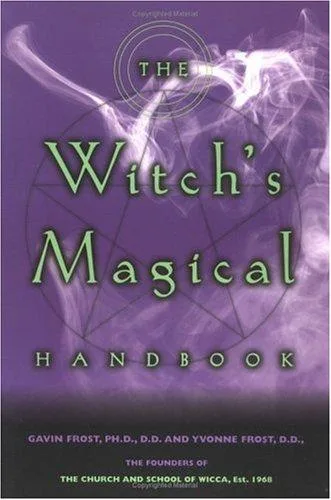
Gavin and Yvonne Frost's The Witch's Magical Handbook provides a clear, if somewhat traditional, entry into the practicalities of witchcraft. Its strength lies in its systematic approach, offering beginners a structured path to understanding core concepts like energy work and ritual construction. The sections on ethical considerations, particularly the emphasis on personal responsibility, are commendable and necessary. However, the work occasionally feels dated, relying on a paradigm that may not fully encompass the diverse expressions of witchcraft seen today. While the explanation of the sacred circle is thorough, it could benefit from acknowledging more contemporary interpretations beyond a strictly ceremonial context. Ultimately, the handbook serves as a solid, if conventional, primer for those embarking on their magical studies.
📝 Description
75
Published in 2000, The Witch's Magical Handbook by Gavin and Yvonne Frost offers a structured guide to witchcraft.
Gavin and Yvonne Frost's The Witch's Magical Handbook, released in 2000, aims to provide a clear introduction to witchcraft practices and beliefs. The book lays out a systematic way to understand magical principles, rituals, and the ethics involved. It seeks to present witchcraft in a practical and informed manner, steering clear of sensationalized views.
The handbook is written for newcomers to witchcraft or those who wish to strengthen their grasp of its central ideas. It acts as a straightforward entry point for students of modern paganism and esoteric paths. Individuals interested in using ritual for personal growth, studying symbolism, or developing their psychic awareness will find useful content here. The Frosts' work emerged during a time of expansion in Neopaganism, meeting a need for accessible texts after Wicca and other traditions gained more public notice. It contributed to the ongoing conversations within the witchcraft community, presenting a specific viewpoint on established customs and beliefs.
The Witch's Magical Handbook was published in 2000, a period of significant growth and diversification within Neopaganism. Following increased visibility of Wicca and other witchcraft traditions in the late 20th century, there was a growing demand for comprehensive yet accessible texts. The Frosts' work entered this expanding discourse, offering their perspective on established practices and beliefs within the broader pagan and esoteric movements.
💡 Why Read This Book?
• Gain a structured understanding of foundational magical principles, including the creation of a sacred circle, as detailed in the book's ritual sections. • Explore the symbolic significance of common witchcraft tools, learning how each item, like the athame, functions in practice as presented by the Frosts. • Grasp the ethical framework for magical practice, emphasizing personal responsibility and the consequences of one's actions, as outlined in the handbook's guidance.
⭐ Reader Reviews
Honest opinions from readers who have explored this book.
❓ Frequently Asked Questions
When was The Witch's Magical Handbook first published?
The Witch's Magical Handbook by Gavin and Yvonne Frost was first published in the year 2000, making it a relatively recent foundational text in contemporary witchcraft literature.
What kind of witchcraft tradition does this book focus on?
The book offers a broad introduction to witchcraft principles applicable across various traditions, though it emphasizes a structured, ethical approach to magic that resonates with modern pagan practices.
Are there specific rituals described in the handbook?
Yes, the handbook describes various rituals, including those for creating a sacred circle, invoking energies, and personal empowerment, providing step-by-step guidance for practitioners.
Does the book discuss magical tools?
Indeed, The Witch's Magical Handbook elaborates on the use and symbolic meaning of essential magical tools, such as the athame, chalice, wand, and pentacle, explaining their roles in ritual.
Is this book suitable for complete beginners?
Absolutely. The handbook is designed as an accessible guide for those new to witchcraft, explaining core concepts and practices in a clear, systematic manner.
What are the core ethical principles discussed?
The book stresses the importance of personal responsibility, ethical intent, and the potential consequences of magical actions, providing a framework for responsible practice.
🔮 Key Themes & Symbolism
Foundations of Magical Practice
This theme centers on the fundamental building blocks of witchcraft as presented by the Frosts. It includes the construction and purpose of the sacred circle as a contained space for ritual work, the management and direction of personal energy, and the critical role of focused intention in manifesting magical outcomes. The book details how these elements combine to create effective and meaningful magical operations, offering a practical framework for aspiring witches to begin their practice safely and with understanding.
The Ethics of Witchcraft
A significant focus is placed on the ethical dimensions of practicing witchcraft. The Frosts explore the concept of personal responsibility, highlighting that magical actions have consequences and that practitioners must be accountable for their choices. This includes discussions on avoiding harm, respecting free will, and understanding the energetic repercussions of spells and rituals. The handbook aims to instill a sense of integrity and mindfulness in the application of magical arts.
Symbolism and Tools
The book studies the symbolic language of witchcraft, explaining the meaning and use of various ritual tools. Items like the athame, chalice, wand, and pentacle are not merely presented as objects but as focal points for energy and intention. Their symbolic associations within the craft are explored, providing context for their integration into ritual and personal practice. Understanding these symbols is presented as key to deepening magical work.
Personal Empowerment and Growth
Central to The Witch's Magical Handbook is the idea that witchcraft is a path to personal empowerment and spiritual growth. Through the practice of magic, individuals are encouraged to connect with their inner strength, develop their intuition, and take an active role in shaping their lives. The handbook offers techniques for self-discovery, visualization, and meditation as means to foster this personal evolution.
💬 Memorable Quotes
Direct passages from the work, attributed to the author.
“The circle is cast to contain the energies raised and to protect the worker.”
— This highlights the dual function of the sacred circle in ritual: not only does it serve as a bounded space for focusing magical energy, but it also acts as a protective barrier, creating a safe environment for the practitioner.
“Intention is the directed will of the magician.”
— This concise definition underscores the importance of focused desire and conscious will in magical workings. The book posits that clear, unwavering intention is a primary driver for the success of any spell or ritual.
“Magical energy is drawn from both within and without.”
— This statement points to the accessible nature of magical power, suggesting it can be harnessed from the practitioner's own inner resources as well as from external environmental sources.
“Every action has a reaction; magical actions are no different.”
— This emphasizes the ethical consideration of cause and effect in magic, serving as a reminder that practitioners must be mindful of the potential consequences of their magical endeavors.
“Tools are extensions of the will and focus of the practitioner.”
— This interpretation of magical implements suggests they are not inherently powerful but gain significance through their symbolic use and the focused intent of the person wielding them.
🌙 Esoteric Significance
Tradition
This work aligns broadly with contemporary Western Esotericism, particularly within the Neopagan and Wiccan streams that gained prominence in the latter half of the 20th century. It draws upon established magical principles common in ceremonial magic but adapts them for a more accessible, often solitary, practice. While not strictly adhering to a single historical lineage like Hermeticism or Gnosticism, it synthesizes elements of ritual structure, energy work, and symbolic understanding that are characteristic of modern witchcraft traditions.
Symbolism
Key symbols within the handbook include the sacred circle, representing a microcosm of the universe and a consecrated space for ritual work; the athame, often depicted as a tool for directing energy and commanding spirits rather than for physical cutting; and the chalice, symbolizing the element of water, the Divine Feminine, and receptivity. These symbols are presented as focal points for intention and as conduits for accessing and manipulating magical energies.
Modern Relevance
The Witch's Magical Handbook continues to be relevant for modern practitioners seeking a structured introduction to witchcraft. Its clear explanations of foundational concepts like energy work, ritual construction, and ethical considerations are foundational for many contemporary witches, particularly those engaged in eclectic or self-directed paths. The emphasis on personal responsibility and practical application makes it a touchstone for individuals exploring witchcraft in the current range of spiritual seeking.
👥 Who Should Read This Book
• Aspiring witches and modern pagans seeking a comprehensive, step-by-step introduction to core witchcraft practices and beliefs. • Individuals interested in understanding the ethical framework and practical application of magic within a structured, responsible system. • Students of comparative religion and esotericism looking to grasp the foundational tenets of contemporary witchcraft traditions.
📜 Historical Context
The Witch's Magical Handbook emerged in 2000, a period marked by the widespread popularization of Neopaganism and witchcraft following foundational works like Gerald Gardner's writings and the influence of figures such as Raymond Buckland. The late 20th century saw a significant increase in books available to the public on these topics, moving them from the fringes towards a more visible, albeit often misunderstood, cultural presence. This era also coincided with the nascent stages of the internet, where early online communities began to form, but printed materials remained the primary disseminators of structured knowledge. The Frosts' work contributed to this growing body of accessible literature, offering a comprehensive, practical guide that appealed to a burgeoning readership seeking informed entry into witchcraft. It appeared in a landscape where established traditions were being reinterpreted and new expressions were flourishing, providing a solid, traditionalist perspective within this dynamic evolution.
📔 Journal Prompts
Reflect on the purpose and construction of the sacred circle as described in the handbook.
Consider the role of personal intention in directing magical energy.
Analyze the symbolic meaning of the athame and chalice in your own practice.
How does the concept of ethical magical action apply to modern life?
Explore the process of drawing and directing magical energy from within.
🗂️ Glossary
Sacred Circle
A consecrated space created through ritual, typically circular in shape, used to contain and focus magical energies during spellwork or ceremonies. It serves as a boundary between the mundane and the sacred.
Athame
A ritual knife, typically double-edged, used for directing energy, calling spirits, and marking out the sacred circle. It is generally not used for physical cutting.
Chalice
A ritual cup or goblet, often associated with the element of water and the Divine Feminine. It is used for libations, invoking deities, and holding consecrated liquids.
Intention
The focused will and clear purpose of the practitioner, considered the driving force behind magical workings. Clear intention directs energy towards a desired outcome.
Energy Work
The practice of sensing, gathering, manipulating, and directing subtle energies, both internal and external, for magical purposes or personal development.
Libation
A ritual offering of liquid, such as wine or water, poured onto the earth or into a chalice as an act of respect or offering to deities, spirits, or the elements.
Invocation
The act of calling upon a deity, spirit, or force to be present or to grant assistance during a ritual or magical working.
🔮 Readers Also Liked
Browse all →



More by Gavin Frost, Yvonne Frost
All books →



More Free Witchcraft & Paganism Books
View all →