Anton Pavlovich Chekhov
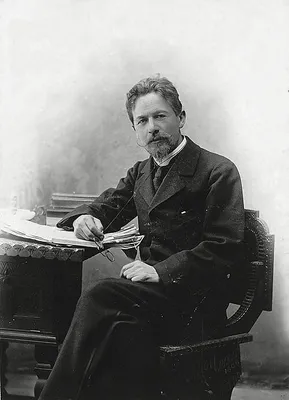
Anton Chekhov was a Russian physician and acclaimed playwright/short story writer known for his realistic portrayal of life and influence on modern theatre.
Anton Pavlovich Chekhov, born in 1860 in Taganrog, Russia, became a renowned playwright and short story writer, widely regarded as one of history's greatest literary figures. Though trained and practicing as a physician, he famously described literature as his "mistress" while medicine was his "lawful wife." His career was marked by significant contributions to early modernism in theatre, alongside Ibsen and Strindberg. Chekhov's dramatic works, including "The Seagull," "Uncle Vanya," "Three Sisters," and "The Cherry Orchard," challenged conventional theatre with their focus on "theatre of mood" and "submerged life in the text," influencing acting and audience perception to this day.
Chekhov began writing stories primarily to support himself and his family, but his artistic ambitions grew, leading to formal innovations that shaped the modern short story. He believed writers should present problems accurately rather than solve them. His childhood in Taganrog, marked by his father's tyranny and financial struggles, deeply influenced his writing, providing material for portraits of hypocrisy and the impact of hardship. Despite a difficult upbringing and personal health challenges, including tuberculosis, Chekhov maintained a prolific writing career, balancing his medical practice with literary pursuits and eventually earning critical acclaim and prestigious awards.
Literary Style and Theatrical Innovation
Anton Chekhov's literary output, encompassing both short stories and plays, is celebrated for its profound realism and subtle exploration of human psychology. He is credited with pioneering a "theatre of mood" and depicting a "submerged life in the text," departing from conventional dramatic structures. This approach, evident in his major plays like "The Seagull," "Uncle Vanya," "Three Sisters," and "The Cherry Orchard," presented new challenges and opportunities for actors and audiences alike, emphasizing nuanced character development and atmosphere over overt plot devices. His short stories also underwent formal innovations, influencing the evolution of the modern short story form. Chekhov's philosophy on writing was that the author's role was not to provide answers but to accurately frame life's complexities.
Dual Career: Physician and Writer
Chekhov's professional life was defined by his dual commitment to medicine and literature. He qualified as a physician in 1884, viewing it as his primary vocation, and often treated the poor without charge. However, he famously contrasted these roles, stating, "Medicine is my lawful wife, and literature is my mistress." This balancing act was often necessitated by financial pressures; he began writing short, humorous sketches to support his family and pay for his medical education. Despite his medical background, his literary career flourished, earning him significant critical attention and accolades. His experiences as a doctor likely informed the keen observation of human nature present in his literary works.
Early Life and Influences
Born in 1860 in Taganrog, Russia, Anton Chekhov's childhood was shaped by his father's strict and sometimes abusive demeanor, as well as the family's financial instability. His father, a former serf, ran a grocery store and led the local choir, but his tyranny and dishonesty left a lasting impact, with Chekhov noting how "despotism and lying" marred their childhood. The family faced bankruptcy, forcing Chekhov to remain in Taganrog to complete his education while supporting his family in Moscow. During these formative years, he worked various jobs, including tutoring and selling sketches to newspapers, while also developing a passion for theatre and engaging in wide-ranging reading, which included philosophical works that may have subtly influenced his worldview.
Key Ideas
- Theatre of mood
- Submerged life in the text
- Writers should state problems correctly, not solve them
Notable Quotes
“Medicine is my lawful wife, and literature is my mistress.”
“I have written my stories the way reporters write up their notes about fires—mechanically, half-consciously, caring nothing about either the reader or myself.”
“Let me ask you to recall that it was despotism and lying that ruined your mother's youth. Despotism and lying so mutilated our childhood that it's sickening and frightening to think about it. Remember the horror and disgust we felt in those times when Father threw a tantrum at dinner over too much salt in the soup and called Mother a fool.”
Books by Anton Pavlovich Chekhov
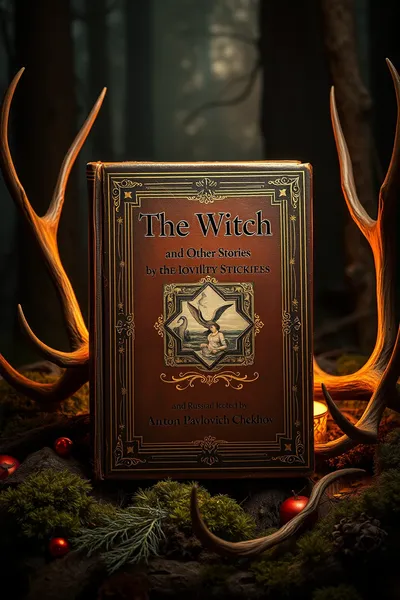
1 free public domain book · Read online or download