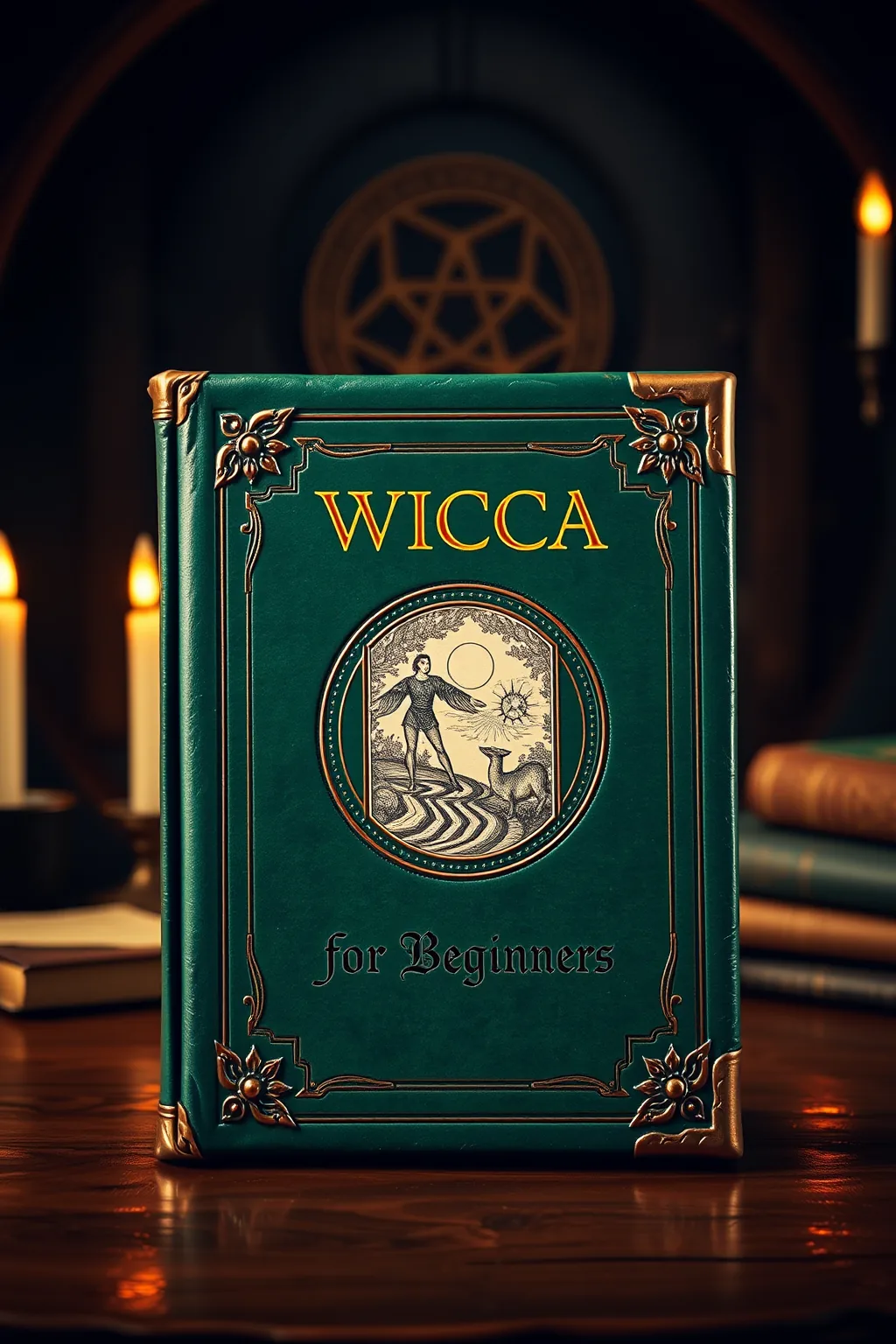
Wicca for Beginners
 62
62

Wicca for Beginners

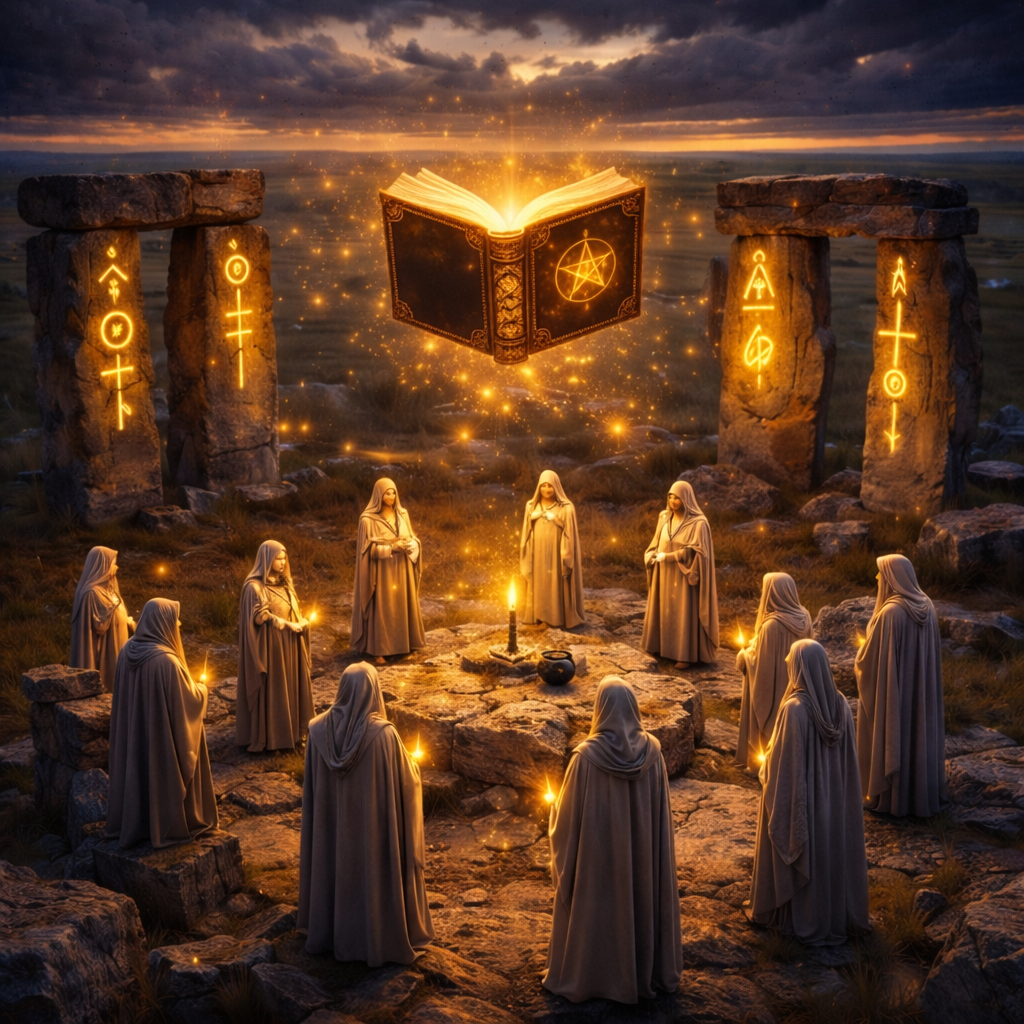

Amelia Glanville's 'Wicca for Beginners' stands as a beacon for neophytes venturing into the arcane arts. With an authoritative yet accessible voice, Glanville deciphers the core tenets of Wicca, illuminating its rich tapestry of symbolism and ritual. She expertly navigates the reader through foundational concepts, offering practical guidance without succumbing to overly simplistic explanations. The true strength of this text lies in its ability to convey the inherent spirituality and ethical framework of Wicca, fostering respect for nature and the interconnectedness of all. This is an indispensable primer for anyone seeking an authentic introduction to witchcraft, promising to lay a solid and insightful groundwork for future study and practice.
📝 Description
62
Amelia Glanville published 'Wicca for Beginners' to introduce core Wiccan practices.
Amelia Glanville's 'Wicca for Beginners' aims to clarify the basic principles and rituals of Wicca. The book explains the symbolic meanings and philosophical aspects of this nature-centered spiritual path. It covers topics such as how to perform rituals, the cycle of the Wheel of the Year, and understanding divine energies. Glanville wrote this guide for individuals seeking to learn about magic, the natural world, and personal growth.
The text intends to offer readers a path toward spiritual understanding and a connection with the wider universe. It emphasizes a tradition that values life, the environment, and personal empowerment. Readers will find information on initiating their journey into Wiccan practices and beliefs.
This book fits within the contemporary Pagan and Neopagan movements that emerged in the mid-20th century. These traditions often draw from older folk magic, Celtic mythology, and ceremonial magic. 'Wicca for Beginners' specifically addresses the need for accessible introductions to Wiccan beliefs and practices for those new to the subject, distinguishing itself from more academically focused or historically dense texts on witchcraft and esoteric traditions.
💡 Why Read This Book?
Discover the foundational wisdom of earth-centered spirituality. 'Wicca for Beginners' offers a clear, respectful, and empowering entry into the Craft, ideal for those seeking to connect with nature's cycles, explore ancient rituals, and cultivate personal magic. This book is essential for sincere beginners and curious souls ready to embark on a path of self-discovery and spiritual growth.
⭐ Reader Reviews
Honest opinions from readers who have explored this book.
❓ Frequently Asked Questions
What is Wicca?
Wicca is a modern Pagan religion that honors nature and the divine in all things. It often involves the practice of magic, ritual, and the celebration of seasonal cycles, emphasizing personal responsibility and ethical conduct.
Do I need special equipment to practice Wicca?
While many tools enhance ritual, Wicca fundamentally emphasizes intention and connection. Initially, focus on developing your inner awareness and connection to nature; specific tools can be acquired as your practice deepens.
Is Wicca a form of Satanism?
No, Wicca is a distinct Pagan religion that does not worship Satan. Its theology often centers on a God and Goddess, representing the divine masculine and feminine principles, and a deep reverence for the Earth.
How do I start practicing Wicca?
Begin by reading and learning. 'Wicca for Beginners' provides a solid foundation. Cultivate a connection with nature, observe the seasons, and explore meditation and simple rituals to understand the core principles.
What are the ethics of Wicca?
A central ethical principle is the Wiccan Rede: 'An it harm none, do what ye will.' This emphasizes personal freedom while stressing the importance of avoiding harm to oneself and others.
🔮 Key Themes & Symbolism
The Sacredness of Nature
This theme explores the profound connection between Wicca and the natural world, viewing Earth not merely as a resource but as a living, sacred entity. It looks at the cyclical rhythms of the seasons, the moon phases, and the elemental forces, illustrating how these are integrated into Wiccan practice and belief. Readers will understand how to draw power and wisdom from the environment, fostering a sense of stewardship and harmonious co-existence with all life. This section illuminates the animistic worldview inherent in Wicca, where spirits reside in all things.
Ritual and Spellcraft Fundamentals
This theme explains the art of ritual and spellcraft, presenting them as structured yet deeply personal expressions of will and intention. Glanville guides the reader through the construction of sacred space, the invocation of deities, and the crafting of spells for positive manifestation. Emphasis is placed on the ethical considerations and the importance of focused intent, visualization, and energy manipulation. The aim is to empower the beginner with the knowledge to safely and effectively engage in magical practice, fostering self-reliance and spiritual discipline through these sacred arts.
The Divine Feminine and Masculine
This exploration looks at the core Wiccan theology of the God and Goddess, representing the harmonious balance of divine masculine and feminine energies. It examines how these archetypes are honored and invoked in ritual and daily life, promoting a balanced perspective on spirituality and personal growth. The theme highlights the nurturing and creative aspects of the Goddess and the active, assertive aspects of the God, showing how their union is essential for the continuation of life and the manifestation of the cosmos. Understanding this duality is key to spiritual wholeness.
💬 Memorable Quotes
Direct passages from the work, attributed to the author.
“The Earth is our temple, its cycles our sacred clock.”
— This highlights the deep reverence Wicca holds for nature, viewing the planet as a divine sanctuary and its natural rhythms as the guiding force for spiritual observance.
“To know the self is to know the universe.”
— This reflects the introspective nature of Wicca, suggesting that self-understanding and inner exploration are pathways to comprehending the greater cosmic order and one's place within it.
“The Craft teaches us to listen, to observe, and to respond with wisdom.”
— This emphasizes the gentle, observational, and responsive approach central to Wiccan practice, valuing intuition and careful consideration over impulsive action.
💡 Key Ideas
Editorial paraphrase of the work's core concepts — not direct quotes.
The greatest magic lies not in grand gestures, but in the mindful awareness of the present moment.
This quote emphasizes the core Wiccan principle that magic is accessible through conscious perception and attunement to the 'now,' rather than solely through elaborate rituals or external forces.
In every leaf, in every stone, a spark of the divine resides.
This quote speaks to the animistic and pantheistic aspects of Wicca, illustrating the belief that divinity is immanent in all aspects of the natural world, not separate from it.
🌙 Esoteric Significance
Tradition
This work is deeply rooted in the modern Wiccan tradition, specifically drawing from Gardnerian and Alexandrian influences while maintaining a distinct emphasis on accessibility for newcomers. It represents the popularization and democratization of Wiccan principles, making esoteric concepts understandable without diluting their inherent power or spiritual depth. The book serves as a bridge from occult theory to practical application, grounding mystical concepts in the tangible experience of nature and self.
Symbolism
The book meticulously unpacks the detailed symbolism central to Wicca, including the pentacle representing the elements and spirit, the athame as a tool of will, the chalice symbolizing the divine feminine, and the Wheel of the Year reflecting cosmic cycles. Glanville explains how these symbols are not merely decorative but are potent conduits for energy and understanding, serving as keys to unlocking deeper spiritual insights and facilitating communion with the divine.
Modern Relevance
In an age often characterized by disconnection from nature and a search for meaning, 'Wicca for Beginners' offers a timely and relevant path. It provides tools for personal empowerment, stress reduction through ritual, and fostering a profound connection to the Earth. Its ethical framework encourages responsible living and mindful action, making it a valuable resource for individuals seeking a holistic and spiritually fulfilling lifestyle in the contemporary world.
👥 Who Should Read This Book
This book is an indispensable guide for absolute beginners who feel a nascent calling towards nature-based spirituality and magic. It is also highly beneficial for individuals curious about witchcraft and Paganism but unsure where to start, offering a safe and ethical introduction. Scholars of comparative religion and mythology will find it a valuable primary source for understanding contemporary Wiccan practices. Furthermore, experienced practitioners looking to revisit foundational principles or seeking clear language to explain Wicca to others will also find merit within its pages.
📜 Historical Context
Published in an era of burgeoning interest in alternative spiritualities, Amelia Glanville's 'Wicca for Beginners' emerged during a period when ancient traditions were being rediscovered and reinterpreted for modern practitioners. The late 20th and early 21st centuries witnessed a resurgence of Paganism and Neo-Paganism, spurred by a desire for more nature-aligned, egalitarian, and personal spiritual paths, often in reaction to perceived rigidities of mainstream religions. Glanville's work tapped into this zeitgeist, offering a accessible gateway to a tradition that had long been shrouded in mystery and misconception. It contributed to the broader movement of making esoteric knowledge available to a wider audience, explaining witchcraft and presenting it as a valid, ethical, and empowering spiritual practice rooted in earth-based wisdom and ancient archetypes.
📔 Journal Prompts
Reflect on your earliest memories of feeling a connection to nature. What did that feel like, and how has it evolved?
Consider the concept of the 'divine within.' How can you cultivate and acknowledge this inner divinity in your daily life?
Journal about a natural cycle you observe (e.g., sunrise/sunset, moon phases, changing seasons). How does this cycle mirror aspects of your own life?
What does the principle of 'harm none' mean to you on a personal and global level? How can you embody this ethic more fully?
Describe a time you felt a sense of awe or wonder in the natural world. What elements contributed to this feeling, and how can you invite more of that into your life?
🗂️ Glossary
Wiccan Rede
The principal ethical code in Wicca, famously summarized as 'An it harm none, do what ye will,' emphasizing personal freedom balanced with the responsibility to avoid causing harm.
Pentacle
A five-pointed star, often enclosed in a circle, symbolizing the five elements (Earth, Air, Fire, Water, and Spirit) and used as a sacred symbol of protection and invocation.
Athame
A ritual knife, typically double-edged, used to direct energy, cast circles, and invoke spirits, but not for physical cutting. It symbolizes the will and masculine principle.
Wheel of the Year
The cycle of eight seasonal festivals celebrated in Wicca, marking the solstices, equinoxes, and cross-quarter days, representing the ebb and flow of life and nature's energy.
Coven
A group of Wiccans, traditionally numbering thirteen, who gather to practice together. It is a community for shared learning, ritual, and spiritual support.
This book appears in 2 collections
🔮 Readers Also Liked
Browse all →







More by Amelia Glanville
All books →
From the “Ritual Magic” Collection
View all →








More Free Magic & Ritual Books
View all →