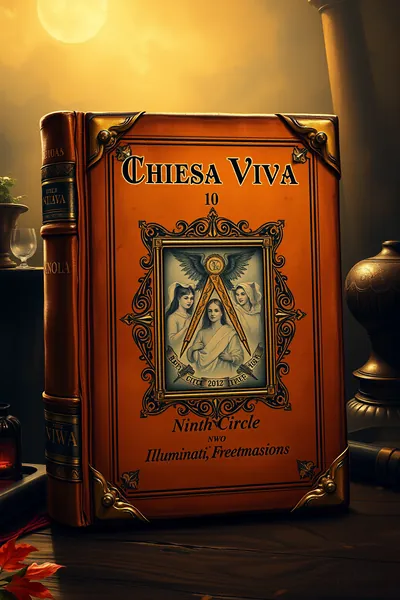
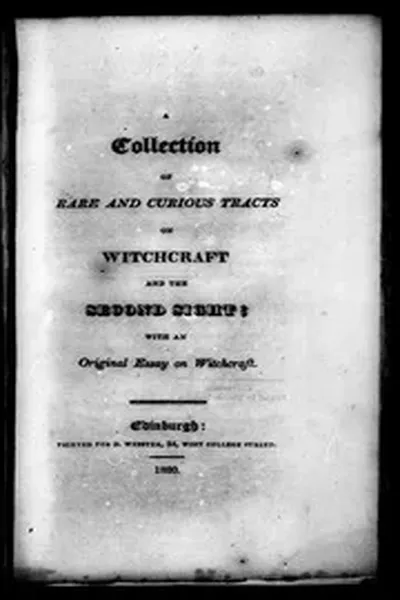
A short treatise declaringe the detestable wickednesse of magicall sciences, as necromancie, coniurations of spirites, curiouse astrologie and such lyke ... 1561: Iss 227

 81
81

A short treatise declaringe the detestable wickednesse of magicall sciences, as necromancie, coniurations of spirites, curiouse astrologie and such lyke ... 1561: Iss 227



Review by Silas Hawthorne (Hermetic Studies Editor) — Francis Coxe's treatise is a seminal work in the study of occult sciences, offering deep insights into the dangers and allure of magic. The text is a must-read for anyone interested in the philosophical underpinnings of necromancy and astrology. Coxe's warnings against the 'detestable wickednesse' of these practices are both chilling and enlightening, providing a historical perspective on the ethical dilemmas faced by practitioners. The treatise is particularly valuable for scholars and practitioners of the esoteric arts, who will find rich material for reflection and study.
📝 Description
81
Published in 1561, Francis Coxe's treatise condemned magic as detestable wickedness.
Francis Coxe's 1561 work, 'A short treatise declaringe the detestable wickednesse of magicall sciences,' argues against practices such as necromancy, spirit conjuration, and curious astrology. The book presents these arts as dangerous, warning against the pursuit of forbidden knowledge. Coxe frames the occult not as a path to enlightenment, but as a potential gateway to darkness and moral peril.
This treatise invites reflection on the philosophical and ethical dimensions of magic. It questions the true cost of seeking hidden power and understanding, urging a cautious approach to the mystical. Coxe's text is rich in symbolism, examining the inherent risks associated with dabbling in what he considers illicit arts.
This treatise stands within a broader tradition of Christian polemic against magic, prevalent in the 16th century. Such works often sought to delineate acceptable religious practice from perceived heresy and diabolical influence. Coxe's text reflects anxieties concerning the boundaries between divine power and human attempts to manipulate supernatural forces through forbidden means, aligning with contemporary theological debates about witchcraft and demonic pacts.
💡 Why Read This Book?
Why read this book — Francis Coxe's 'A short treatise declaringe the detestable wickednesse of magicall sciences' is essential for seekers of hidden knowledge, scholars of occult history, and practitioners of the mystical arts. This 16th-century work offers a unique perspective on the dangers and allure of magic, providing valuable insights into the ethical and philosophical dimensions of the occult. Readers will gain a deeper understanding of the symbolic and spiritual significance of necromancy, spirit conjuration, and astrology, making it a vital resource for anyone exploring the esoteric.
⭐ Reader Reviews
Honest opinions from readers who have explored this book.
❓ Frequently Asked Questions
What is the main theme of this book?
The main theme is the moral and ethical dangers of delving into occult sciences like necromancy, spirit conjuration, and astrology.
Who is the intended audience?
The intended audience includes scholars of occult history, practitioners of the mystical arts, and seekers of hidden knowledge.
Is this book suitable for beginners?
While it provides valuable insights, it may be best suited for those with some prior knowledge of esoteric studies.
What makes this treatise significant?
It offers a historical perspective on the ethical dilemmas faced by practitioners of the occult, making it a crucial resource for understanding the philosophical underpinnings of magic.
Are there modern applications of the themes discussed?
Yes, the ethical and philosophical questions raised in the treatise remain relevant to modern practitioners and scholars of the esoteric arts.
🔮 Key Themes & Symbolism
The Dual Nature of Magic
The treatise studies the dual nature of magic as both a tool of enlightenment and a gateway to darkness. It explores the ethical and philosophical dimensions of necromancy, spirit conjuration, and astrology, urging readers to work through the mystical world with prudence and wisdom. The text is rich in symbolism, inviting seekers of hidden knowledge to ponder the true cost of their quest for power and understanding.
Symbolism in the Occult
Coxe's work is steeped in symbolism, reflecting the complex and often contradictory nature of occult practices. Symbols of power and enlightenment are juxtaposed with warnings of the dangers of delving too deeply into forbidden knowledge. The treatise encourages readers to explore the deeper meanings behind these symbols, fostering a deeper understanding of the esoteric arts.
Ethical Dilemmas in Magic
The text presents a stark warning against the moral and ethical dangers of practicing magic. It invites readers to consider the consequences of their actions and the true cost of seeking power and knowledge. The treatise is a cautionary tale, urging practitioners to approach the occult with a sense of responsibility and ethical awareness.
💡 Key Ideas
Editorial paraphrase of the work's core concepts — not direct quotes.
The allure of forbidden knowledge is a siren's call, leading many to their doom.
This quote underscores the dangers of looking at occult practices without a deep understanding of their ethical implications.
Magic is a double-edged sword, capable of both enlightenment and destruction.
This passage highlights the dual nature of magic, inviting readers to explore its complexities and contradictions.
The symbols of the occult are a language of power and mystery, guiding the initiate on a journey of discovery.
This quote emphasizes the importance of symbolism in the esoteric arts, encouraging readers to delve deeper into the hidden meanings behind these symbols.
The true cost of magic is often revealed too late, when the damage is already done.
This passage serves as a warning against the dangers of practicing magic without a sense of responsibility and ethical awareness.
The seeker of hidden knowledge must tread carefully, for the path is treacherous and fraught with peril.
This quote underscores the need for prudence and wisdom in exploring the mystical world, urging readers to approach the occult with caution.
🌙 Esoteric Significance
Tradition
This treatise belongs to the Hermetic tradition, which emphasizes the pursuit of hidden knowledge and the mastery of occult sciences. It reflects the broader esoteric tradition of seeking enlightenment through the study of magic and symbolism.
Symbolism
Key symbols in the text include the dual nature of magic, the allure of forbidden knowledge, and the ethical dilemmas faced by practitioners. These symbols invite readers to explore the deeper meanings behind occult practices and the true cost of seeking power and understanding.
Modern Relevance
The ethical and philosophical questions raised in the treatise remain relevant to modern practitioners and scholars of the esoteric arts. Today, the work is studied for its insights into the dangers and allure of magic, providing valuable material for reflection and study.
👥 Who Should Read This Book
This book is ideal for scholars of occult history, practitioners of the mystical arts, and seekers of hidden knowledge. Beginners may find it challenging but enriching, as it offers a deep dive into the philosophical and ethical dimensions of magic. Spiritual seekers will appreciate the text's exploration of symbolism and the dual nature of magic, while practitioners will gain valuable insights into the ethical dilemmas faced by those who look at the occult.
📜 Historical Context
Published in 1561, Francis Coxe's treatise reflects the religious and intellectual turmoil of the 16th century. The era was marked by the Reformation, the Counter-Reformation, and the emergence of new scientific and philosophical ideas. Coxe's work is a response to the growing interest in occult sciences, offering a stark warning against the dangers of looking at forbidden knowledge. The treatise is significant for its historical perspective on the ethical dilemmas faced by practitioners of the occult, making it a crucial resource for understanding the philosophical underpinnings of magic.
📔 Journal Prompts
Reflect on the dual nature of magic and its implications for your own spiritual journey.
Consider the ethical dilemmas faced by practitioners of the occult and how they might apply to modern times.
Explore the symbolism in the treatise and its relevance to your understanding of the esoteric arts.
Ponder the true cost of seeking power and knowledge in the mystical world.
Write about the historical context of the treatise and its significance in the 16th century.
🗂️ Glossary
Necromancy
The practice of communicating with the spirits of the dead, often for divination or magical purposes.
Spirit Conjuration
The ritual of summoning and controlling spirits for various magical or divinatory purposes.
Astrology
The study of the movements and relative positions of celestial bodies and their influence on human affairs and the natural world.
Occult Sciences
The branch of knowledge dealing with hidden or secret matters, often involving magic, alchemy, and other mystical practices.
Hermetic Tradition
A philosophical and spiritual tradition based on the writings attributed to Hermes Trismegistus, emphasizing the pursuit of hidden knowledge and spiritual enlightenment.
This book appears in 2 collections
🔮 Readers Also Liked
Browse all →






From the “Witchcraft” Collection
View all →




More Free Witchcraft & Paganism Books
View all →