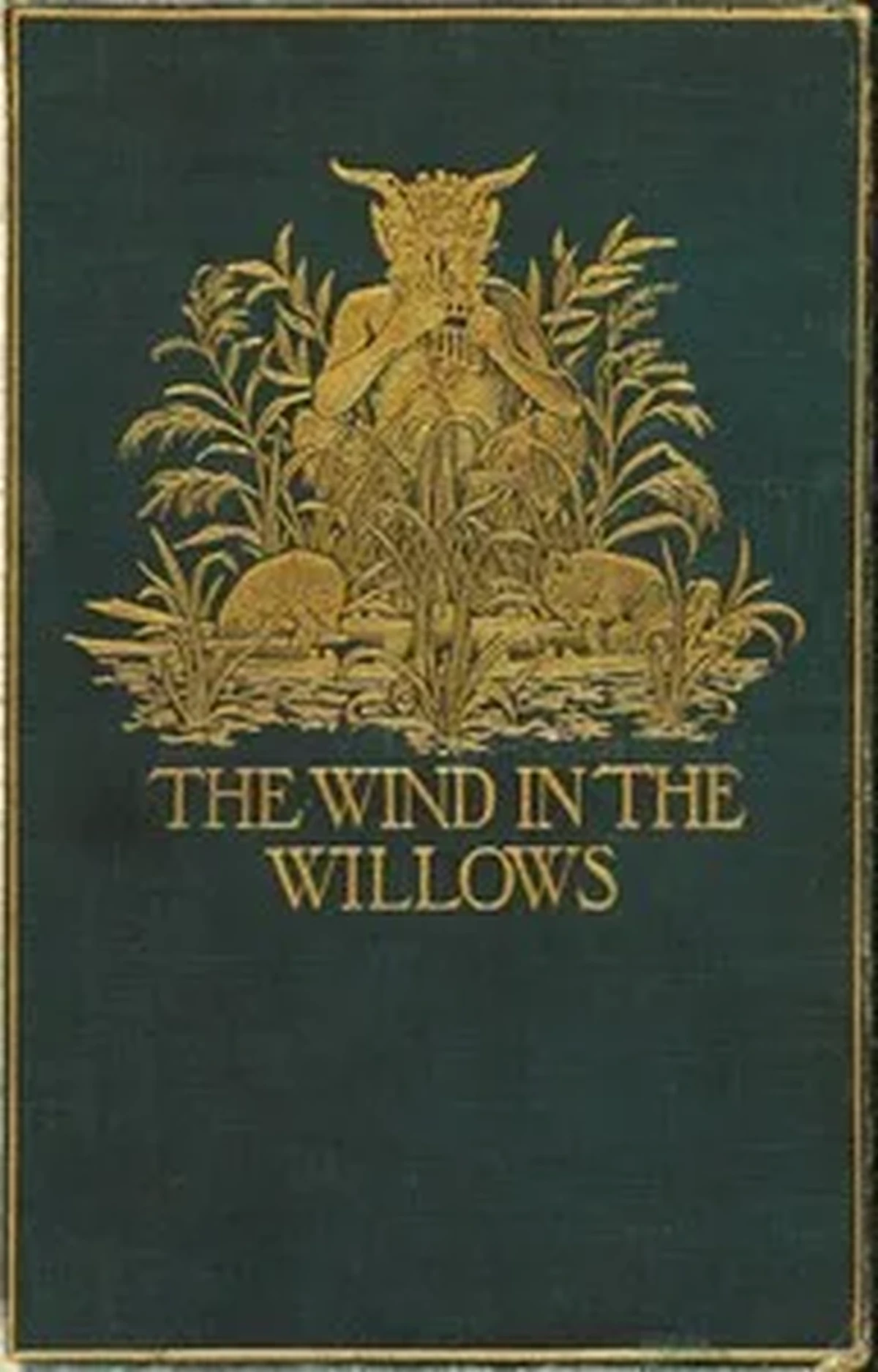
The Wind in the Willows
 75
75

The Wind in the Willows
Kenneth Grahame’s 1908 narrative, The Wind in the Willows, presents a peculiar case for the Esoteric Library. While ostensibly a children’s tale, its meticulously rendered pastoral world and its characters’ preoccupations with home, river, and social standing offer an unexpected depth. The strength lies in Grahame’s evocative prose, which transforms the mundane activities of its animal inhabitants – boating, picnicking, house-hunting – into moments of significant existential contemplation. The passage detailing Ratty’s profound contentment with river life, describing it as ‘all that a river-bank should be,’ encapsulates this. However, the narrative’s episodic nature and its gentle pacing might test the patience of readers accustomed to more direct conflict or overt philosophical exposition. Toad’s character, while providing comic relief and driving plot points through his reckless abandon, sometimes strains credulity even within the story’s established reality. Ultimately, The Wind in the Willows serves as an allegorical exploration of societal comfort and the wilder impulses, offering a subtle, albeit unconventional, lens on the human condition.
📝 Description
75
Kenneth Grahame published The Wind in the Willows in 1908, a story of four animal friends by the River Thames.
The Wind in the Willows follows the adventures of Mole, Ratty, Toad, and Badger. Mole leaves his underground home for the river, where he meets Ratty. Together, they encounter the gruff but kind Badger and the wealthy, impulsive Toad. Toad's obsession with motor cars leads to trouble, including a stint in prison, but his friends help him reclaim his home from weasels. The book depicts a gentle, idealized version of English rural life, emphasizing friendship and simple pleasures.
While often seen as a children's book, Grahame's lyrical writing and observations on society give it a broader appeal. It reflects a longing for a simpler, pre-industrial past, a sentiment common in the Edwardian era. The narrative captures the atmosphere of the Thames Valley and the changing seasons.
The story contrasts the quiet life of the riverbank with the chaos of the modern world, particularly Toad's fascination with new technology. It celebrates loyalty and the comfort of tradition.
While not overtly mystical, The Wind in the Willows taps into a current of Edwardian thought that romanticized nature and traditional English life as an antidote to rapid industrialization and social change. The anthropomorphic animals and their pastoral setting can be seen as a form of allegory, representing a desire for a more harmonious existence rooted in natural rhythms and community bonds. This reflects a broader cultural impulse in the period to find spiritual or psychological solace in idealized versions of the past and the countryside, a common theme in certain esoteric and nature-focused literary traditions.
💡 Why Read This Book?
• Gain insight into the symbolic opposition between the ordered River Bank and the chaotic Wild Wood, mirroring internal psychological landscapes, as depicted in the early 20th century. • Understand the nuanced critique of modernity and industrialization through Toad's obsession with motor cars, a recurring motif throughout the book's 1908 publication context. • Appreciate the enduring power of friendship and community, exemplified by Mole, Ratty, and Badger's efforts to manage Toad's disruptive behavior, offering a model for navigating social dynamics.
⭐ Reader Reviews
Honest opinions from readers who have explored this book.
❓ Frequently Asked Questions
What esoteric themes are present in The Wind in the Willows?
While not overtly occult, the book explores themes of nature as a spiritual sanctuary (River Bank), the allure of chaotic impulses (Wild Wood, Toad's escapades), and the restorative power of community and friendship, reflecting deeper allegorical currents.
When was The Wind in the Willows first published?
The Wind in the Willows was first published in 1908, placing it within the Edwardian era, a period of significant social and technological change in Britain.
Who are the main characters and what do they represent?
The main characters are Mole (representing innocence and discovery), Ratty (contentment and social order), Toad (recklessness and materialism), and Badger (wisdom and authority, living in the Wild Wood).
Is The Wind in the Willows considered a children's book?
Yes, it is widely categorized as children's literature, but its sophisticated prose, social commentary, and allegorical potential also appeal strongly to adult readers interested in deeper meanings.
What is the significance of the Wild Wood in the book?
The Wild Wood represents a more primal, untamed aspect of nature and society, contrasting with the civilized order of the River Bank. It is where Badger resides and where Toad often finds trouble.
How does The Wind in the Willows relate to its historical period?
Published in 1908, the book reflects a nostalgic view of the English countryside amidst increasing industrialization, offering an idealized escape and commentary on tradition versus modernity.
🔮 Key Themes & Symbolism
The River Bank as Sacred Space
The River Bank in The Wind in the Willows transcends its literal setting to become a symbol of peace, order, and natural harmony. For Mole, it is an awakening to a world of profound beauty and simple joys, a stark contrast to his underground existence. Ratty embodies this ideal, finding deep spiritual fulfillment in the rhythms of the river, its life, and its social customs. This idealized landscape functions as a refuge from the encroaching complexities and anxieties of the modern world, mirroring esoteric traditions that seek solace and truth in communion with nature.
The Allure and Danger of the Wild
The Wild Wood, contrasted with the River Bank, represents the untamed, the primal, and the potentially chaotic. It is the domain of Badger, a figure of authority and wisdom, yet it also harbors elements that are less predictable and more dangerous. Toad’s fascination with the 'Wild' manifests in his obsession with motor cars and reckless pursuits, embodying the disruptive force of unchecked desire and technological novelty. This theme touches upon the esoteric concept of confronting the shadow self or the primal forces within, acknowledging their existence while seeking to integrate or manage them.
Friendship as an Organizing Principle
The enduring relationships between Mole, Ratty, Toad, and Badger form the narrative's backbone. Their loyalty and mutual support are crucial, particularly in managing Toad's disastrous impulses. This communal bond acts as a powerful counterforce to individual folly and societal disruption. The efforts to rescue Toad from his own recklessness, culminating in his eventual return to respectability, highlight how collective care and understanding can restore balance. This appeals to esoteric ideas of Koinonia or the sacred community, where shared purpose and mutual aid are essential for spiritual growth.
Tradition vs. Modernity
Kenneth Grahame’s 1908 work implicitly grapples with the tension between established traditions and the rapid advent of modern technology and social change. Toad's infatuation with motor cars symbolizes this disruptive modernity, contrasting sharply with the established, slower pace of life along the River. The story seems to advocate for a measured approach, valuing the continuity of tradition and simple pleasures while acknowledging, albeit cautiously, the allure of the new. This reflects a broader cultural anxiety of the Edwardian era, echoed in many philosophical and spiritual movements seeking to reconcile progress with enduring values.
💬 Memorable Quotes
Direct passages from the work, attributed to the author.
“The river, the river! ... It is all that a river-bank should be.”
— This sentiment from Ratty captures a deep, almost spiritual, contentment found in the natural world and its established order. It signifies finding one's place and purpose within a harmonious environment.
“Believe me, I have travelled. I have seen what there is to see.”
— Spoken by Toad, this declaration, often preceding his ill-fated adventures, highlights a superficial understanding of experience. It contrasts with genuine wisdom gained through mindful observation and reflection.
💡 Key Ideas
Editorial paraphrase of the work's core concepts — not direct quotes.
There’s nothing—absolutely nothing—half so much worth doing as simply messing about in boats.
Attributed to Ratty, this quote celebrates the joy of purposeless activity and immersion in nature. It suggests that true fulfillment can be found in simple, unburdened engagement with one's surroundings.
The only way to get the best of a motor car is to leave it alone.
This line reflects a cautious, perhaps prescient, view of new technology. It advises restraint and recognizes the potential dangers and disruptions that unchecked innovation can bring.
The Water Rat, when he was quite sure he had reached the Wild Wood, grew a little nervous.
This passage marks a transition into a less familiar and potentially threatening environment. It illustrates the psychological impact of entering realms that challenge one's comfort and established worldview.
🌙 Esoteric Significance
Tradition
While not explicitly aligned with a single esoteric lineage, The Wind in the Willows draws upon archetypal themes found across various traditions, particularly Hermeticism and nature-based spiritualities. The concept of the River Bank as a place of divine order and natural law echoes Hermetic principles of correspondence and the inherent harmony of the cosmos. The Wild Wood, conversely, can be seen as representing the lower, more chaotic realms or the shadow aspects that must be understood or integrated. The work's emphasis on finding meaning in the mundane and the pastoral aligns with certain philosophies that locate the sacred within the everyday world.
Symbolism
The River itself is a potent symbol, representing the flow of life, time, and consciousness. Its banks are places of refuge and order, embodying a harmonious existence. The motor car, a recurring motif, symbolizes disruptive modernity, unchecked ambition, and the potential for destruction when human will overrides natural balance. Toad's obsession with it signifies the seductive but ultimately dangerous allure of technological progress divorced from wisdom. The Wild Wood represents the untamed psyche, the 'other,' and the primal forces that lie beyond the comfortably civilized.
Modern Relevance
Contemporary eco-philosophy and ecopsychology find resonance in The Wind in the Willows' depiction of nature as a source of solace and profound meaning. Its gentle critique of unchecked technological advancement and consumerism aligns with modern concerns about sustainability and mindful living. The book's exploration of community and the responsibilities that come with friendship continues to be relevant for discussions on social cohesion and mutual support. Thinkers and practitioners interested in the therapeutic value of nature and the search for meaning in simpler ways of life often revisit Grahame’s work.
👥 Who Should Read This Book
• Students of Edwardian literature and culture seeking to understand pastoral ideals and societal anxieties of the early 20th century. • Readers interested in allegorical storytelling who appreciate nuanced characterizations and symbolic landscapes, looking for deeper meaning beyond a children's narrative. • Individuals drawn to nature writing and philosophies that emphasize finding contentment in the natural world and the importance of community bonds.
📜 Historical Context
Kenneth Grahame’s The Wind in the Willows, published in 1908, emerged during the Edwardian era, a period characterized by both imperial confidence and underlying social anxieties about industrialization and class. The work reflects a nostalgic idealization of the English countryside, a common theme among authors like Beatrix Potter, who had already achieved success with animal stories. This pastoral sentiment served as a counter-narrative to the rapid urbanization and technological advancements of the time. Grahame, having retired from the Bank of England, imbued the story with a sense of retreat and reflection. The book’s gentle critique of modernity, particularly through Toad’s infatuation with motor cars, resonated with a society grappling with change. While not directly engaging with contemporary philosophical movements like Theosophy or Spiritualism, its focus on nature, friendship, and an ordered social structure offered a comforting vision contrasted against the perceived chaos of the modern world.
📔 Journal Prompts
The River Bank's profound order, contrasting with the Wild Wood's untamed nature.
Toad's repeated encounters with motor cars and their symbolic meaning.
Ratty's deep contentment with 'messing about in boats'.
Badger's role as a figure of wisdom and authority residing in the Wild Wood.
The collective effort to manage Toad's disruptive behavior.
🗂️ Glossary
River Bank
Symbolizes order, civilization, comfort, and the natural world in its benevolent aspect. It is the idealized home for Mole and Ratty.
Wild Wood
Represents the untamed, potentially dangerous, and less civilized aspects of nature and society. It is the domain of Badger and a place of apprehension for Mole.
Motor Car
A symbol of disruptive modernity, speed, and recklessness in the context of the early 20th century. Toad's obsession with it leads to his downfall.
Messing about in boats
An expression signifying the joy and fulfillment found in simple, unburdened activities, particularly those connected to nature and leisure.
Weasels, Stoats, and Ferrets
Often depicted as antagonists or figures of social disruption, representing a more chaotic and less respectable element within the narrative's social order.
Toad Hall
The ancestral home of Toad, representing tradition, social standing, and the established order that Toad often jeopardizes through his actions.
Caravanning
An episode representing a simpler, more nomadic form of travel and leisure, contrasting with the dangers and disruptions of motorized transport.
🔮 Readers Also Liked
Browse all →








More by Kenneth Grahame
All books →

More Free Occult Philosophy Books
View all →