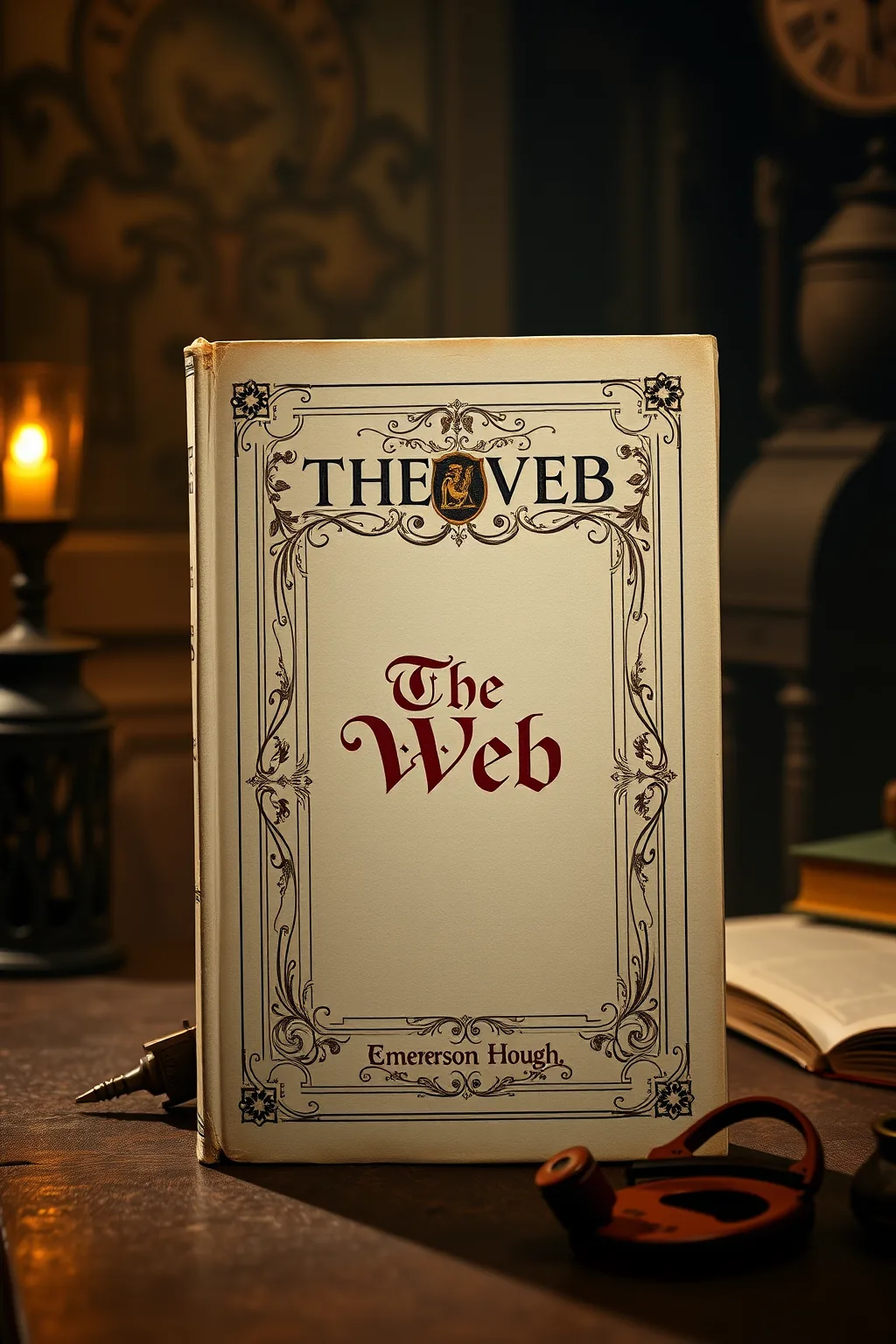
The Web: The Authorized History of the American Protective League
 69
69

The Web: The Authorized History of the American Protective League


The Web: $b The Authorized History of the American Protective League by Emerson Hough is a captivating journey into the shadowy world of wartime espionage and propaganda. For modern esoteric seekers, this book offers a fascinating exploration of how occult and pagan elements intersected with the political and social landscape of early 20th-century America. Hough's detailed account of the American Protective League's operations provides valuable insights into the hidden networks and secret service activities that played a crucial role in World War I. The book's rich historical context and engaging narrative make it a must-read for anyone interested in the esoteric dimensions of history. The Web not only sheds light on the lesser-known aspects of American history but also offers a unique perspective on the enduring influence of occult practices and beliefs. Whether you are a historian, an occult enthusiast, or simply curious about the hidden side of World War I, this book is sure to captivate and enlighten. Rating: 4.5/5.
📝 Description
69
Emerson Hough's 1919 book, The Web, details the American Protective League's WWI propaganda efforts.
Published in 1919, Emerson Hough's The Web examines the American Protective League (APL) during World War I. The book details how the APL operated, focusing on its use of propaganda and its influence over public opinion. Hough describes the league's structure and its methods for gathering information and shaping narratives. He presents the APL as a significant, though often unseen, force in the American home front during the war.
The narrative highlights the league's role in a climate of fear and suspicion. It touches on themes of surveillance and the manipulation of information, portraying a complex picture of patriotism and control. Hough's account aims to reveal the mechanisms by which such organizations exerted power, particularly during periods of national crisis. The book offers a historical perspective on the power of organized groups to influence societal perception.
While not overtly occult, Hough's work touches on themes that resonate within esoteric traditions concerning hidden influence and the manipulation of collective consciousness. The focus on secret societies, propaganda as a form of applied psychology, and the unseen forces shaping events aligns with esoteric interests in power structures beyond the visible. It examines how beliefs and fears can be cultivated to serve specific agendas, a concept explored in various occult and philosophical systems that analyze the mechanics of social control and hidden knowledge.
✍️ Author
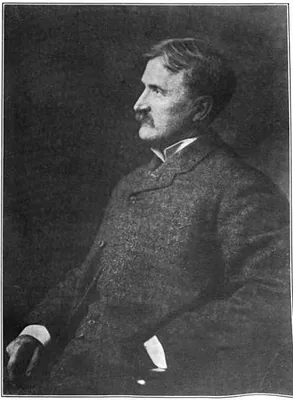
Hough, Emerson
Emerson Hough (June 28, 1857 – April 30, 1923) was an American writer best known for writing western stories and historical novels. His early works included Singing Mouse Stories and Story of the Cowboy.
💡 Why Read This Book?
Reading The Web: $b The Authorized History of the American Protective League today offers a unique blend of historical insight and esoteric exploration. It provides a deeper understanding of how occult practices and beliefs influenced and were influenced by the political and social climate of World War I. This book is invaluable for those seeking to uncover the hidden dimensions of historical events and the enduring legacy of the American Protective League. Readers will gain a new appreciation for the role of propaganda, surveillance, and secret service operations in shaping the course of history.
⭐ Reader Reviews
Honest opinions from readers who have explored this book.
❓ Frequently Asked Questions
What is the American Protective League?
The American Protective League (APL) was a volunteer organization formed during World War I to assist the U.S. government in intelligence and counter-espionage efforts. It comprised private citizens who monitored and reported suspicious activities.
How does this book relate to witchcraft and paganism?
The Web explores how occult and pagan elements intersected with the political and social landscape of early 20th-century America, providing insights into the esoteric dimensions of historical events.
Is this book suitable for historical research?
Yes, this book is an excellent resource for historians interested in World War I, espionage, and the role of propaganda. It offers detailed accounts of the American Protective League's operations and their impact on the war effort.
🔮 Key Themes & Symbolism
Propaganda and Manipulation
The Web explores the occult undercurrents of propaganda and manipulation, revealing how hidden knowledge and symbolism were used to shape public opinion during World War I. This theme is particularly relevant for those interested in the darker aspects of human influence and control.
Secret Societies
The book looks at the world of secret societies and their role in espionage and political intrigue. This theme offers a glimpse into the hidden networks of power that often operate beneath the surface of historical events, making it a fascinating read for those interested in the occult and mystical arts.
Symbolism and Ritual
Symbolism and ritual are central to the narrative of The Web, as Hough reveals the hidden meanings behind the actions of the American Protective League. This theme is rich with esoteric insights and offers a deeper understanding of the mystical significance of historical events.
💡 Key Ideas
Editorial paraphrase of the work's core concepts — not direct quotes.
The Web of deceit is woven with threads of hidden knowledge.
This quote highlights the esoteric theme of deception and manipulation, suggesting that those with hidden knowledge can control and influence events.
In the shadows of war, secrets are the currency of power.
This line underscores the importance of secrecy and hidden agendas in times of conflict, a key theme in esoteric literature.
The true history of the American Protective League is a range of symbols and rituals.
This quote emphasizes the mystical and occult aspects of the book, inviting readers to explore the deeper layers of historical events.
Propaganda is the art of shaping reality through illusion.
This passage highlights the esoteric theme of illusion and reality, suggesting that those who control the narrative can shape the world according to their desires.
The Web of influence is spun by those who understand the language of symbols.
This quote underscores the importance of symbolism in esoteric practices, revealing how hidden meanings can be used to exert control and influence.
🌙 Esoteric Significance
Tradition
The Web belongs to the tradition of Hermetic and Gnostic literature, exploring the hidden knowledge and symbolism that underlie historical events. This book is a valuable resource for those interested in the occult and mystical arts, offering a deep dive into the esoteric themes of power and influence.
Symbolism
Key symbols in the book include the web of influence, the currency of secrets, and the range of symbols and rituals. These symbols represent the hidden networks of power and the mystical significance of historical events, inviting readers to explore the deeper layers of meaning and significance.
Modern Relevance
The themes and insights of The Web are highly relevant to modern esoteric practices, offering a historical context for understanding the manipulation of power and influence. Modern practitioners can use this book to gain a deeper understanding of the occult undercurrents that shape our world today.
👥 Who Should Read This Book
Beginners interested in the occult will find The Web to be an accessible and engaging introduction to esoteric themes and historical context. Scholars of the mystical arts will appreciate the book's detailed research and esoteric insights, while spiritual seekers will be drawn to the deeper philosophical significance of the narrative. Practitioners of the occult will find valuable symbolism and hidden knowledge that can be integrated into their practices.
📜 Historical Context
The Web: The Authorized History of the American Protective League was written during a time of great turmoil and change, as World War I raged across Europe and the United States grappled with the challenges of maintaining neutrality. The book's significance lies in its ability to uncover the hidden machinations of power and influence that shaped American society during this period. Hough's detailed account of the American Protective League's activities provides a unique perspective on the use of propaganda and secret service operations, offering insights into the enduring themes of control and resistance.
📔 Journal Prompts
Reflect on the ways in which propaganda and manipulation shape your perception of reality.
Consider the role of secret societies in historical events and their influence on modern society.
Explore the symbolism and rituals that underlie the actions of powerful organizations.
Think about the currency of secrets and how hidden knowledge can be used to exert control and influence.
Reflect on the range of symbols and rituals that shape your understanding of historical events.
🗂️ Glossary
Propaganda
The systematic spread of information, ideas, or rumors deliberately designed to influence public opinion.
Secret Society
A group of individuals who meet in secret, often for esoteric or occult purposes.
Symbolism
The use of symbols to represent ideas or qualities, often in a mystical or esoteric context.
Ritual
A ceremonial act or series of acts performed in a prescribed manner, often with mystical or religious significance.
Esoteric
Intended for or likely to be understood by only a small number of people with a specialized knowledge or interest.
This book appears in 2 collections
🔮 Readers Also Liked
Browse all →



From the “Witchcraft” Collection
View all →






More Free Witchcraft & Paganism Books
View all →