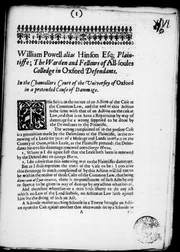
Essai sur les erreurs et les superstitions anciennes & modernes. ... 1766: Vol 1 Iss 205

 75
75

Essai sur les erreurs et les superstitions anciennes & modernes. ... 1766: Vol 1 Iss 205



Lorelei Sage, Contemplative Literature Editor — Jean Louis Castillon's 'Essai sur les erreurs et les superstitions' is a masterful exploration of humanity's enduring fascination with the arcane and the irrational. This 1766 volume masterfully dissects the historical roots of witchcraft, pagan rituals, and widespread superstitions, offering profound insights into the psychological and societal forces at play. Castillon's erudition illuminates the persistent echoes of ancient beliefs in modern thought, making this work essential for scholars of esotericism, religious history, and the philosophy of belief. Its strength lies in its balanced, critical yet empathetic approach, inviting readers to critically examine the narratives that have shaped human understanding of the world.
📝 Description
75
Jean Louis Castillon's 1766 'Essai sur les erreurs et les superstitions anciennes & modernes' dissects the roots of human credulity.
Published in 1766, Jean Louis Castillon's 'Essai sur les erreurs et les superstitions anciennes & modernes' examines the persistence of false beliefs and superstitions from antiquity to his own time. Castillon, born around 1720 and active in the 18th century, applies a critical lens to the origins and lasting influence of ideas often mistaken for truth. The book traces how fear, desire, and the unknown fuel the acceptance of these notions, from obscure rituals to public deceptions.
Castillon investigates how societies build their understanding of the world, frequently incorporating mystical or supernatural elements. This work offers a study of widespread gullibility and the continued fascination with the occult. It encourages readers to scrutinize conventional views and recognize the underlying currents of thought that have shaped intellectual and spiritual history. The volume presents historical details alongside a philosophical exploration of knowledge and its misrepresentation.
This work engages with the Enlightenment's critical examination of established beliefs, including those related to magic, alchemy, and popular superstition. While not strictly a grimoire or a treatise on occult practices, Castillon's 'Essai' approaches the subject from a rationalist perspective, dissecting the psychological and social mechanisms that sustain what he views as erroneous beliefs and superstitions. It stands as a historical document of intellectual inquiry into the darker corners of human belief systems, reflecting a period when many thinkers sought to demystify phenomena previously attributed to supernatural causes.
💡 Why Read This Book?
Uncover the deep-seated human propensity for belief in the mystical and supernatural. This volume offers a critical yet fascinating examination of ancient superstitions and their modern echoes, ideal for seekers of hidden knowledge, scholars of esotericism and history, and practitioners interested in the psychological underpinnings of occult traditions. Understand how belief systems are formed and perpetuated.
⭐ Reader Reviews
Honest opinions from readers who have explored this book.
❓ Frequently Asked Questions
What is the primary focus of Castillon's "Essai"?
The primary focus is a critical examination of ancient and modern errors and superstitions, exploring their origins, manifestations, and the psychological factors contributing to their persistence across human history.
Who was Jean Louis Castillon?
Jean Louis Castillon (1720-ca. 1793) was an author and intellectual of his time, known for his critical analyses of societal beliefs and practices, particularly those bordering on the superstitious or irrational.
What historical periods does the book cover?
The book spans a broad historical spectrum, discussing both ancient civilizations and the superstitions prevalent during and preceding the 18th century, when it was written.
Is this book suitable for beginners in esotericism?
Yes, it provides a foundational understanding of historical superstitions and beliefs, making it accessible for beginners interested in the broader context of esoteric thought and its roots.
What is the relationship between this volume and others in the series?
This volume is part of a larger series, with specific preceding and succeeding issues that continue the exploration of related themes, offering a sequential and comprehensive study.
🔮 Key Themes & Symbolism
The Architecture of Belief
Castillon meticulously deconstructs how beliefs, particularly those concerning the supernatural and occult, are constructed and perpetuated within societies. He explores the interplay of fear, desire, social conditioning, and the human need for explanation, revealing how seemingly irrational superstitions take root and flourish. This theme explores the psychological and sociological foundations of widespread credulity, offering a lens through which to understand the enduring appeal of the mystical across different cultures and eras. It challenges readers to critically assess the origins of their own deeply held beliefs and the societal narratives that shape them.
Traces of the Ancient World
This volume serves as a bridge between antiquity and modernity, tracing the lineage of superstitions and occult practices from the earliest civilizations to the author's contemporary era. Castillon examines how ancient pagan rituals, misunderstood mythologies, and early forms of witchcraft have cast long shadows, influencing later religious doctrines and folk beliefs. The work highlights the cyclical nature of human fascination with the unknown and the persistence of archetypal symbols and narratives that continue to resonate. It offers a clear insights into the continuity of esoteric currents throughout history, demonstrating that many modern phenomena have ancient antecedents.
The Unveiling of Illusion
Fundamentally, Castillon's 'Essai' is an act of unveiling, seeking to expose the 'errors' and 'superstitions' that cloud human judgment and obscure truth. The author employs a rational and analytical approach to dissect phenomena often attributed to supernatural forces, revealing the mundane or psychological explanations that lie beneath. This theme encourages critical thinking and intellectual rigor, urging readers to question dogma and to seek empirical understanding. It positions the pursuit of knowledge as a path to liberation from the constraints of unfounded belief, a central tenet for any serious student of esoteric philosophy.
💬 Memorable Quotes
Direct passages from the work, attributed to the author.
“Ignorance is the fertile soil from which superstition springs.”
— This highlights the idea that a lack of knowledge or understanding creates a vacuum that is readily filled by irrational beliefs and unfounded fears.
“The human heart, ever seeking solace, often finds it in the fantastical.”
— This speaks to the psychological drive for comfort and meaning, which can lead individuals to embrace extraordinary or supernatural explanations for life's mysteries.
“Where reason falters, imagination takes flight, often to perilous realms.”
— This emphasizes the potential for unchecked imagination, when divorced from logic and evidence, to lead individuals down paths of delusion or danger.
“The greatest enchantments are often woven by the mind itself.”
— This profound statement suggests that many perceived external magical influences are, in fact, internal psychological states or self-imposed illusions.
💡 Key Ideas
Editorial paraphrase of the work's core concepts — not direct quotes.
The shadow of the past perpetually dances in the light of the present.
This quote suggests that historical beliefs and superstitions, though seemingly obsolete, continue to influence contemporary thought and behavior in subtle but significant ways.
🌙 Esoteric Significance
Tradition
This work contributes to the broader esoteric tradition by providing a historical and critical lens through which to view the evolution of beliefs often categorized as occult or mystical. It engages with the historical underpinnings of practices associated with witchcraft and paganism, examining their roots and societal impact. By dissecting superstitions, Castillon indirectly illuminates the genuine esoteric currents that these practices may have stemmed from or been confused with, offering a valuable context for understanding the development and perception of esoteric knowledge across centuries.
Symbolism
While Castillon's approach is largely analytical, his examination of superstitions inherently touches upon the symbolic language of the past. He discusses rituals, omens, and folk beliefs that are rich in symbolism, even if his aim is to clarify them. The 'errors' he identifies often involve misinterpretations of natural phenomena or symbolic representations, highlighting how symbols can be imbued with power and meaning, leading to belief in supernatural causation. Understanding these symbolic misinterpretations is crucial for appreciating the deeper layers of ancient thought and the development of esoteric systems.
Modern Relevance
In an age still rife with misinformation, conspiracy theories, and the persistent allure of the supernatural, Castillon's 'Essai' remains remarkably relevant. His dissection of the mechanisms of belief, the allure of the irrational, and the societal impact of widespread superstitions offers timeless insights into human psychology. For contemporary seekers and scholars of esoteric traditions, the book provides a crucial historical perspective, helping to differentiate genuine occult inquiry from mere superstition and to understand the cultural baggage that often accompanies esoteric practices. It serves as a reminder to approach all claims, especially those outside the mainstream, with critical discernment.
👥 Who Should Read This Book
This volume is a vital resource for scholars of religious history, occult studies, and the Enlightenment period, providing a critical examination of historical beliefs. Seekers of hidden knowledge and practitioners of esoteric arts will find value in understanding the historical context and societal perceptions of witchcraft and paganism, allowing them to distinguish genuine esoteric principles from ingrained superstitions. For the intellectually curious, it offers a profound exploration of human psychology and the enduring power of belief. Beginners in esoteric studies will benefit from its foundational historical overview, while seasoned practitioners can gain deeper insights into the roots and evolution of occult traditions.
📜 Historical Context
Published in 1766, during the heart of the European Enlightenment, Jean Louis Castillon's 'Essai sur les erreurs et les superstitions anciennes & modernes' emerges from an era characterized by a fervent embrace of reason, science, and critical inquiry. This period saw a significant questioning of traditional religious dogma, monarchical authority, and inherited beliefs, including widespread superstitions that had long permeated society. Authors like Castillon sought to dissect these phenomena, often attributing them to human psychology, ignorance, or deliberate manipulation rather than genuine supernatural forces. The work reflects the Enlightenment's ambition to enlighten the populace and liberate them from the 'darkness' of irrationality. Its publication within a larger series suggests a sustained effort to disseminate such critical perspectives, contributing to the intellectual ferment that would ultimately reshape European thought and society, paving the way for further revolutions in science, politics, and philosophy.
📔 Journal Prompts
Reflect on a superstition you once held. What were its origins, and how did your understanding of it evolve?
How does Castillon's analysis of ancient superstitions resonate with modern-day phenomena like viral conspiracy theories or unsubstantiated wellness trends?
Consider a ritual or practice from a pagan or ancient tradition. How might it be perceived as 'superstition' by an outsider, and what are its potential deeper meanings?
Analyze the role of fear and desire in the creation and perpetuation of beliefs, both historical and contemporary.
What distinguishes genuine esoteric inquiry from mere superstition, according to Castillon's framework and your own understanding?
🗂️ Glossary
Superstition
A belief or practice resulting from ignorance, fear of the unknown, trust in magic or chance, or a false conception of causation.
Paganism
A broad term referring to polytheistic religions, particularly those practiced in ancient Greece and Rome, often characterized by nature worship and diverse deities.
Witchcraft
Historically, the practice of magic or sorcery, often associated with harmful intent and perceived pacts with malevolent forces, though modern interpretations vary widely.
Enlightenment
An 18th-century intellectual and cultural movement emphasizing reason, individualism, and skepticism towards traditional authority and dogma.
Esotericism
Teachings or practices concerned with mysterious or secret knowledge, often pertaining to spiritual, mystical, or occult subjects, intended for a select group of initiates.
This book appears in 2 collections
🔮 Readers Also Liked
Browse all →







More by CASTILLON, Jean Louis, 1720-ca. 1793.
All books →
From the “Witchcraft” Collection
View all →




More Free Witchcraft & Paganism Books
View all →