The Ultimate Guide to Tarot
 74
74

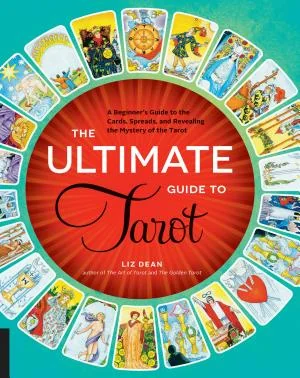
The Ultimate Guide to Tarot
Liz Dean's "The Ultimate Guide to Tarot" attempts to cover a vast landscape, and for the most part, succeeds in providing a foundational text. Its strength lies in its clear organization and accessible presentation of complex symbolic systems. Dean effectively links tarot imagery to astrological and numerological frameworks, offering readers concrete starting points for interpretation. One particularly useful section details the symbolism within the Minor Arcana, moving beyond simple meanings to explore deeper archetypal resonances. However, the book sometimes feels overly generalized in its historical context, leaning more on popular conceptions of tarot's past than rigorous academic inquiry. The sheer breadth of topics covered, while ambitious, can also lead to a lack of depth in certain areas, especially concerning the more intricate Kabbalistic associations. Despite this, it remains a solid, practical resource for those beginning their tarot journey or seeking to refine their existing skills.
📝 Description
74
Liz Dean's The Ultimate Guide to Tarot was first published in May 2015.
This guide approaches tarot for both new students and experienced readers. It examines the historical origins of the tarot deck, beginning with its roots in 15th-century Italy. The book also covers the symbolic meanings found within each card and how these images connect to broader esoteric systems. It then moves into practical instruction, detailing various card spreads and methods for interpreting readings. Dean emphasizes a holistic approach to understanding the cards and their use in divination and self-reflection. The text aims to make the practice of tarot accessible and understandable.
The book serves as a resource for anyone interested in learning or improving their tarot skills. It is suitable for individuals new to the cards, those looking to refine their reading abilities, or readers who connect tarot with other practices such as astrology, Kabbalah, or numerology. Dean structured the book for personal study and growth, offering a way to engage with tarot on one's own terms.
The book situates modern tarot practice within a lineage that stretches back to 15th-century Italian card games. It acknowledges the development of tarot into a divinatory tool, particularly noting the mystical interpretations that gained prominence in the late 19th and early 20th centuries. Dean connects the cards' imagery to systems like astrology and Kabbalah, framing tarot not as an isolated practice but as part of a wider current of esoteric thought and personal development.
💡 Why Read This Book?
• Gain a structured understanding of the 78-card tarot system, including the Major and Minor Arcana, presented with clarity. • Learn to connect tarot cards with astrological signs, planets, and numerological values, enriching your interpretive abilities beyond basic meanings. • Develop practical skills for card reading through explanations of spreads and techniques, fostering a more intuitive and insightful approach to divination.
⭐ Reader Reviews
Honest opinions from readers who have explored this book.
❓ Frequently Asked Questions
When was The Ultimate Guide to Tarot first published and who is the author?
The Ultimate Guide to Tarot was first published on May 15, 2015. The author is Liz Dean, an expert in tarot with extensive experience in the field.
What esoteric systems are linked to tarot in this guide?
The guide explores connections between tarot cards and several esoteric systems, including astrology, Kabbalah, and numerology, providing a multi-layered approach to interpretation.
Does the book teach different tarot spread layouts?
Yes, The Ultimate Guide to Tarot includes practical guidance on various tarot spreads, offering techniques for different types of readings and inquiries.
Is this book suitable for absolute beginners to tarot?
Absolutely. The book is designed to be accessible for newcomers, covering fundamental concepts, card meanings, and basic reading techniques without assuming prior knowledge.
What is the historical origin of the tarot cards discussed?
The book acknowledges the historical lineage of tarot, often tracing its origins to 15th-century Italy, and discusses its evolution from a game to a divinatory tool.
What does the book say about the symbols on tarot cards?
It provides an overview of the important symbolic elements within each card, explaining how these symbols relate to deeper meanings and esoteric correspondences.
🔮 Key Themes & Symbolism
Tarot as Esoteric Language
The work presents tarot not merely as a deck of cards but as a sophisticated symbolic language. It elucidates how each card, from the Fool to the World, contains layers of meaning derived from archetypes, mythology, and esoteric traditions. The book emphasizes that understanding these symbols, such as the sword representing intellect or the cup signifying emotion, is crucial for accurate divination and self-discovery. It positions tarot as a mirror reflecting the user's inner landscape and external circumstances.
Historical and Mystical Roots
Dean traces the lineage of tarot, acknowledging its origins in 15th-century Italian playing cards and its subsequent transformation into a tool for occult and spiritual exploration. The book touches upon how figures and movements, particularly from the late 19th century onwards, imbued the cards with deeper mystical significance, linking them to Kabbalah, astrology, and Hermeticism. This historical perspective grounds the practice, showing its evolution and enduring relevance across centuries.
Practical Application and Interpretation
Beyond theory, the guide focuses heavily on practical application. It details the meanings of all 78 cards, categorizes them into Major and Minor Arcana, and explains their numerological and astrological associations. Crucially, it provides instruction on various spreads and techniques for performing readings. The emphasis is on developing intuitive skills alongside knowledge of traditional meanings, empowering readers to use tarot for guidance and insight in daily life.
Interconnectedness of Esoteric Disciplines
A central theme is the interconnectedness of various esoteric systems. The book demonstrates how tarot symbolism aligns with astrological archetypes, Kabbalistic concepts like the Tree of Life, and the significance of numbers in numerology. By highlighting these links, Dean illustrates how tarot acts as a nexus, integrating different branches of mystical knowledge into a cohesive framework for understanding the cosmos and the human psyche.
💬 Memorable Quotes
Direct passages from the work, attributed to the author.
“Tarot expert Liz Dean offers an overview to all of the important elements of each card from symbols, to links with astrology, kabbala and numerology.”
— This highlights the book's comprehensive approach, promising to connect the visual language of tarot cards with established esoteric systems, providing a multi-faceted understanding.
“Discover the facts, myth, history, and mystery of the spiritual art of Tarot-reading.”
— This framing suggests the book aims for a balanced perspective, separating historical reality from popular legend while exploring the inherent mystique and spiritual dimension of tarot.
“Whether you want to learn to read the cards or deepen your Tarot interpretation skills, The Ultimate Guide to Tarot honors the deep heritage of Tarot, while guiding you through practical techniques.”
— This indicates the book serves both novices and experienced readers, promising a respectful engagement with tarot's history alongside actionable advice for improving reading abilities.
“The Ultimate Guide to Tarot also includes all the classic tarot sp”
— This truncated blurb suggests the book covers essential components and standard interpretations within the tarot tradition, implying a thorough grounding in established practices.
“Tarot expert Liz Dean offers an overview to all of the important elements of each card from symbols, to links with astrology, kabbala and numerology.”
— This emphasizes the book's role as a foundational resource, detailing not just card meanings but their connections to wider esoteric frameworks like astrology and Kabbalah.
🌙 Esoteric Significance
Tradition
This work aligns primarily with the Western Esoteric Tradition, particularly its late 19th and early 20th-century development where tarot was integrated into systems of Hermeticism, Kabbalah, and astrology. It draws from the tradition of tarot as a symbolic map of the psyche and the cosmos, as popularized by figures associated with the Hermetic Order of the Golden Dawn. Dean's approach synthesizes these established links into a practical guide, making complex esoteric correspondences accessible.
Symbolism
Key symbols explored include the Major Arcana archetypes (e.g., The Magician representing will and manifestation, The High Priestess embodying intuition and hidden knowledge) and the suits of the Minor Arcana (Wands for spirit/action, Cups for emotions/relationships, Swords for intellect/conflict, Pentacles for the material world/body). The book also touches on numerological values assigned to cards and their astrological correspondences, illustrating how these elements form a rich symbolic language.
Modern Relevance
Dean's guide is relevant to contemporary practitioners of modern witchcraft, neo-paganism, and general spiritual seekers who utilize tarot for self-reflection and guidance. It speaks to individuals exploring personal mythology and psychological archetypes, akin to the work of Jungian analysts who saw tarot as a symbolic system. Its clear explanations of esoteric links make it a valuable resource for those building personalized divination practices in the digital age.
👥 Who Should Read This Book
• Aspiring tarot readers seeking a foundational text that covers card meanings, historical context, and practical reading techniques. • Individuals interested in esoteric studies who wish to understand the connections between tarot, astrology, Kabbalah, and numerology. • Experienced practitioners looking for a well-organized reference guide that consolidates essential tarot knowledge and offers fresh perspectives on interpretation.
📜 Historical Context
Published in May 2015, Liz Dean's "The Ultimate Guide to Tarot" emerged during a period of renewed interest in esotericism and divination, particularly online. While tarot's roots stretch back to 15th-century Italy, its modern occult significance largely developed from the late 19th century onwards, influenced by figures like Eliphas Lévi and the Hermetic Order of the Golden Dawn. These groups synthesized tarot imagery with Kabbalah, astrology, and Hermetic philosophy. Dean's work builds upon this foundation, offering a contemporary synthesis accessible to a wide audience. It arrived in a marketplace already populated with numerous tarot guides, differentiating itself by aiming for a comprehensive, practical approach that integrates historical context with modern application, reflecting the broader spiritual-but-not-religious trends of the early 21st century.
📔 Journal Prompts
Reflect on the symbolism of the Major Arcana figures in relation to your personal life journey.
How do the four suits (Wands, Cups, Swords, Pentacles) manifest in your daily activities?
Consider a card's astrological or numerological association; how does this deepen its meaning for you?
Describe a situation where a specific tarot spread could offer clarity.
What personal myths or archetypes do you see reflected in the tarot deck?
🗂️ Glossary
Major Arcana
The 22 trump cards of the tarot deck, representing significant life lessons, archetypal energies, and spiritual milestones in a reading.
Minor Arcana
The 56 cards of the tarot deck, divided into four suits (Wands, Cups, Swords, Pentacles), which typically represent everyday events, situations, and challenges.
Kabbalah
A system of Jewish mysticism that explores the nature of God and the universe through the study of divine emanations, often represented by the Tree of Life.
Numerology
The study of the symbolic meaning of numbers and their influence on human life, often used in conjunction with tarot to interpret card meanings.
Astrology
The study of the movements and relative positions of celestial bodies interpreted as having an influence on human affairs and the natural world.
Spread
A specific arrangement of tarot cards laid out in a pattern to address a particular question or area of inquiry during a reading.
Archetype
A universal, archaic pattern of behavior or image originating in the collective unconscious, often represented by figures in the Major Arcana.
This book appears in 2 collections
🔮 Readers Also Liked
Browse all →
From the “Tarot” Collection
View all →
More Free Occult Philosophy Books
View all →