The Trouble of Joyful Joey
 79
79

The Trouble of Joyful Joey
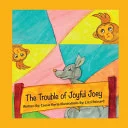
The Trouble of Joyful Joey presents an earnest attempt to distill complex ideas of acceptance and unique value into a child-friendly narrative. The Zany Zen Zoo setting is a charming conceit, and the authorial team's background in counseling and healing arts lends an authentic therapeutic undercurrent. The strength of the book lies in its straightforward presentation of characters who embody distinct qualities, making abstract concepts like self-worth tangible for young readers. However, the execution, while well-intentioned, occasionally leans towards being overly didactic, with the "lesson" sometimes overshadowing the narrative flow. A passage describing Joey's initial unease about his own joyful exuberance, before being reassured by other zoo inhabitants, highlights this; while central to the theme, the explanation feels somewhat direct. The limitation is a slight lack of subtlety in conveying its messages. Nevertheless, the book offers a gentle introduction to positive psychology and self-acceptance. The Trouble of Joyful Joey is a sweet, if occasionally direct, primer on embracing one's own nature.
📝 Description
79
Published in 2022, The Trouble of Joyful Joey uses animal characters to explore self-acceptance.
The Trouble of Joyful Joey introduces readers to the Zany Zen Zoo, a collection of creatures with distinct personalities. This book, the first in a planned series by licensed counselors Cassie Korte and Lizzi Varga Reinard, uses engaging stories to highlight individuality and cooperation. It is written for a wide audience, including children and adults interested in gentle explorations of self-acceptance and understanding differences. Families can use it for shared reading that sparks conversations about emotional intelligence and unique qualities. Parents and educators may find it a helpful tool for introducing empathy and diversity through stories.
The book's creators are associated with Shine: Conscious Consulting and Counseling, Inc. The work appeared in 2022, a time when interest in mindfulness, emotional well-being, and accessible spiritual literature for younger people was growing. It aligns with a trend in children's books that combine therapeutic ideas with spiritual concepts, moving away from solely didactic stories. The book supports contemporary focus on self-awareness and acceptance, often shown through allegorical tales.
This book fits within a contemporary stream of spiritual development literature that uses accessible narratives to convey psychological and spiritual principles. It aligns with movements emphasizing mindfulness, emotional intelligence, and self-awareness, often presented through allegorical or fictional frameworks for broader appeal. The creators' background in counseling and conscious consulting suggests an integration of therapeutic practices with spiritual expression, making esoteric concepts understandable for a general audience, including children.
💡 Why Read This Book?
• You will learn how to frame perceived 'troubles' as unique gifts, inspired by Joey's journey at the Zany Zen Zoo, a concept developed in the 2022 publication. • You will feel a sense of calm and acceptance by exploring the "Zany Zen" philosophy, which encourages finding peace in individual differences, as illustrated by the zoo's inhabitants. • You will gain practical tools for fostering empathy in children by observing how the characters in the Zany Zen Zoo learn to appreciate each other's distinct qualities, a core message from the authors at Shine: Conscious Consulting and Counseling, Inc.
⭐ Reader Reviews
Honest opinions from readers who have explored this book.
❓ Frequently Asked Questions
Who are the authors of The Trouble of Joyful Joey and what is their background?
The Trouble of Joyful Joey was written by Cassie Korte and Lizzi Varga Reinard. They are licensed counselors, yoga teachers, Reiki healers, and conscious parents who co-founded Shine: Conscious Consulting and Counseling, Inc.
What is the Zany Zen Zoo?
The Zany Zen Zoo is the setting for the book, a place populated by various animal characters, each with unique qualities and behaviors that offer lessons in acceptance and self-love.
Is this book suitable for very young children?
Yes, the book is designed for both children and adults, featuring colorful illustrations and accessible themes of self-acceptance and diversity, making it suitable for early readers and shared family reading.
What is the core message of The Trouble of Joyful Joey?
The core message is about embracing one's unique qualities and understanding that these perceived 'troubles' or differences are actually valuable assets that contribute to the richness of a community.
What does 'Zany Zen' refer to in the book?
Zany Zen suggests a state of joyful, playful acceptance of oneself and others, finding peace and wisdom within one's unique characteristics and behaviors, as demonstrated by the zoo's inhabitants.
When was The Trouble of Joyful Joey first published?
The book was first published on December 2, 2022, marking the beginning of a new series by the authors.
🔮 Key Themes & Symbolism
Embracing Uniqueness
The narrative consistently champions the idea that what might be perceived as a flaw or a 'trouble' is, in fact, a singular strength. Joyful Joey's characteristic exuberance, which initially causes him concern, becomes the very essence of his contribution to the Zany Zen Zoo. This theme encourages readers, particularly children, to view their own distinct traits not as burdens but as valuable aspects of their identity. The book posits that true Zen is found not in conformity, but in the joyful acceptance of one's inherent nature, a concept that subtly echoes Buddhist principles of non-attachment to egoic suffering.
The Zany Zen Zoo Metaphor
The Zany Zen Zoo itself functions as a potent metaphor for a conscious community or even the human psyche. Each inhabitant represents a different facet of personality or a specific challenge that can be met with mindful awareness. The 'Zany Zen' concept suggests a playful, uninhibited approach to spiritual growth, where seriousness is balanced with lightheartedness. This environment, established in the 2022 publication, serves as a microcosm where cooperation and mutual understanding are paramount, demonstrating that harmony arises not from homogeneity but from the respectful integration of diverse elements.
Conscious Parenting and Education
Authored by practitioners from Shine: Conscious Consulting and Counseling, Inc., the book implicitly offers a model for conscious parenting and education. It advocates for nurturing environments where children feel safe to express their authentic selves. The characters' interactions provide examples of how to respond to perceived behavioral 'issues' with understanding and affirmation rather than correction. This approach aligns with modern pedagogical theories that emphasize emotional intelligence, positive reinforcement, and the development of a strong sense of self-worth from an early age.
The Nature of Joy
Joyful Joey's name and central characteristic highlight the book's exploration of genuine happiness. The narrative suggests that true joy is not a fleeting emotion but an intrinsic state of being that can be cultivated and expressed freely. The 'trouble' arises not from the joy itself, but from the societal or internal pressure to suppress it. By allowing Joey to be fully himself, the book implies that embracing one's natural state of joy is a pathway to a more fulfilling existence and a more harmonious community.
💬 Memorable Quotes
Direct passages from the work, attributed to the author.
“Each friend in the Zany Zen Zoo had their own special way.”
— This highlights the book's core theme of celebrating diversity. It suggests that individuality is not only accepted but is a defining and positive characteristic of the community within the zoo.
“Finding Zen wasn't about being quiet, it was about being true.”
— This interpretation of 'Zany Zen' posits that spiritual peace or enlightenment comes from authenticity rather than suppression of one's natural state or personality.
“The trouble of joy was that it sometimes tumbled.”
— A poetic expression of the book's premise, suggesting that even positive attributes can lead to unintended consequences, framing these as 'troubles' to be understood, not eliminated.
“Understanding made the zoo a happy place.”
— This emphasizes the role of empathy and mutual comprehension in fostering a harmonious environment, suggesting that acceptance stems from a genuine effort to understand others' perspectives.
💡 Key Ideas
Editorial paraphrase of the work's core concepts — not direct quotes.
Joey's joyful bounce often got him into a tizzy.
This line expresses the central conflict: an inherent, positive quality (joy) leading to perceived problems or 'trouble'. It sets the stage for exploring how external or internal interpretations can frame natural exuberance negatively.
🌙 Esoteric Significance
Tradition
While not explicitly tied to a single ancient lineage, the book draws implicitly from various contemplative traditions, particularly Zen Buddhism (evident in the 'Zany Zen' concept) and general New Age philosophies emphasizing conscious living and self-awareness. It departs from rigid dogma by focusing on universal principles of acceptance and joy, making it accessible to a broad audience interested in practical spirituality rather than adherence to specific doctrines.
Symbolism
The 'Zany Zen Zoo' symbolizes the microcosm of existence where diverse beings (aspects of the self or humanity) coexist. Joyful Joey himself represents the uninhibited, perhaps initially overwhelming, expression of the life force or spirit. The other animal inhabitants embody archetypal qualities or challenges, their interactions illustrating the principles of harmony through acceptance of difference, a concept found in many esoteric traditions seeking balance.
Modern Relevance
This work speaks directly to contemporary concerns about mental well-being, self-esteem, and inclusive education. Thinkers and practitioners in positive psychology, mindfulness-based stress reduction (MBSR) adapted for children, and conscious parenting movements find value in its approach. Its gentle framing of emotional challenges speaks to modern therapeutic modalities that prioritize self-compassion and authentic expression over suppression.
👥 Who Should Read This Book
• Parents and educators seeking resources to foster emotional intelligence and self-acceptance in children, providing concrete examples of positive interaction and character development. • Individuals exploring mindfulness and basic contemplative concepts in an accessible, story-driven format, appreciating the 'Zany Zen' approach to inner peace. • Therapists and counselors looking for supplementary materials to discuss themes of individuality, empathy, and embracing one's unique qualities with younger clients or families.
📜 Historical Context
The Trouble of Joyful Joey arrived in 2022, a period marked by a significant resurgence of interest in accessible mindfulness and emotional intelligence resources, particularly for children. This coincided with a growing market for literature that blended therapeutic concepts with engaging storytelling, moving beyond traditional moral fables. The work's creators, Cassie Korte and Lizzi Varga Reinard, operate Shine: Conscious Consulting and Counseling, Inc., reflecting a contemporary trend of integrating therapeutic expertise into creative outputs. Unlike earlier didactic children's books focused solely on behavior modification, this work engages with concepts of self-acceptance and inner peace in a manner reminiscent of contemporary positive psychology and nascent esoteric children's literature movements. It emerged in a landscape where authors like Daniel Goleman were popularizing emotional intelligence, providing a fertile ground for narratives that applied such principles allegorically.
📔 Journal Prompts
The unique qualities of Joyful Joey and their initial perception as trouble.
The meaning of 'Zany Zen' as embodied by the zoo's inhabitants.
How understanding fosters harmony within the Zany Zen Zoo community.
The specific behaviors of another Zany Zen Zoo friend that resonate with you.
Reflecting on the 'trouble' of your own inherent positive traits.
🗂️ Glossary
Zany Zen Zoo
The fictional setting of the book, populated by diverse animal characters whose unique traits offer lessons in self-acceptance and communal harmony through a playful, mindful approach.
Joyful Joey
The main character whose inherent exuberance is initially perceived as a 'trouble,' serving as the primary vehicle for exploring themes of embracing one's unique qualities.
Conscious Parents
Parents who actively focus on mindful upbringing, emotional intelligence, and fostering a supportive environment for their children's holistic development, as exemplified by the authors.
Shine: Conscious Consulting and Counseling, Inc.
The organization founded by the book's authors, reflecting their professional background in counseling and their approach to personal and spiritual growth.
Zany Zen
A concept suggesting a state of joyful, playful, and authentic acceptance of oneself and others, finding peace and wisdom in individuality rather than conformity.
Unique Qualities
Distinct characteristics, behaviors, or traits possessed by each individual that contribute to their identity and the diversity of a group; in the book, these are reframed from 'troubles' to assets.
Esoteric
Relating to or concerned with the occult or mystical; intended for or understood by only a small number of people with a specialized knowledge or interest.
This book appears in 1 collection
🔮 Readers Also Liked
Browse all →









From the “Mindfulness” Collection
View all →





More Free Occult Philosophy Books
View all →