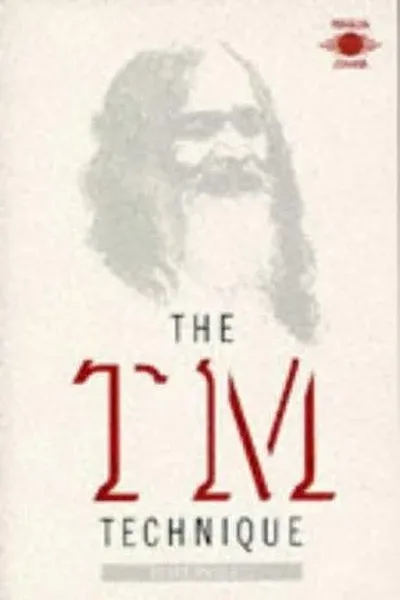
The TM Technique

 73
73

The TM Technique
Peter Russell’s The TM Technique, appearing in 1976, offers a surprisingly direct account of a practice that often gets shrouded in mystique. Russell’s strength lies in his clear, almost clinical, explanation of the mechanics of Transcendental Meditation. He presents the technique not as a mystical attainment but as a physiological process, accessible through specific instructions. One particularly effective section details the concept of "restful alertness," effectively conveying the unique state TM aims to induce. However, the book’s limitation is its somewhat narrow focus; while it explains *how* to practice TM, it offers less on the broader philosophical or spiritual implications that many practitioners eventually seek. This makes it an excellent primer for the mechanics, but perhaps less satisfying for those exploring deeper meaning. It serves its purpose efficiently, providing a functional blueprint for the technique.
📝 Description
73
Peter Russell's 1976 book, The TM Technique, details Transcendental Meditation.
Published in 1976, The TM Technique by Peter Russell serves as a practical manual for understanding Transcendental Meditation (TM). The book breaks down the specific procedures and core principles behind the TM practice, aiming to make it accessible for mental clarity and relaxation. Russell focuses on the physiological and psychological effects of deep rest and focused awareness, distinguishing his work from purely philosophical or spiritual texts on meditation.
This book is for individuals seeking a structured method to reduce stress and improve cognitive function. It appeals to those interested in the scientific and psychological aspects of meditation, rather than its more esoteric or religious dimensions. Readers who prefer clear, systematic instructions for personal development will find it valuable. It also offers context for the popularization of meditation in the late 20th century.
The TM Technique emerged in 1976 amidst a growing Western interest in Eastern spiritual practices and meditation, spearheaded by figures like Maharishi Mahesh Yogi. This period saw a broader cultural embrace of mind-body wellness and a search for practical tools to manage modern life's pressures. Russell's book contributed to the exploration of contemplative practices outside traditional religious frameworks, emphasizing their psychological and stress-reducing benefits.
💡 Why Read This Book?
• Learn the precise mechanics of the TM technique, understanding the specific instructions for achieving "restful alertness" as detailed in the book's procedural sections, which offers a clear, repeatable method for mental stillness. • Grasp the physiological basis of TM as presented by Russell in the 1976 publication, differentiating it from other meditative practices and highlighting its accessible, non-dogmatic approach to stress reduction. • Understand the global context of meditation's rise in the 1970s, with this book serving as a key text in popularizing a specific technique that aimed for widespread adoption beyond traditional spiritual circles.
⭐ Reader Reviews
Honest opinions from readers who have explored this book.
❓ Frequently Asked Questions
What is the core principle of the TM Technique as described by Peter Russell?
The core principle is effortless transcending, where the mind is allowed to settle naturally to quieter levels of thought. Russell explains this through specific instructions for using a mantra, leading to a state of "restful alertness" rather than concentration.
When was The TM Technique first published and what was the cultural climate?
The book was first published in 1976. This was during a period of increased global interest in Eastern spiritual practices and meditation, particularly in the West, following figures like Maharishi Mahesh Yogi.
Does The TM Technique explain the origin of the mantra system?
While the book focuses on the practical application and effects of the TM technique, it does not extensively detail the origin or specific meaning of the mantras themselves, which are presented as tools for facilitating the process.
What distinguishes Peter Russell's approach in The TM Technique from other meditation books?
Russell's approach emphasizes a systematic, almost scientific, explanation of the technique's mechanics and physiological effects. It aims for clarity and reproducibility, distinguishing it from more philosophical or spiritually-oriented guides.
Is The TM Technique suitable for absolute beginners to meditation?
Yes, the book is designed as a guide to the technique itself. Its clear instructions and focus on practical application make it suitable for individuals new to meditation seeking a structured method.
Can I learn to practice TM solely from Peter Russell's book?
While the book provides detailed instructions, learning TM traditionally involves instruction from a certified teacher. Russell's work serves as a comprehensive explanation and reference for the technique as it was taught.
🔮 Key Themes & Symbolism
Effortless Transcending
The central theme is the process of "effortless transcending," where the mind naturally settles inward without forceful concentration. Russell explains how the specific application of a mantra guides the awareness to quieter states of thought. This is presented not as an arduous discipline, but as a natural unfolding, allowing the mind to reach its own state of profound rest. The technique aims to allow the individual's inherent capacity for deep relaxation to emerge, facilitating mental clarity and rejuvenation.
Restful Alertness
A key concept is the state of "restful alertness." This paradoxical state describes the experience of deep physiological rest occurring simultaneously with a clear, active mind. Unlike sleep, where awareness is lost, or concentration, which requires effort, restful alertness is characterized by profound relaxation coupled with sustained mental clarity. Russell details how the TM technique cultivates this unique state, which is believed to be highly restorative and beneficial for overall well-being.
Systematic Application
The book emphasizes the importance of systematic and correct application of the TM technique. Russell outlines the specific procedural elements, including the role of the mantra and the recommended frequency and duration of practice. This focus on method distinguishes TM from more freeform meditation practices. The work suggests that adherence to the prescribed steps is crucial for accessing the full range of benefits associated with the technique, ensuring consistent results.
Psychological and Physiological Benefits
Russell explores the tangible psychological and physiological outcomes of practicing the TM technique. These include reduced stress, improved focus, enhanced creativity, and greater emotional stability. The book presents these benefits as direct consequences of the deep rest and mental clarity achieved through the practice. The emphasis is on the practical, observable effects that contribute to an improved quality of life and overall well-being.
💬 Memorable Quotes
Direct passages from the work, attributed to the author.
“The mind has a natural tendency to seek out quieter levels of thought.”
— This suggests that the TM technique leverages an innate mental process. Instead of forcing the mind into stillness, it provides a mechanism—the mantra—that facilitates this natural inward movement, allowing the mind to settle effortlessly.
“Regular practice is essential for the technique's full benefits.”
— This emphasizes consistency as a critical factor in realizing the advantages of TM. It implies that sporadic or irregular practice may not yield the same depth of relaxation or clarity as a dedicated routine.
“The technique is simple and can be learned by anyone.”
— This points to the accessibility of TM. Russell positions it as a universal tool, free from complex rituals or prerequisites, making it available to a wide range of individuals regardless of their background.
“The effect of the practice is cumulative.”
— This suggests that the benefits of TM build over time. Each session contributes to a deeper state of restoration and improved mental functioning, leading to progressive enhancements in well-being.
💡 Key Ideas
Editorial paraphrase of the work's core concepts — not direct quotes.
Restful alertness is a state of deep relaxation with the mind still active.
This quote defines the core experience TM aims to cultivate. It highlights the unique balance achieved, where the body is profoundly at ease, yet the mind remains clear and capable, differentiating it from sleep or intense focus.
🌙 Esoteric Significance
Tradition
While Transcendental Meditation, as popularized by Maharishi Mahesh Yogi, presents itself as a secular technique, its roots lie within the Vedic traditions of India, specifically the Upanishadic concept of "transcendence." Peter Russell's work, by detailing the mechanics, positions TM as a practical method for accessing inner states often explored in esoteric traditions. It departs from overt religious dogma, focusing on the universal human capacity for deep rest and awareness, aligning it with the broader Hermetic principle of "As Above, So Below" by connecting inner experience to outer well-being.
Symbolism
The primary symbolic element in TM is the mantra, which acts as a focal point or vehicle for the mind's inward journey. Though often presented as meaningless sounds, in the Vedic tradition, mantras carry specific energetic or vibrational qualities. The concept of "transcending" itself can be seen as symbolic of moving beyond the limitations of the egoic mind and the sensory world to connect with a deeper, more unified consciousness. The "restful alertness" state symbolizes a harmonious integration of mind and body, a balance sought in many contemplative traditions.
Modern Relevance
The principles detailed in The TM Technique continue to influence modern mindfulness and meditation practices. Many contemporary wellness programs and apps draw upon the idea of accessible, repeatable techniques for stress reduction and mental clarity. Thinkers and practitioners in fields like positive psychology and neuroscience, who investigate the brain states associated with meditation, often reference the foundational work done by TM proponents and researchers in the 1970s, including Russell's instructional contributions.
👥 Who Should Read This Book
• Individuals new to meditation seeking a structured, step-by-step guide to a specific, widely practiced technique, who appreciate clear instructions over spiritual discourse. • Professionals and students grappling with high-stress environments who are looking for practical, science-backed methods to improve focus and reduce anxiety, as detailed in the book's physiological explanations. • Those interested in the history of popular psychology and self-improvement movements of the late 20th century, wanting to understand the mechanics behind a significant cultural phenomenon of the 1970s.
📜 Historical Context
Published in 1976, Peter Russell's The TM Technique emerged during the zenith of Transcendental Meditation's global expansion, spearheaded by Maharishi Mahesh Yogi. The mid-1970s saw a surge of interest in Eastern spiritual disciplines and meditation techniques within Western counterculture and beyond, seeking alternatives to conventional stress management. TM, with its promise of effortless application and scientifically studied benefits, became a significant phenomenon. Russell's book arrived as part of this wave, offering a clear, instructional manual that clarified the practice for a broad audience. It contrasted with the more philosophical or religious presentations of meditation prevalent at the time, focusing instead on the mechanics and immediate psychological effects. While figures like Swami Rama were also popularizing yogic techniques, TM's organized structure and marketing distinguished it, and Russell's text served as a practical guide within this burgeoning movement.
📔 Journal Prompts
The concept of "restful alertness" and its potential impact on daily focus.
The role of a specific mantra in facilitating effortless transcending.
How the systematic application of a technique differs from spontaneous meditation.
Reflecting on the cumulative effect of regular mental practices.
Comparing the simplicity of the TM Technique with other complex self-improvement methods.
🗂️ Glossary
Transcendental Meditation (TM)
A specific mantra-based meditation technique designed for effortless application, aiming to induce deep relaxation and mental clarity known as "restful alertness."
Mantra
A sound or phrase used as a focus in meditation. In TM, mantras are typically specific, simple sounds presented to aid the mind in settling inward.
Transcending
The process of moving the mind beyond the surface level of thought to quieter, more settled states of awareness, facilitated by the TM technique.
Restful Alertness
A unique state achieved through TM, characterized by deep physiological rest alongside sustained mental clarity and awareness.
Effortless
Describing the TM technique's approach, which emphasizes allowing the mind to settle naturally rather than forcing concentration or control.
Vedic tradition
Ancient Indian scriptures and philosophical traditions from which concepts like mantra and transcendence originate, forming the theoretical basis for TM.
Physiological Effects
The bodily responses and changes associated with the practice of TM, such as reduced heart rate and respiration, indicative of deep rest.
🔮 Readers Also Liked
Browse all →









More by Peter Russell
All books →


More Free Spiritual Development Books
View all →