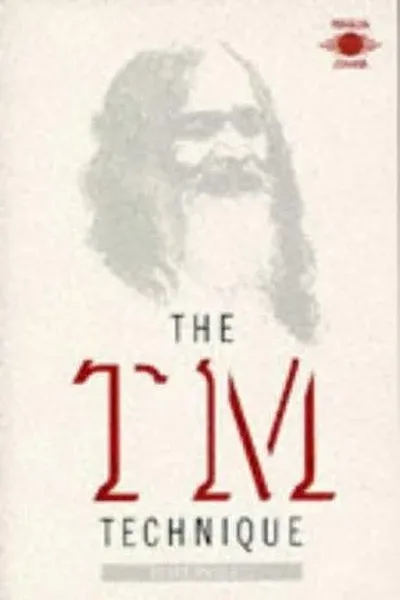
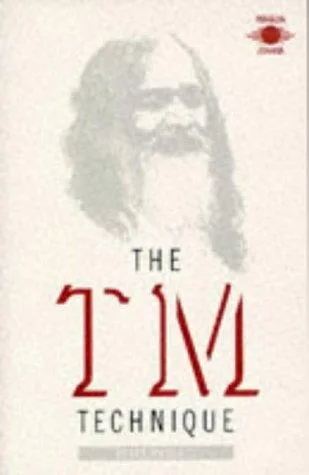
The TM Technique
 82
82

The TM Technique
Peter Russell's "The TM Technique" offers a clear, if somewhat dry, account of a meditation practice that has achieved global recognition. The book's strength lies in its methodical breakdown of the technique, providing a blueprint for practitioners. Russell avoids overly mystical language, which is refreshing, focusing instead on the mechanics. However, this very directness can sometimes feel clinical, lacking the experiential depth that might draw in a reader solely from its prose. A passage detailing the 'effortless transcending' aspect of the mantra's use is particularly illustrative of the book's core message. While the book succeeds in demystifying the practice, it may leave some readers yearning for more exploration of the subjective states TM is intended to cultivate. Ultimately, it serves as a functional guide rather than an inspirational text.
📝 Description
82
Peter Russell's 2018 book, The TM Technique, explains the specific method of mantra meditation.
Published in 2018, Peter Russell's The TM Technique details the structured approach to Transcendental Meditation. The book outlines the mechanics of the mantra-based practice, aiming to help readers achieve mental clarity and reduce stress. Russell explains the core principles and methods for both newcomers and those wanting a deeper grasp of TM. It is written for people interested in practical meditation, especially those seeking a clear, accessible system to manage modern life's pressures. Individuals curious about comparative spirituality or the science of consciousness will also find its methodical presentation valuable.
The Transcendental Meditation technique itself is the primary focus. Russell discusses how mantras are chosen, the importance of practicing without strain, and the aim of attaining a state of 'restful alertness.' The book also considers the reported effects of consistent practice, including decreased anxiety and improved cognitive abilities, viewed within a larger framework of understanding consciousness.
Transcendental Meditation's roots trace back to mid-20th century India, drawing from ancient Vedic traditions. Maharishi Mahesh Yogi introduced this specific form of mantra meditation to the West in the late 1950s. Its popularization in the 1960s, partly through cultural figures, placed it within a broader Western interest in Eastern spiritual practices. Russell's book serves as a modern guide to this established meditative system, explaining its mechanics and reported benefits.
💡 Why Read This Book?
• Learn the precise mechanics of the TM mantra-based meditation as detailed by Peter Russell, understanding the specific approach to selecting and using a mantra for 'restful alertness,' a concept central to the technique since its popularization. • Grasp the historical origins and mid-20th century Western introduction of the TM technique by Maharishi Mahesh Yogi, recognizing its place within the wave of Eastern spiritual practices that gained traction in the 1960s. • Understand the purported psychological and physiological benefits, such as stress reduction, presented within the book, providing a framework for assessing the practice's impact on daily life and cognitive function.
⭐ Reader Reviews
Honest opinions from readers who have explored this book.
❓ Frequently Asked Questions
What is the primary goal of the TM technique as described by Peter Russell?
The primary goal is to achieve a state of 'restful alertness' through effortless transcending, utilizing a specific mantra to quiet the mind and reduce stress, as detailed in the book's foundational principles.
When was Peter Russell's The TM Technique first published?
Peter Russell's The TM Technique was first published on October 10, 2018, presenting a contemporary overview of the meditation method.
Does the book explain how to choose a TM mantra?
Yes, the book outlines the principles behind mantra selection within the TM technique, emphasizing that specific mantras are assigned by certified instructors to ensure proper application.
What historical figures are associated with the popularization of the TM technique?
Maharishi Mahesh Yogi is credited with introducing the TM technique to the West in the late 1950s. The practice also gained significant attention through its association with musicians like The Beatles in the 1960s.
Is The TM Technique suitable for complete beginners to meditation?
The book provides a clear explanation of the technique, making it accessible to beginners. However, actual TM practice requires instruction from a certified teacher, a point the book implicitly supports.
What distinguishes the TM technique from other forms of meditation?
The TM technique is characterized by its specific, effortless use of a mantra and its goal of 'restful alertness,' differentiating it from concentration-based or mindfulness techniques.
🔮 Key Themes & Symbolism
Mantra-Based Meditation
The core of Russell's work revolves around the specific application of mantras within the Transcendental Meditation technique. It details how these sounds, when used according to the TM method, facilitate a unique state of deep rest and mental quietude. The book emphasizes the 'effortless' nature of mantra repetition, distinguishing it from forceful concentration. This approach aims to allow the mind to naturally settle into a state of profound relaxation and inner awareness, moving beyond active thought processes.
Stress Reduction and Well-being
A significant focus is placed on the practical benefits of the TM technique for managing the stresses of contemporary life. Russell explains how the practice can lead to physiological changes, such as reduced heart rate and blood pressure, and psychological benefits like decreased anxiety and improved emotional regulation. The book presents these outcomes not as mystical experiences but as measurable effects of the technique's systematic application on the nervous system.
Consciousness and Self-Awareness
Beyond mere relaxation, The TM Technique explores the potential for the practice to enhance consciousness and foster self-awareness. By quieting the surface level of the mind, practitioners are said to gain access to deeper levels of awareness. This exploration aligns with broader esoteric interests in the nature of consciousness and the potential for human beings to experience expanded states of perception and inner knowing, moving towards a more integrated sense of self.
Historical Dissemination of Vedic Knowledge
The book touches upon the lineage and transmission of the TM technique, rooted in ancient Vedic traditions from India. It implicitly situates Russell's work within the broader context of how these ancient practices have been adapted and introduced to Western audiences since the mid-20th century, particularly through the efforts of figures like Maharishi Mahesh Yogi. This historical perspective highlights the enduring relevance of these teachings across cultures and time.
💬 Memorable Quotes
Direct passages from the work, attributed to the author.
“The TM technique is a simple, natural method for experiencing deep rest.”
— This highlights the core accessibility and effortless quality Russell emphasizes. It suggests that achieving profound relaxation is not arduous but a natural consequence of the specific method employed.
“Mantra is used to allow the mind to settle down.”
— This interpretation focuses on the function of the mantra in the TM process. It's not about forceful control but about providing a gentle anchor that facilitates the mind's natural tendency towards quietude.
“Regular practice leads to reduced stress and increased mental clarity.”
— This states a key outcome of consistent engagement with the TM technique, framing it in terms of tangible benefits for psychological well-being and cognitive function.
“The state achieved is one of 'restful alertness'.”
— This defines the unique experiential quality associated with the TM technique, suggesting a balance between deep relaxation and a clear, present state of awareness.
“TM is distinct from concentration or contemplation.”
— This clarifies that the TM technique operates through a different mechanism than other mental disciplines, emphasizing its natural and effortless character over active mental effort.
🌙 Esoteric Significance
Tradition
The TM technique draws heavily from the Vedic tradition of India, specifically from lineages focused on mantra meditation and the exploration of consciousness. While presented in a secularized manner in modern Western contexts, its roots are in ancient yogic and Vedantic philosophies that explore the nature of the self and the universe. Russell's work fits within this lineage by offering a practical method for accessing deeper states of awareness, aligning with esoteric traditions that emphasize inner transformation through specific practices.
Symbolism
The primary symbolic element is the mantra itself. In Vedic traditions, mantras are not merely words but sacred sounds imbued with spiritual energy, acting as a vehicle for consciousness. The concept of 'Om' or other specific seed sounds (bijas) can be seen as archetypal vibrations. The state of 'restful alertness' can also be interpreted symbolically, representing a balanced integration of mind and body, or the awakening of dormant potentials within the individual, moving beyond dualistic states of consciousness.
Modern Relevance
Contemporary thinkers and practitioners in fields ranging from psychology and neuroscience to mindfulness and self-help often engage with or draw parallels to the TM technique. Its emphasis on stress reduction and cognitive enhancement appeals to current wellness trends. While direct lineage might be debated, its systematic approach to meditation has influenced countless modern meditation apps and programs. Researchers continue to study its effects, and individuals seeking accessible, non-dogmatic spiritual or psychological tools often turn to methods derived from or related to the TM tradition.
👥 Who Should Read This Book
['• Individuals seeking a structured, secular meditation practice: Those who are interested in meditation for stress reduction and mental clarity but prefer a method with clear instructions and minimal spiritual dogma.', '• Students of consciousness studies: Readers who are exploring different techniques and philosophies related to the nature of consciousness and altered states of awareness.', '• Practitioners of Vedic traditions seeking clarification: Those familiar with Indian spiritual practices who wish to understand the specific mechanics and historical dissemination of the TM technique in the West.']
📜 Historical Context
The Transcendental Meditation technique, as explicated in Peter Russell's 2018 work, emerged from a lineage tracing back to ancient Vedic traditions of India. Its widespread introduction to the West began in the late 1950s, spearheaded by Maharishi Mahesh Yogi. By the 1960s, TM had become a significant cultural phenomenon, particularly within the counterculture movement, attracting notable figures such as The Beatles. This period saw a surge of interest in Eastern spirituality, often contrasted with Western religious and philosophical traditions. While TM gained immense popularity, it also faced scrutiny and debate regarding its efficacy and its relationship to organized religion. Russell's book, published decades later, presents a more systematized and less overtly spiritualized account, reflecting a later stage in the technique's integration into mainstream wellness practices.
📔 Journal Prompts
The specific nature of the TM mantra and its role in achieving 'restful alertness'.
The historical context of the TM technique's introduction to the West in the 1960s.
Effortless transcending as a core principle of the TM method.
The difference between TM and other forms of mental concentration.
Assessing the benefits of 'restful alertness' on daily cognitive function.
🗂️ Glossary
Mantra
A sacred sound, word, or phrase used in meditation, particularly in Hindu and Buddhist traditions. In the TM technique, specific mantras are used to help quiet the mind and facilitate a state of deep relaxation.
Transcendental Meditation (TM)
A specific form of mantra meditation introduced by Maharishi Mahesh Yogi, characterized by its effortless technique and aim to promote deep rest and mental clarity.
Restful Alertness
A state of deep relaxation combined with a clear, focused state of mind, considered the primary outcome of practicing the TM technique.
Effortless Transcending
The core principle of TM, suggesting that the mind naturally settles inward towards quieter levels of thought without conscious effort or concentration.
Vedic Tradition
A broad term referring to the ancient religious and philosophical traditions originating in the Vedas, the oldest scriptures of Hinduism.
Bija Mantra
Sanskrit for 'seed mantra,' these are short, potent sounds believed to contain the essence of a deity or cosmic principle, often used in meditation.
Maharishi Mahesh Yogi
The Indian spiritual leader who introduced the Transcendental Meditation technique to the Western world starting in the late 1950s.