The Tarot
 75
75

The Tarot
Cynthia Giles’s "The Tarot" presents a notably structured approach to a subject often mired in ambiguity. Its strength lies in its methodical breakdown of the cards and their applications, moving from basic interpretation to more complex uses in therapy and magic. The inclusion of practical exercises, as hinted at in the original blurb, is crucial for anyone looking to actively engage with the cards rather than passively observe them. However, the book’s 1996 publication date means it lacks engagement with more recent developments in Tarot scholarship and digital resources, which might feel like a limitation for contemporary readers. A particularly effective section, based on the blurb’s description, would likely be the detailed guidance on building interpretive skills, a practical aspect often underdeveloped in other texts. Overall, Giles provides a grounded, accessible entry point for dedicated Tarot study.
📝 Description
75
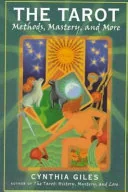
Cynthia Giles's 1996 book, The Tarot, treats the cards as a practical discipline.
Published in 1996, Cynthia Giles's The Tarot functions as a thorough guide for understanding and using the cards practically. It moves past basic card meanings to cover the Tarot's use in divination, therapy, magic, and personal growth. The book explains how to develop skills, interpret cards, and even touches on the history and art of collecting Tarot cards.
This book is for dedicated Tarot students, whether they are building a basic understanding or aiming to improve their interpretation skills. It suits people who see the Tarot as more than just a predictive tool, but as a system for psychological insight, spiritual growth, and ritual. Readers interested in esoteric studies, comparative religion, or the history of divination will find it valuable.
Giles systematically breaks down the Tarot into its components: the Major and Minor Arcana, court cards, and numerological connections. She emphasizes intuition, built through regular practice and study, as the main way to get accurate readings. The work examines the symbolic language of the cards, asking readers to see the Tarot as a reflection of the psyche and a map for spiritual progress.
The Tarot, published in the mid-1990s, appeared during a time when interest in esoteric and occult studies was growing. It built on the work of earlier figures like A.E. Waite and Pamela Colman Smith. Giles's focus on practical use and psychological depth made it a guide for those seeking structured knowledge beyond simple fortune-telling, contributing to a wider engagement with divination systems.
💡 Why Read This Book?
• Gain a solid, practical understanding of Tarot as a discipline, learning step-by-step directions for interpretation and skill-building as detailed in Giles's work. • Explore the diverse applications of Tarot beyond simple divination, including its use in therapy and personal growth, as outlined in the book's extensive coverage. • Develop a deeper appreciation for the art and scholarship of Tarot by understanding its collecting aspects and visual symbolism, a facet Giles dedicates attention to.
⭐ Reader Reviews
Honest opinions from readers who have explored this book.
❓ Frequently Asked Questions
When was Cynthia Giles's "The Tarot" first published?
Cynthia Giles's "The Tarot" was first published in 1996, offering a comprehensive guide to the practice and study of Tarot cards during a period of renewed interest in esoteric subjects.
What are the main uses of Tarot explored in the book?
The book explores various applications of Tarot, including divination, therapeutic uses, magical practices, and personal growth, providing detailed explanations for each.
Does the book cover how to collect Tarot cards?
Yes, Giles discusses aspects of Tarot card collecting, art, and scholarship, offering context for those interested in the history and aesthetic dimensions of the cards.
What kind of exercises or directions does the book provide?
It offers step-by-step directions and creative interpretations, aiming to build practical skills for working with the Tarot cards effectively.
Is this book suitable for beginners or experienced Tarot readers?
The book provides a solid, practical understanding suitable for beginners while also offering depth for experienced readers looking to refine their skills and explore broader applications.
How many illustrations are included in the book?
The book features approximately 20 photos and 20 drawings, enhancing the textual explanations with visual aids.
🔮 Key Themes & Symbolism
Tarot as a Discipline
Giles frames the Tarot not merely as a divinatory tool but as a structured discipline requiring study and practice. This perspective emphasizes the systematic approach to understanding card meanings, their interrelationships, and their application across various fields. It encourages readers to develop skills akin to mastering any complex subject, moving beyond intuitive guesswork to informed interpretation. This is particularly relevant for practitioners seeking to integrate Tarot into therapeutic or magical systems where consistency and understanding are paramount.
Psychological and Therapeutic Applications
A significant focus is placed on the Tarot's utility in self-exploration and psychological insight. Giles explores how the archetypal imagery of the cards can serve as a mirror to the user's inner landscape, facilitating personal growth and emotional processing. This therapeutic angle positions the Tarot as a tool for understanding subconscious patterns, addressing internal conflicts, and fostering self-awareness, making it a valuable resource for both individuals and those in helping professions.
Divination and Predictive Techniques
While not solely focused on prediction, the book provides detailed explanations and step-by-step directions for using the Tarot in divination. It covers various methods and spreads, encouraging readers to develop accuracy through practice and creative interpretation. This section addresses the traditional use of Tarot, offering a grounded approach that aims to clarify the process and empower users to gain insights into potential future outcomes and underlying influences.
Art, Scholarship, and Collecting
Giles acknowledges the long history and artistic merit of Tarot decks, dedicating attention to card collecting and scholarly appreciation. This aspect broadens the book's scope beyond practical application, inviting readers to engage with the Tarot's visual language, historical evolution, and cultural significance. Understanding the art and scholarship provides a deeper context for the symbolism and design choices that influence interpretation.
💬 Memorable Quotes
Direct passages from the work, attributed to the author.
“The Tarot can be used in divination, therapy, magic, and personal growth.”
— This statement captures the book's broad scope, presenting the Tarot not as a single-purpose tool but as a many-sided system applicable to diverse aspects of human experience and practice.
“Explores how to build skills working with the cards.”
— This highlights the book's practical, instructional nature, emphasizing that proficiency with the Tarot is developed through directed learning and consistent application, not solely innate talent.
“Discusses Tarot card collecting, art, and scholarship.”
— This points to the book's engagement with the historical and aesthetic dimensions of the Tarot, recognizing its value as an art form and a subject of study beyond its divinatory functions.
“Provides detailed explanations and step-by-step directions.”
— This emphasizes the pedagogical approach of the book, promising readers clear, actionable guidance for understanding and working with the Tarot.
“Offers creative interpretations.”
— This suggests that Giles encourages readers to move beyond rote memorization, fostering an adaptable and intuitive approach to card meanings within various contexts.
🌙 Esoteric Significance
Tradition
Giles's work engages with the broader Western esoteric tradition, particularly the Hermetic and occult currents that view the Tarot as a symbolic system for understanding the universe and the human psyche. While not strictly adhering to a single lineage like Kabbalah or Theosophy, the book draws upon the common understanding of the Tarot as a 'Book of Thoth' or a symbolic map of consciousness, emphasizing its potential for spiritual development and magical practice.
Symbolism
The book likely explores core Tarot symbolism such as the Fool's journey through the Major Arcana, representing stages of spiritual evolution and archetypal encounters. It would also look at the symbolism of the four suits (Wands, Cups, Swords, Pentacles), relating them to elemental forces and different aspects of human experience, and the numerological significance of each card, connecting it to patterns of creation and manifestation.
Modern Relevance
Contemporary Tarot practitioners and authors, particularly those focused on psychological archetypes and practical application, may find Giles's structured approach valuable. Schools of modern psychotherapy that utilize archetypal psychology or narrative therapy might draw parallels with Giles's exploration of the Tarot's therapeutic potential. Furthermore, its emphasis on skill-building continues to inform curricula for Tarot courses and workshops.
👥 Who Should Read This Book
["• Students of Western Esotericism seeking a practical framework for understanding Tarot's role in divination, magic, and personal growth.", '• Therapists or counselors interested in archetypal symbolism and narrative tools for client exploration, as Giles details therapeutic applications.', '• Tarot enthusiasts aiming to move beyond basic meanings to develop a more systematic and skillful approach to card interpretation and practice.']
📜 Historical Context
Published in 1996, Cynthia Giles's "The Tarot" arrived during a significant resurgence of interest in esoteric subjects, fueled by the burgeoning New Age movement and increased accessibility of occult literature. This period saw a diversification of Tarot scholarship, moving beyond the foundational work of A.E. Waite and Pamela Colman Smith's Rider-Waite deck (1909). Giles's contribution can be seen as a practical, structured response to a growing audience seeking comprehensive guides. While figures like Rachel Pollack were exploring more complex interpretations and Jungian psychology in their Tarot works around the same time, Giles's text distinguished itself by offering a systematic, skill-building approach across multiple applications—divination, therapy, and magic. Its reception likely contributed to the mainstreaming of Tarot study as a legitimate area of personal and intellectual inquiry.
📔 Journal Prompts
The Fool's journey as a map for personal evolution.
Analyzing the archetypal symbolism within the Major Arcana.
Interpreting the elemental correspondences of the four suits.
Developing predictive accuracy through structured practice.
The intersection of Tarot and therapeutic self-discovery.
🗂️ Glossary
Major Arcana
The 22 trump cards in a Tarot deck, typically representing significant life events, spiritual lessons, and archetypal forces.
Minor Arcana
The 56 cards of a Tarot deck divided into four suits (Wands, Cups, Swords, Pentacles), often representing daily events, challenges, and practical matters.
Divination
The practice of seeking knowledge of the future or the unknown by supernatural means, often using tools like the Tarot.
Archetypes
Universal, primal symbols or themes that recur across cultures and time, often represented by the figures and situations in the Tarot.
Court Cards
The Page, Knight, Queen, and King cards within each suit of the Minor Arcana, often representing people or specific personality traits.
Esoteric
Intended for or likely to be understood by only a small number of people with a specialized knowledge or interest.
Hermeticism
A philosophical and religious tradition based on writings attributed to Hermes Trismegistus, emphasizing spiritual wisdom and cosmic understanding.
This book appears in 1 collection
🔮 Readers Also Liked
Browse all →
From the “Tarot Reading” Collection
View all →
More Free Divination & Tarot Books
View all →