The tarot café
 81
81

The tarot café
Sang-sŏn Pak's The Tarot Café presents a series of encounters at a peculiar establishment, where the proprietor seems to offer more than just coffee. The strength of this collection lies in its atmospheric vignettes, each a self-contained exploration of personal crossroads. Pak excels at building a sense of quiet dread and melancholic introspection, drawing parallels between the patrons' mundane anxieties and the profound implications of fate. One particularly memorable passage involves a character contemplating a seemingly simple choice that unravels into a complex web of future consequences. However, the book's episodic nature can sometimes feel disjointed, and the overarching narrative thread remains elusive, leaving the reader yearning for a more cohesive thematic resolution. Despite this, The Tarot Café offers a compelling, if somber, meditation on the choices that define us.
📝 Description
81
Sang-sŏn Pak's The Tarot Café, published in 2007, gathers interconnected stories centered on a mysterious cafe.
The Tarot Café is a collection of short stories, originally published in South Korea in 2007. The book focuses on a peculiar cafe that serves as a meeting point for people dealing with fate, destiny, and the outcomes of their decisions. These encounters often have a supernatural or symbolic dimension. The narrative shifts between different patrons, each facing personal challenges and interacting with the cafe's enigmatic owner. These vignettes explore individual dilemmas and the weight of choices made.
The stories are suited for readers who enjoy allegorical narratives and symbolic tales, particularly those interested in the interplay of fate and free will. It appeals to those who like character-focused stories that question existence and psychological states through a subtle magical lens. Readers who prefer clear plot resolutions might find its open endings less satisfying, but those who appreciate contemplation and metaphor will find ample material for thought.
Published in 2007, The Tarot Café draws on themes of fate and choice within a symbolic setting, echoing elements found in modern esoteric literature. While not directly engaging with Western occultism, its South Korean origin places it within a storytelling tradition that often incorporates folklore and spiritual undertones. The cafe functions as a threshold where characters confront their inner selves and potential paths, using symbolic language, akin to the tarot, to frame personal struggles as universal.
💡 Why Read This Book?
• Gain insight into how symbolic settings can mirror internal struggles, as demonstrated by the titular café acting as a focal point for patrons' destinies. • Understand the narrative technique of using archetypal characters and situations to explore universal themes of choice and consequence, a hallmark of the collection's short story format. • Experience a unique blend of magical realism and existential reflection, distinct from Western esoteric narratives, as seen in the subtle supernatural elements surrounding the café's owner.
⭐ Reader Reviews
Honest opinions from readers who have explored this book.
❓ Frequently Asked Questions
What is the original publication year of The Tarot Café?
The Tarot Café was first published in South Korea in 2007. The original Korean title is 타로 카페.
Who is the author of The Tarot Café?
The author is Sang-sŏn Pak. The work first gained recognition in its original Korean publication.
What genre does The Tarot Café belong to?
The Tarot Café is best described as a collection of allegorical short stories, often incorporating elements of magical realism and existential contemplation.
What is the central theme explored in The Tarot Café?
The central theme revolves around fate, choice, and their intricate relationship, with characters confronting the consequences of their decisions in a symbolic setting.
Does The Tarot Café feature traditional tarot readings?
While the title suggests a direct connection, the book uses the *concept* of tarot and fate more metaphorically than as a guide to literal divination practices.
Where is The Tarot Café set?
The primary setting is a mysterious café, which serves as a liminal space where patrons encounter their personal dilemmas and reflections on destiny.
🔮 Key Themes & Symbolism
The Weight of Choice
The stories in The Tarot Café consistently explore the burden and consequence of decisions, both large and small. Characters often find themselves at a crossroads, where the path taken, or not taken, irrevocably shapes their future. The café serves as a stage for these internal battles, highlighting how even seemingly minor choices can cascade into significant life alterations, prompting readers to consider the gravity of their own agency.
Symbolic Liminal Spaces
The titular café functions as a potent symbol of transition and introspection. It is a place outside the normal flow of time and space, where individuals are compelled to confront their inner truths and the nature of their destiny. This concept of a threshold space, where reality bends and the subconscious is brought to the fore, is a recurring motif that enhances the allegorical nature of the narratives.
Fate vs. Free Will
A central tension within The Tarot Café is the interplay between predetermined fate and individual free will. While characters grapple with what seems to be an inescapable destiny, their actions and reactions within the narrative demonstrate the power of choice. The book doesn't offer easy answers but rather presents a nuanced exploration of how these two forces co-exist and influence human experience.
Archetypal Encounters
The patrons and the mysterious owner of the café often embody archetypal figures. This allows the stories to transcend individual circumstances and speak to broader human experiences and psychological patterns. By encountering these archetypes, readers can gain a deeper understanding of common struggles and the universal quest for meaning and self-discovery.
💬 Memorable Quotes
Direct passages from the work, attributed to the author.
“Sometimes, the greatest clarity comes not from knowing the future, but from accepting the present moment.”
— This interpretation suggests a central message of the book: the importance of present awareness and acceptance, even when faced with uncertainty about what lies ahead.
💡 Key Ideas
Editorial paraphrase of the work's core concepts — not direct quotes.
The café owner seemed to understand the unspoken anxieties that brought each patron through the door.
This quote highlights the proprietor's uncanny ability to perceive the deep-seated issues and hidden desires of the café's visitors, emphasizing the symbolic role the café plays in their personal journeys.
Every path taken is a path abandoned, and the elements of the unchosen future can be deafening.
This paraphrased concept speaks to the profound sense of regret and the lingering possibilities associated with past decisions, a core theme of consequence explored throughout the collection.
The coffee was merely a catalyst for the conversations that truly mattered – the ones we have with ourselves.
This paraphrased idea underscores that the physical setting and its offerings are secondary to the internal dialogues and self-realizations that the characters undergo within the café's unique atmosphere.
In this place, time seemed to bend, allowing for reflections that spanned years in mere moments.
This quote emphasizes the surreal and timeless quality of the café, suggesting it's a space where psychological time operates differently, enabling profound introspection.
🌙 Esoteric Significance
Tradition
The Tarot Café does not align strictly with a single established esoteric tradition like Hermeticism or Kabbalah. Instead, it draws inspiration from the *concept* of tarot as a symbolic language for understanding fate and the human psyche. Its approach is more akin to philosophical allegory and magical realism, utilizing archetypal themes and symbolic settings to explore existential questions rather than presenting a system of occult practice.
Symbolism
The most prominent symbol is the titular café, representing a liminal space where characters confront their destinies and choices. The tarot itself, though not explicitly used for readings, functions as an overarching symbolic framework, suggesting archetypal patterns and the interconnectedness of events. Other subtle symbols often relate to everyday objects or occurrences imbued with deeper significance, reflecting the book's exploration of the extraordinary within the ordinary.
Modern Relevance
Contemporary practitioners of narrative magic, storytellers exploring psychological archetypes, and writers interested in magical realism often find resonance in Pak's work. Its nuanced portrayal of fate and choice speaks to modern anxieties about agency in a complex world. Thinkers exploring the intersection of narrative psychology and existential philosophy might also draw parallels to the book's allegorical approach to personal transformation.
👥 Who Should Read This Book
• Readers interested in allegorical storytelling and magical realism who seek narratives that explore existential themes through symbolic settings. • Individuals curious about how concepts like fate and choice are represented in non-Western literary traditions, offering a different perspective from traditional Western esoteric texts. • Aspiring writers and critics looking to analyze the use of archetypal characters and liminal spaces in contemporary fiction to explore psychological depth.
📜 Historical Context
Sang-sŏn Pak's The Tarot Café, originally published in 2007, emerged during a period of burgeoning global interest in narrative forms that blended the mundane with the magical. While South Korea has a rich tradition of folklore and spiritual narratives, this work can be seen as engaging with the broader literary trend of magical realism, which gained significant traction following authors like Gabriel García Márquez. Unlike purely Western occult traditions that often focus on ritual and codified systems, Pak's work uses the *idea* of fate and symbolic encounters, drawing on the evocative power of tarot imagery without necessarily adhering to specific divination practices. The book found its audience among readers seeking introspective, allegorical storytelling, distinct from the more action-oriented fantasy prevalent at the time. Its reception highlighted a growing appetite for nuanced explorations of human psychology through symbolic lenses, a space also occupied by contemporary authors exploring similar themes in different cultural contexts.
📔 Journal Prompts
The café as a threshold: How does the setting's symbolic nature influence the characters' internal journeys?
Reflecting on the elements of unchosen futures: Which past decisions weigh most heavily on your present path?
The proprietor's gaze: What unspoken anxieties does your own 'café owner' seem to perceive?
Accepting the present moment: How can embracing current realities offer clarity amidst future uncertainty?
Archetypes in daily life: Identify an archetype you encounter regularly and its significance.
🗂️ Glossary
Liminal Space
A transitional or in-between place, often symbolic, where characters confront significant personal changes or revelations, separate from their ordinary reality.
Allegory
A story, poem, or picture that can be interpreted to reveal a hidden meaning, typically a moral or political one, using symbolic figures and actions.
Magical Realism
A literary genre where magical elements are presented in an otherwise realistic setting, treated as mundane by the characters.
Archetype
A recurring symbol, character type, or motif in literature and mythology that represents universal patterns of human nature and experience.
Fate
The development of events beyond a person's control, regarded as determined by a supernatural power.
Free Will
The power of acting without the constraint of necessity or fate; the ability to act at one's own discretion.
Existentialism
A philosophical approach that emphasizes individual existence, freedom, and choice, often exploring themes of meaning, dread, and absurdity.
🔮 Readers Also Liked
Browse all →

More by Sang-sŏn Pak
All books →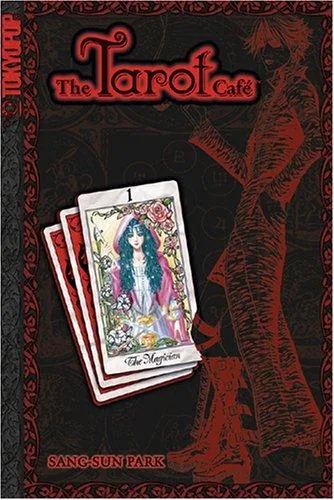
More Free Occult Philosophy Books
View all →