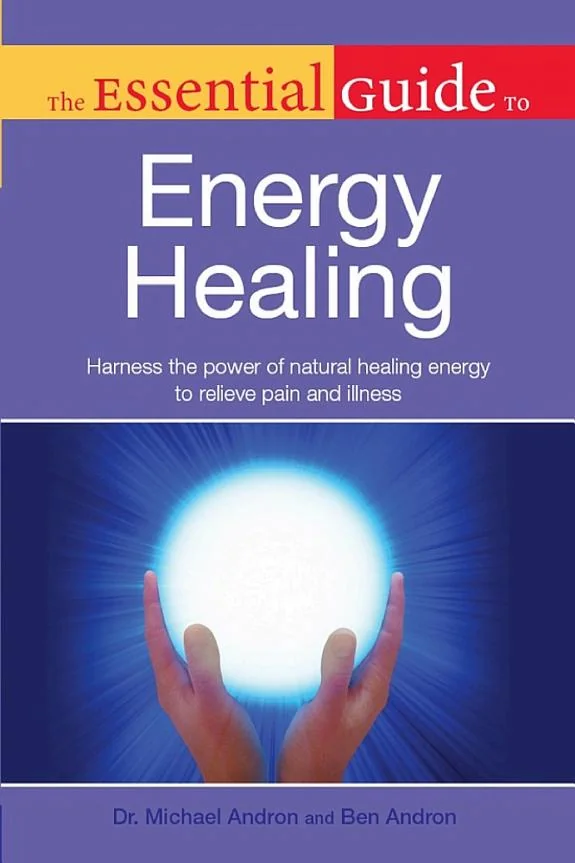
The Essential Guide to Energy Healing
 76
76

The Essential Guide to Energy Healing
Ben Andron and Dr. Michael Andron's *The Essential Guide to Energy Healing* arrives at a juncture where conventional biomedicine is increasingly questioned by those seeking gentler, more comprehensive wellness strategies. The authors' strength lies in their clear articulation of complex energetic concepts, demystifying practices that might otherwise seem arcane. They effectively bridge the gap between esoteric theory and tangible application, presenting body and earth energies as accessible tools for alleviating discomfort. A particular passage discussing the energetic imprint of environmental stressors on the human biofield offers a sharp, specific example of their approach. However, the work occasionally leans towards an overly broad categorization of 'energy healing' without always deeply differentiating the specific lineages or theoretical underpinnings of each modality discussed. Despite this, the guide provides a solid foundation for understanding the principles of energetic intervention. It serves as a valuable primer for the uninitiated, offering practical frameworks for self-care and a broader perspective on health.
📝 Description
76
Ben and Michael Andron's 2012 guide illuminates subtle energies for personal well-being.
The Essential Guide to Energy Healing offers practical applications for using bodily and terrestrial energies to ease suffering and promote recovery. It acknowledges that discomfort and illness can arise from both obvious causes and deeper psychological issues. The book helps readers assess different healing techniques, distinguishing between various methods and their potential effects. This guide is for individuals looking for alternative or complementary approaches to physical and emotional problems. It appeals to those interested in natural therapies and holistic wellness, especially if conventional medicine has not fully addressed their needs. The book also caters to practitioners of healing arts and anyone curious about the connection between mind, body, and environment in the healing process. People experiencing chronic discomfort or seeking to understand the energetic aspects of their health will find it informative.
The work appeared in the early 21st century, a time when public interest in natural and holistic health practices grew significantly. This period saw a renewed focus on ancient healing traditions and esoteric philosophies, driven by a desire for more personalized and less invasive care. The book's 2012 publication reflects a wider societal movement toward practices that address the whole person—mind, body, and spirit. It recognizes that illness can stem from interconnected energetic imbalances, a concept examined in various spiritual traditions.
Published in 2012, this guide emerged during a period of heightened public engagement with alternative health and spiritual development. It sits within a tradition that views physical and emotional well-being as intrinsically linked to subtle energetic forces, often drawing parallels with ancient healing systems. The book reflects a contemporary synthesis of these ideas, aiming to make concepts traditionally found in esoteric philosophy accessible for personal application. It addresses the energetic underpinnings of dis-ease, a common theme in many spiritual and mystical traditions that posit a universal life force or energy field influencing health.
💡 Why Read This Book?
• Gain a foundational understanding of how subtle energies, as discussed in the 2012 publication, can be harnessed for physical and emotional relief, moving beyond symptom management to address root causes. • Learn specific techniques for working with body and earth energies, inspired by concepts like chakras and meridians detailed within the text, to cultivate personal well-being. • Develop critical judgment for evaluating various holistic therapies by understanding the principles of energetic interaction presented in the book, enabling informed choices about your health.
⭐ Reader Reviews
Honest opinions from readers who have explored this book.
❓ Frequently Asked Questions
When was 'The Essential Guide to Energy Healing' first published?
The Essential Guide to Energy Healing was first published on August 7, 2012, reflecting a growing interest in holistic and natural therapies during the early 21st century.
Who are the authors of 'The Essential Guide to Energy Healing'?
The book is authored by Ben Andron and Dr. Michael Andron, who collaborated to present a comprehensive guide to energy healing practices.
What kind of health issues does 'The Essential Guide to Energy Healing' address?
The guide addresses a wide spectrum of health issues, including disease, discomfort, and pain, whether stemming from identifiable sources or rooted in psychological trauma.
Does the book focus only on personal energy, or does it include external energy sources?
It illuminates the various uses of both body energy and earth energy, demonstrating how external terrestrial energies can be utilized to mitigate disease and suffering.
Is this book suitable for beginners in energy healing?
Yes, it is designed to help readers understand and judge for themselves the uses of body and earth energy, making it accessible for those new to the subject.
What is the primary goal of energy healing as presented in the book?
The primary goal is to offer natural, holistic therapies to supplement or replace traditional medicine, ease pain, and heal the underlying sources of suffering.
🔮 Key Themes & Symbolism
Body and Earth Energies
The work fundamentally explores the concept that human health is intrinsically linked to energetic forces, both internal and external. It details how the body possesses its own subtle energy field, often conceptualized through systems like chakras and meridians, which can become imbalanced. Simultaneously, it emphasizes the profound influence of terrestrial energies—often associated with the natural environment, ley lines, or geomantic forces—on our well-being. The guide teaches readers to recognize and harmonize these energies for therapeutic outcomes, presenting them not as abstract mystical notions but as tangible forces that can be understood and directed for healing.
Holistic Approach to Suffering
This guide champions a holistic perspective, positing that disease, discomfort, and pain are often interconnected manifestations of deeper energetic or psychological disruptions. It moves beyond a purely symptomatic treatment model, advocating for therapies that address the whole person—mind, body, and spirit. The book highlights how psychological trauma, for instance, can create energetic blockages that manifest as physical ailments. By focusing on natural and complementary therapies, it offers a pathway for individuals to address the root causes of their suffering, rather than just the immediate symptoms, aligning with perennial philosophies of interconnectedness.
Empowerment Through Knowledge
A central tenet of The Essential Guide to Energy Healing is the empowerment of the reader through accessible knowledge. The authors aim to equip individuals with the understanding necessary to critically assess and engage with various energy healing modalities. Rather than dictating a single path, the book encourages self-discovery and personal discernment. By informative the principles behind body and earth energy use, it enables readers to make informed decisions about their health and well-being, fostering a sense of agency in their healing journey and explaining practices that are often perceived as exclusive or complex.
Integration of Natural Therapies
The book serves as a compendium for those seeking to integrate natural and holistic therapies into their lives, often as alternatives or complements to conventional medicine. It presents energy healing as a valid and effective approach to health maintenance and restoration. The text implicitly acknowledges the limitations of purely materialistic medical paradigms when faced with complex, psychosomatic, or chronic conditions. By detailing the applications of subtle energies, it provides a framework for understanding how these natural forces can be consciously applied to support the body's innate healing capacity.
💬 Memorable Quotes
Direct passages from the work, attributed to the author.
“Innumerable people are stricken with disease, discomfort, and pain...”
— This opening sentiment immediately frames the book's relevance, highlighting the widespread nature of suffering and the urgent need for accessible healing modalities beyond conventional approaches.
“More and more people are turning to natural, holistic therapies...”
— This observation points to a societal trend, positioning energy healing within a growing movement that seeks gentler, more comprehensive methods for well-being and recovery.
“The Essential Guide to Energy Healing illuminates the various uses of body and earth energy...”
— This succinctly states the book's core purpose: to educate readers on the practical application of both internal vital forces and external environmental energies for therapeutic benefit.
“...helps readers judge for themselves which methods are most suitable for their needs.”
— This emphasizes the book's pedagogical goal: to foster critical thinking and personal discernment, empowering readers to work through the diverse range of energy healing with confidence.
“The work explores the energetic component of psychological trauma.”
— This highlights a key area of focus, suggesting that emotional wounds can manifest physically by disrupting the body's natural energetic flow, a concept central to holistic healing.
🌙 Esoteric Significance
Tradition
This work fits within the broad tradition of vitalism and psychosomatic medicine, drawing implicitly from esoteric lineages that posit the existence of subtle life forces. While not explicitly aligned with a single Hermetic, Gnostic, or Kabbalistic system, it echoes perennial philosophical themes of universal energy and interconnectedness found across these traditions. It departs from strictly ritualistic or dogmatic esoteric practices by focusing on accessible, principle-based applications for contemporary wellness, making its core concepts more broadly applicable than specialized magical or theological systems.
Symbolism
The book frequently references concepts such as chakras, depicted as energy centers within the body, often symbolized as lotuses with varying numbers of petals, each representing different energetic qualities and functions. Meridians, pathways for vital energy (qi or prana), are also key, visualized as a network or river system throughout the body. Earth energies, though less visually symbolized, are presented as a foundational, grounding force, akin to the Earth's magnetic field or telluric currents, essential for maintaining energetic equilibrium.
Modern Relevance
The principles discussed in The Essential Guide to Energy Healing resonate strongly with contemporary practices in energy psychology, mindfulness-based stress reduction (MBSR), and various forms of somatic therapy. Thinkers and practitioners in fields like acupuncture, Reiki, and crystal healing often find the book's explanations of energetic dynamics particularly relevant. Its emphasis on the mind-body connection and the energetic basis of trauma also aligns with current trends in trauma-informed care and holistic mental health approaches.
👥 Who Should Read This Book
• Individuals experiencing chronic physical discomfort or unexplained ailments who are seeking complementary or alternative approaches to understand and alleviate their symptoms. • Practitioners of holistic health modalities, such as massage therapists, acupuncturists, or energy healers, looking to deepen their theoretical understanding of body and earth energies. • Anyone curious about the intersection of mind, body, and environment in health, interested in exploring natural therapies and explaining the concept of subtle energy for personal well-being.
📜 Historical Context
The Essential Guide to Energy Healing was published in 2012, a period characterized by a significant and growing public embrace of holistic health and wellness. This era saw a proliferation of books and practices outside the mainstream medical establishment, partly as a reaction to the perceived limitations of conventional treatments for chronic conditions and partly due to a broader spiritual awakening. The intellectual currents of the time included a renewed interest in ancient healing traditions, mind-body medicine, and the burgeoning field of quantum physics, which some interpreted as supporting subtle energy theories. Contemporaries like Dr. Andrew Weil had already popularized integrative medicine, paving the way for more specialized works. While not facing overt censorship, the field of energy healing often existed in dialogue, and sometimes in tension, with the established medical community, which remained largely skeptical of its efficacy, a dynamic that Dr. Michael Andron, with his medical background, was positioned to navigate.
📔 Journal Prompts
Reflect on the concept of 'body energy' and its potential imbalances as described in the text.
Consider the influence of 'earth energy' on your personal sense of well-being, drawing from the book's explanations.
Analyze how psychological trauma might manifest energetically, according to the guide's perspective.
Evaluate the described techniques for harmonizing subtle energies in your own life.
Explore the distinction between addressing symptoms and healing root causes of suffering, as presented in the book.
🗂️ Glossary
Energy Field
The subtle, non-physical aura or energetic matrix believed to surround and permeate the physical body, influencing health and consciousness.
Chakras
Centers of subtle energy located along the spine, believed in various traditions to govern specific physiological and psychological functions. The book likely discusses their role in health and healing.
Meridians
Channels or pathways through which vital life force energy (such as Qi or Prana) is thought to flow within the body, crucial for maintaining balance and health.
Earth Energy
Energetic forces emanating from the Earth, including geomagnetism, telluric currents, and natural environmental energies, believed to influence human health and vitality.
Holistic Therapies
Approaches to healing that consider the whole person—mind, body, and spirit—rather than focusing solely on isolated symptoms or diseases.
Psychological Trauma
Deep emotional distress resulting from disturbing or distressing events, which can manifest as physical symptoms by disrupting energetic patterns within the body.
Vitalism
The doctrine that living organisms are fundamentally different from non-living entities because they contain some non-physical element, or are animated by distinct 'life forces'.
This book appears in 1 collection
🔮 Readers Also Liked
Browse all →









From the “Pranic Healing” Collection
View all →








More Free Occult Philosophy Books
View all →