The Jung cult
 76
76

The Jung cult
Richard Noll’s “The Jung Cult” offers a bracingly unsentimental look at the aftermath of a major intellectual figure. Rather than simply cataloging Jung’s ideas, Noll dissects the cult of personality that formed around him, a phenomenon that arguably distorted the very analytical psychology he pioneered. The strength of the book lies in its detailed historical tracing of how Jung's concepts, such as the anima/animus or the collective unconscious, became dogma within certain circles, often bypassing the critical, empirical spirit Jung himself championed. A limitation, however, is that at times the focus on the "cult" aspect can overshadow a deeper engagement with the enduring validity of Jung's core psychological insights for individual analysis. Noll’s examination of how Jung’s followers constructed a quasi-religious narrative, particularly concerning Jung’s own self-perception as a visionary figure, is a particularly sharp point. The work serves as a crucial reminder that intellectual movements are susceptible to the same human dynamics as any other social group.
📝 Description
76
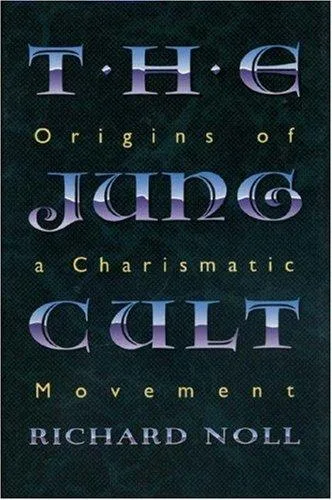
Richard Noll's 1994 book, The Jung Cult, dissects the formation of a pseudo-religious movement around Carl Jung's ideas.
Richard Noll's "The Jung Cult," published in 1994, scrutinizes how Carl Jung's psychological theories were adopted and transformed by his followers. The book details the rise of a distinct "Jungian" movement, one often marked by a near-devotional adherence to Jung's concepts. Noll separates the original psychologist from the doctrines that later formed in his name, examining the emergence of a "Jung cult." This work is for readers interested in the history of psychology, the sociology of knowledge, and the dynamics of intellectual movements. It appeals to those who question how ideas become institutionalized and how influential figures and their disciples can shape intellectual traditions. Scholars of Jungian analysis and those studying cult phenomena will find significant perspectives within its pages.
The late 20th century saw many schools of psychoanalysis and psychotherapy develop. Noll's book appeared when Jungian psychology was a notable, though frequently debated, field, separate from Freudian thought. The book engages with intellectual discussions about psychological theories hardening into dogma, a concern also raised about other emerging spiritual and self-help movements at the time. The central idea Noll uses is "archetypal religion," showing how Jung's language of symbols and the collective unconscious was reinterpreted by followers to construct a new mythology. The work also looks at the "hero cult" that developed around Jung himself and how a "Jungian orthodoxy" sometimes moved away from Jung's own detailed studies of the psyche.
This book examines the tendency for influential psychological systems to acquire quasi-religious characteristics, a phenomenon observed in various esoteric traditions. Noll's analysis of how Carl Jung's ideas became a 'cult' echoes broader patterns where charismatic figures and their symbolic language are reinterpreted by disciples, leading to the creation of new mythologies and doctrines. It situates the development of Jungianism within a history of movements that blend psychological insight with spiritual or philosophical frameworks, questioning the boundaries between analytical psychology and belief systems.
💡 Why Read This Book?
• Gain a critical perspective on how influential psychological theories can become dogma, as Noll details the formation of a "Jungian orthodoxy" after 1961, Jung's death year. • Understand the sociological forces that create "cults of personality" around intellectuals, using the book's analysis of the "hero cult" surrounding Jung. • Learn to distinguish between a thinker's original work and its later interpretations, a key takeaway from Noll's examination of the reception of Jung's concept of the collective unconscious.
⭐ Reader Reviews
Honest opinions from readers who have explored this book.
❓ Frequently Asked Questions
When was "The Jung Cult" first published?
"The Jung Cult" by Richard Noll was first published in 1994, offering a critical historical analysis of the reception and development of Carl Jung's psychological theories.
What is the main argument of "The Jung Cult"?
The book argues that Carl Jung's followers created a cult-like adherence to his theories, sometimes distorting his original ideas into a rigid orthodoxy and a hero cult around Jung himself.
What key Jungian concepts does Noll examine?
Noll examines concepts such as the collective unconscious, archetypes, and the anima/animus, analyzing how they were interpreted and sometimes ossified within the "Jungian" movement.
Who is Carl Jung?
Carl Jung (1875-1961) was a Swiss psychiatrist and psychoanalyst who founded analytical psychology. He was a key figure in the development of modern psychology, known for his theories on archetypes, the collective unconscious, and introversion/extraversion.
What does Noll mean by "archetypal religion"?
Noll uses "archetypal religion" to describe how Jung's symbolic language and ideas about the collective unconscious were transformed by his followers into a form of quasi-religious belief system.
Is this book a biography of Carl Jung?
No, "The Jung Cult" is not a biography. It is a critical historical and sociological analysis of the movement and interpretations that emerged around Jung's work after his death.
🔮 Key Themes & Symbolism
The Jungian Movement as Cult
Noll posits that the adherence to Jung's ideas by some followers developed into a quasi-religious phenomenon. This "Jung cult" is characterized by a dogmatic interpretation of his work, a reverence for Jung himself as a unique visionary, and a tendency to reify his concepts like the collective unconscious into fixed doctrines, rather than as exploratory tools for understanding the psyche. The book traces how this movement solidified after Jung's death in 1961, creating an intellectual lineage susceptible to the dynamics often seen in spiritual cults.
Archetypal Religion and Mythologizing
The work critically examines how Jung's theories on archetypes and the collective unconscious were transmuted into what Noll terms "archetypal religion." This involves the followers' construction of a new mythology and narrative around Jung's life and work, imbuing his psychological concepts with a sacred quality. This process, according to Noll, often led to a departure from Jung's own emphasis on individual psychological exploration and critical inquiry, instead fostering a system of belief.
The Hero Cult and Intellectual Legacy
A central theme is the "hero cult" that emerged around Carl Jung. Noll argues that his followers cultivated an image of Jung as an exceptional genius and prophet, whose pronouncements were to be followed with unwavering faith. This deification, Noll suggests, served to legitimize the emergent orthodoxy and protect it from external criticism, ultimately shaping the historical reception and understanding of Jung's complex psychological contributions by elevating the man above the critical examination of his ideas.
Distinguishing Jung from Jungianism
This theme focuses on the critical task of separating Carl Jung's original, often experimental, psychological investigations from the established doctrines and practices of "Jungianism" that developed after his time. Noll contends that the movement centered on Jung often created a rigid system, "Jungian orthodoxy," which ossified his theories and suppressed the more fluid, questioning spirit of his personal research. The book urges readers to engage with Jung's writings directly while being wary of later interpretations that may have become dogmatic.
💬 Memorable Quotes
Direct passages from the work, attributed to the author.
“The Jung cult was a religion of the future, but it was based on the hero cult of the past.”
— This statement captures Noll's thesis: the movement inspired by Jung's theories paradoxically looked backward to venerate its founder (hero cult) while claiming to offer a path to future psychological and spiritual evolution (religion of the future).
“The collective unconscious became a dogma rather than a hypothesis.”
— This interpretation reflects Noll's critique of how a core Jungian concept was treated. What Jung presented as an exploratory idea for the psyche's shared structures was, in the hands of some followers, transformed into an unassailable truth.
“Carl Jung himself may not have intended his work to become an orthodoxy.”
— This interpretation suggests Noll's view that the rigid system later labeled "Jungianism" might be a departure from Jung's own more nuanced and evolving understanding of analytical psychology.
💡 Key Ideas
Editorial paraphrase of the work's core concepts — not direct quotes.
Jung's followers sought to construct a new mythology from his ideas.
This paraphrased concept highlights how Noll views the development of Jungianism. Instead of purely scientific or therapeutic application, followers engaged in a process of myth-making, elevating Jung's concepts into foundational narratives.
The movement around Jung often prioritized belief over critical inquiry.
This paraphrased concept underscores Noll's observation that a strong sense of adherence and faith characterized the "Jung cult," potentially hindering the kind of critical engagement that Jung himself reportedly valued in intellectual pursuits.
🌙 Esoteric Significance
Tradition
While Jung's work is foundational to analytical psychology, "The Jung Cult" examines its intersection with esoteric traditions by analyzing how his followers reinterpreted his concepts into a system with quasi-religious attributes. This departure from purely psychological discourse into what Noll calls "archetypal religion" aligns with a broader trend in Western esotericism where psychological insights are integrated into spiritual or mythological frameworks, sometimes creating new mythologies.
Symbolism
Noll focuses on how symbols like the collective unconscious and archetypes (e.g., the Shadow, the Anima/Animus) were not merely analytical tools but became elements of a new belief system. The "hero cult" surrounding Jung himself can be seen as a symbolic representation of the deification of the founder, a motif present in various esoteric lineages where the master figure holds a central, almost sacred, position.
Modern Relevance
Contemporary thinkers exploring the sociology of knowledge, the psychology of belief systems, and the critical analysis of spiritual movements continue to draw on Noll's framework. His work is relevant to understanding how modern psychological theories can be adopted and adapted by various communities, including those with esoteric or spiritual leanings, and the ongoing debate about distinguishing academic/therapeutic frameworks from devotional adherence.
👥 Who Should Read This Book
• Students of the history of psychology and intellectual movements seeking to understand the sociology of ideas. • Scholars of Carl Jung and analytical psychology interested in critical perspectives on the post-Jungian era. • Readers fascinated by cult dynamics, the formation of belief systems, and the relationship between charismatic figures and their followers.
📜 Historical Context
Richard Noll’s "The Jung Cult," published in 1994, emerged at a time when post-structuralist critiques and a general skepticism towards grand psychological narratives were gaining traction. Jungian analysis, while established, was often viewed critically alongside Freudian psychoanalysis and newer therapeutic modalities. Noll's work joined a broader academic discourse examining the formation of intellectual movements and the potential for charismatic figures to inspire cult-like followings, a trend also observed in fields like Theosophy or even some New Age spiritualities of the late 20th century. The book’s reception was notable for its direct challenge to the established Jungian community, which often defended Jung's legacy against such critical interpretations. It engaged with the legacy of figures like Joseph Campbell, whose popularization of Jungian themes sometimes mirrored the mythologizing Noll critiques.
📔 Journal Prompts
The concept of "archetypal religion" as applied to Jungianism.
The "hero cult" surrounding Carl Jung and its impact.
Distinguishing Jung’s original ideas from later "Jungian orthodoxy."
How psychological theories can become dogmatic.
The role of myth-making in intellectual movements.
🗂️ Glossary
Jung cult
A term coined by Richard Noll to describe the movement that developed around Carl Jung's followers, characterized by a quasi-religious adherence to his theories and a cult of personality around Jung himself.
Archetypal religion
A concept used by Noll to describe how Jung's theories, particularly those concerning archetypes and the collective unconscious, were reinterpreted by his followers into a system resembling a new mythology or spiritual doctrine.
Collective unconscious
A central concept in Jungian psychology, referring to a universal layer of the unconscious psyche, inherited and shared by all humans, containing archetypes.
Hero cult
The veneration of a charismatic figure, often to the point of deification or unquestioning admiration, as analyzed by Noll in relation to Carl Jung's followers.
Jungian orthodoxy
The established set of doctrines and interpretations of Carl Jung's work that became prevalent among his followers, which Noll argues sometimes ossified his theories.
Anima/Animus
In Jungian psychology, the anima is the unconscious feminine aspect in the male psyche, and the animus is the unconscious masculine aspect in the female psyche.
Analytical psychology
The school of psychology founded by Carl Jung, focusing on the interplay of conscious and unconscious processes, archetypes, and the process of individuation.
🔮 Readers Also Liked
Browse all →







More by Richard Noll, Noll, Richard.
All books →
More Free Occult Philosophy Books
View all →