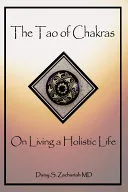
The Tao of Chakras
 79
79

The Tao of Chakras
Daisy S. Zachariah MD’s *The Tao of Chakras* attempts a bold fusion, aiming to marry the ancient chakra system with the hard science of neurobiology and medicine. It’s an ambitious undertaking, and the book succeeds more in its intention than in its execution. Zachariah’s perspective, particularly her assertion that understanding the body-mind connection through these energy centers can alleviate suffering caused by our "broken system," offers a compelling starting point. The strength lies in her clinical experience, which lends a tangible quality to discussions of each chakra, moving beyond mere symbolism. However, the integration feels somewhat superficial at times; the leap from neurobiological concepts to chakra function isn't always clearly articulated, leaving the reader wanting more detailed connections. A particularly interesting section examines the solar plexus chakra, linking its energetic state to gut-brain axis function, a concept Zachariah uses to explain stress responses. While the medical grounding is a significant asset, the esoteric explanations sometimes feel tacked on rather than organically synthesized. It’s a commendable effort to bridge disciplines, but the synthesis could be more robust. Ultimately, *The Tao of Chakras* provides an accessible, albeit occasionally uneven, introduction to integrating esoteric concepts with a medical viewpoint.
📝 Description
79
Published in 2017, *The Tao of Chakras* views the seven primary chakras through neurobiology and clinical experience.
Daisy S. Zachariah MD's *The Tao of Chakras* presents the seven primary chakras as interconnected systems within the human body and mind, rather than purely abstract spiritual centers. The book integrates Eastern philosophical concepts with Western medical understanding, using neurobiology and clinical experience to explain these energetic hubs. Zachariah suggests that societal stressors and conventional medical approaches can create a 'broken system' leading to suffering. The work proposes a path toward greater joy and integrity by illuminating how our internal mechanisms function. This book is for individuals interested in a science-informed perspective on personal well-being and spiritual development. It appeals to those curious about the chakra system but wary of solely metaphysical explanations. Readers valuing interdisciplinary viewpoints, especially where medicine, psychology, and esoteric traditions meet, will find it valuable. It also suits mindfulness, yoga, or energy work practitioners wanting to deepen their theoretical grasp of the energetic body's connection to physical and mental health. Those dealing with stress or seeking self-acceptance may benefit from its practical advice.
The chakra system originates in ancient Indian Tantric traditions, dating back centuries. These traditions describe energy centers along the spine believed to influence physical, mental, and spiritual states. Zachariah's work engages with this lineage, situating the ancient concepts within a modern framework. By examining chakras through the lens of neurobiology and clinical medicine, the book seeks to bridge the gap between empirical science and esoteric knowledge, reflecting a contemporary trend in wellness discourse.
💡 Why Read This Book?
• Gain a medically-informed perspective on the seven chakras, understanding their connection to neurobiology as presented in Zachariah's 2017 work, offering a unique lens beyond traditional spiritual texts. • Learn practical ways to address "human foibles" by understanding the interplay between mind and body, as explored through the lens of each chakra's specific functions. • Discover how the "broken system" of modern life impacts energetic and psychological well-being, fostering acceptance and novel coping strategies rooted in the book's clinical approach.
⭐ Reader Reviews
Honest opinions from readers who have explored this book.
❓ Frequently Asked Questions
What is the core philosophy behind 'The Tao of Chakras'?
The core philosophy integrates ancient chakra concepts with Western medical and neurobiological understanding. It proposes that by comprehending the body-mind connection through the seven chakras, individuals can reduce stress and live with greater joy and integrity, moving beyond the limitations of a "broken system."
How does Daisy S. Zachariah MD connect chakras to medicine?
Dr. Zachariah, an MD, connects chakras to medicine by framing them as physiological and neurological centers that influence physical and mental health. She uses concepts from neurobiology to explain how imbalances in chakras can manifest as stress, suffering, or other ailments, offering a clinically relevant perspective.
Is 'The Tao of Chakras' suitable for beginners?
Yes, the book is designed to be accessible to beginners interested in the chakra system, particularly those who appreciate a scientifically grounded approach. It explains complex ideas in a way that bridges esoteric traditions with understandable medical relevance.
What does the book mean by a 'broken system'?
The "broken system" likely refers to societal structures, modern lifestyles, and perhaps conventional medical approaches that contribute to unnecessary stress, suffering, and a disconnect between mind and body. Zachariah suggests her chakra-based approach offers a healthier alternative.
When was 'The Tao of Chakras' first published?
The book 'The Tao of Chakras' by Daisy S. Zachariah MD was first published on December 5, 2017.
Does the book offer practical advice for managing stress?
Yes, the book offers practical advice by explaining how each of the seven chakras relates to specific aspects of living. Through medical relevance and neurobiology, it provides a framework for understanding and coping with common human struggles and stress.
🔮 Key Themes & Symbolism
Chakras as Mind-Body Systems
The book reframes the traditional seven chakras not as purely spiritual concepts but as integral components of the human psychophysiological system. Zachariah emphasizes their connection to neurobiology and medical health, suggesting that understanding these energy centers offers a practical pathway to well-being. Each chakra is presented as a facet of living, impacting everything from emotional states to physical vitality, thereby clarifying their role in daily life and health.
Integrative Approach to Well-being
Zachariah advocates for an integrative approach to health, bridging the gap between esoteric traditions and scientific understanding. She posits that the "broken system" of modern life leads to stress and suffering, and that by applying principles derived from the chakra system informed by medicine and neurobiology, individuals can achieve greater joy and integrity. This perspective encourages a holistic view where mental, emotional, and physical health are intrinsically linked.
Understanding Human Foibles
A significant theme is the exploration of "human foibles"—common weaknesses and struggles. The book suggests that by understanding the energetic and neurological underpinnings of these traits, as related to the chakras, individuals can develop greater self-acceptance and more effective coping mechanisms. This analytical perspective aims to transform perceived flaws into areas for growth and integration, moving away from judgment towards compassionate understanding.
Medical Relevance of Esoteric Concepts
The work's unique contribution lies in its emphasis on medical relevance. Zachariah leverages her background as a medical doctor (MD) to ground esoteric concepts in biological and neurological realities. This approach seeks to validate the chakra system for a skeptical audience, demonstrating how ancient wisdom can be understood and applied within contemporary scientific frameworks for tangible improvements in health and self-awareness.
💬 Memorable Quotes
Direct passages from the work, attributed to the author.
“Our broken system has led to unnecessary stress and suffering. Life is to be lived with joy and integrity!”
— This statement captures the author's core motivation: to offer an alternative to the pervasive stress and suffering caused by modern societal structures and conventional approaches, advocating for a life of greater happiness and authenticity.
“Each of the seven chakras expands on a different facet of living.”
— This highlights the book's structured approach, presenting the chakras not as isolated spiritual points but as distinct yet interconnected aspects that influence various dimensions of human experience and daily life.
“Through medical relevance and the use of neurobiology, you will understand how the body and mind work.”
— This points to the book's unique methodology, promising readers an understanding of their internal mechanisms by integrating esoteric knowledge with scientific disciplines like medicine and neurobiology.
“With this newfound understanding comes acceptance and novel ways to cope with human foibles.”
— This suggests a key benefit of the book: achieving self-acceptance and developing innovative coping strategies for common human weaknesses by gaining insight into their energetic and biological roots.
“Life is to be lived with joy and integrity!”
— This is a declarative statement of purpose, framing the book's exploration of the chakras as a means to achieve a more fulfilling existence characterized by happiness and ethical consistency.
🌙 Esoteric Significance
Tradition
The book engages with the esoteric lineage stemming from Tantric traditions of India, which conceptualized chakras as centers of energy within the subtle body. Zachariah's work departs from purely devotional or metaphysical interpretations by grounding these concepts in Western medical and neurobiological frameworks. It fits within the modern esoteric movement's tendency to synthesize disparate systems, seeking empirical validation for ancient wisdom, rather than adhering strictly to traditional dogma.
Symbolism
While the book focuses on medical relevance, the symbolism of the seven chakras remains central. The Root Chakra (Muladhara), often symbolized by the color red and the element earth, is discussed in relation to grounding and survival instincts, linking it to basic physiological needs and the limbic system. The Heart Chakra (Anahata), associated with green and air, is explored through its connection to compassion and interpersonal relationships, with potential links to the vagus nerve and emotional regulation.
Modern Relevance
Contemporary thinkers and practitioners in fields like integrative medicine, somatic experiencing, and evidence-based mindfulness draw upon works that bridge esoteric concepts with scientific understanding. Zachariah's approach is relevant to modern wellness movements that seek to clarify energy work and spiritual practices, making them accessible through the language of neurobiology and psychology, appealing to a generation looking for tangible, verifiable benefits in their personal development.
👥 Who Should Read This Book
• Individuals interested in the chakra system but seeking a scientifically-grounded explanation that moves beyond purely metaphysical descriptions, especially those familiar with basic neurobiology. • Healthcare professionals and therapists looking for accessible ways to integrate mind-body concepts into their practice, offering patients a novel perspective on stress and well-being. • Those experiencing chronic stress or seeking to deepen their self-awareness through a holistic lens that connects energetic concepts with tangible physiological and psychological functions.
📜 Historical Context
Published in December 2017, *The Tao of Chakras* emerged during a period when interest in mindfulness, holistic health, and the integration of Eastern spiritual traditions with Western science was rapidly growing. Zachariah's work taps into this contemporary discourse, seeking to validate the ancient chakra system through the lens of modern medicine and neurobiology. This approach contrasts with purely devotional or purely mystical interpretations prevalent in earlier eras of esoteric thought. While the concept of chakras has ancient roots in Indian Tantric traditions, Zachariah's specific application, emphasizing clinical relevance and the gut-brain axis, places her work within the late 2010s wave of "psychedelic Renaissance"-adjacent wellness literature that sought empirical grounding. Her work can be seen as participating in a broader intellectual current that attempts to bridge subjective spiritual experience with objective, observable phenomena, a trend observed in fields ranging from psychology to consciousness studies, influenced by figures like Daniel Siegel who also explored mind-body integration through neuroscience.
📔 Journal Prompts
Reflect on the "broken system" described and its impact on your personal experience of joy and integrity.
Analyze the connection between your physical sensations and the described functions of the solar plexus chakra.
Consider how "human foibles" manifest in your life and how understanding their energetic roots might foster acceptance.
Explore the relationship between the neurobiological explanations and the traditional esoteric understanding of the Heart Chakra.
Identify one facet of living influenced by a specific chakra and how its balance or imbalance affects you.
🗂️ Glossary
Chakras
Energy centers within the subtle body, traditionally conceptualized in Indian spiritual practices. Zachariah's work integrates this concept with Western medicine, viewing them as interconnected systems influencing physical and mental health.
Neurobiology
The scientific study of the nervous system, including its structure, function, development, genetics, biochemistry, physiology, pharmacology, and pathology. Zachariah uses this to explain chakra functions.
Gut-Brain Axis
The biochemical signaling pathway between the gastrointestinal tract and the central nervous system. Zachariah references this to explain stress responses linked to the solar plexus chakra.
Human Foibles
Common weaknesses, imperfections, or characteristic failings of human nature. The book suggests understanding their energetic and neurological basis can lead to acceptance and coping.
Broken System
A term used by the author to describe societal structures, lifestyles, or conventional approaches that contribute to unnecessary stress and suffering, hindering well-being.
Integrity
The quality of being honest and having strong moral principles; moral uprightness. Zachariah proposes living with integrity as a goal achievable through understanding the chakras.
Mind-Body Connection
The reciprocal relationship between the mental processes and the body's physiological functions. This is a central theme, explored through the chakra system and neurobiology.